
Contents Restoration After Fire: Pack-Out, Cleaning Methods, and What Can Be Saved

After a Long Island house fire, the restoration of personal property — furniture, electronics, clothing, documents, heirlooms — is a parallel track to structural restoration that requires specialized cleaning methods, off-site pack-out facilities, and realistic expectations about what can and cannot be restored.
Asbestos in Fire Debris: Why Pre-Demolition Testing Is Non-Negotiable in Pre-1980 Long Island Construction
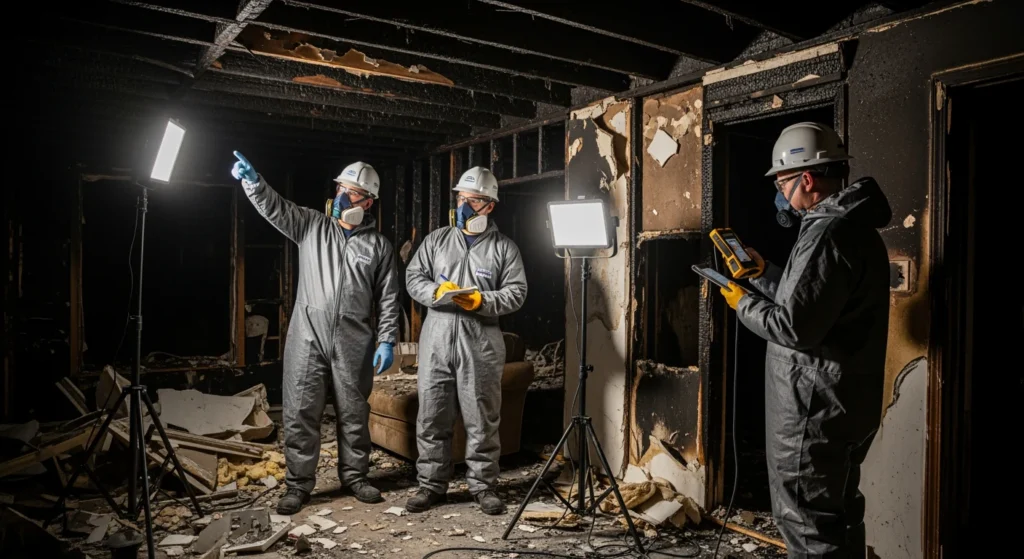
Every structural fire in pre-1980 Long Island construction — which is the majority of the housing stock in Nassau County and western Suffolk — requires asbestos bulk sampling of demolition materials before a single piece of debris can be removed. This is NYS DEC Code Rule 56 compliance, and contractors who skip this step expose Long Island homeowners to regulatory liability and uncapped remediation costs.
Protein Smoke vs. Dry Smoke vs. Wet Smoke: Why Chemistry Determines Cleaning Method
Fire restoration failures — surfaces that look clean but retain odor, soot that reappears weeks after cleaning — almost always result from applying the wrong cleaning chemistry to the wrong smoke type. Long Island fire restoration contractors who treat all smoke the same produce inconsistent results for homeowners whose losses involve non-standard fuel combinations.
Furnace Puffback: The Complete Cleanup Protocol for Oil-Fired Heating Systems
Furnace puffback — the explosive backfire of an oil-fired heating system — is the most common fire-adjacent restoration call Upper Restoration receives in Nassau County’s Cape Cod communities from November through January. This is the complete cleanup protocol and why oil-soot requires different chemistry than structural fire soot.
Mold in HVAC Ductwork: Detection, Remediation, and Long Island Humidity Context
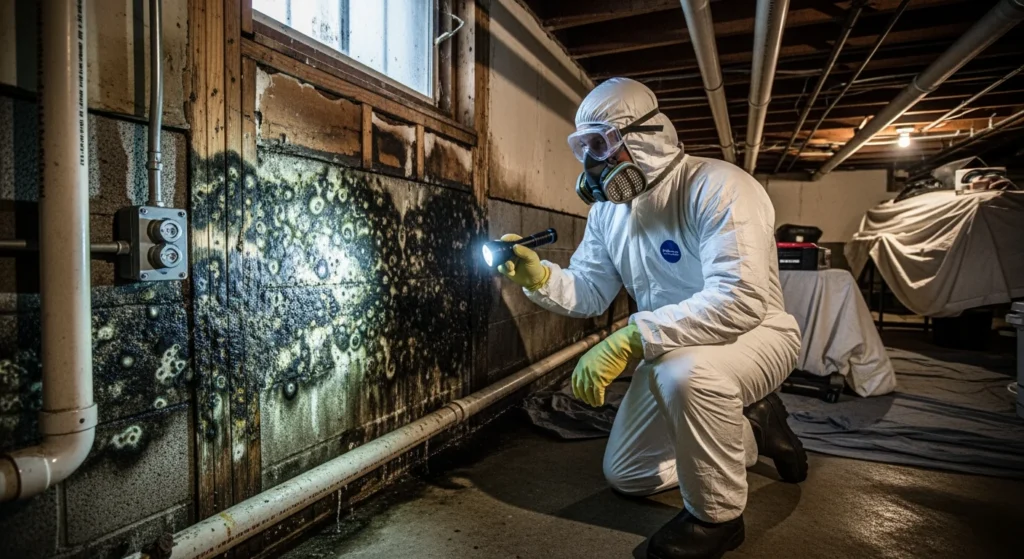
HVAC ductwork mold on Long Island is driven by the island’s 70%+ summer ambient relative humidity and the specific failure mode of improperly insulated supply ducts — when cold supply air flows through ductwork in humid space, condensation forms on the duct exterior and interior mold initiates. This is what detection and remediation looks like in Long Island’s residential systems.
Mold and Property Sales in New York: Disclosure, Remediation, and Closing Timelines
Mold discovery during a Long Island real estate transaction is one of the most time-pressured remediation scenarios — buyers, sellers, attorneys, and inspectors are all operating on contract timelines that may not align with Article 32 assessment and remediation requirements. This is what every party to a Long Island property transaction should know.
Cladosporium vs. Penicillium vs. Aspergillus: Long Island’s Three Most Common Mold Species
Three mold genera account for the overwhelming majority of residential mold found in Long Island homes — Cladosporium, Penicillium, and Aspergillus. Understanding where each thrives, what it looks like, and what its presence indicates about moisture conditions helps Long Island homeowners interpret assessment findings accurately.
Why Mold Returns After Remediation: The Assembly Correction Requirement
Mold remediation without assembly correction is the most common cause of mold recurrence in Long Island homes — the remediator removes the mold but leaves the moisture source intact, guaranteeing regrowth within one to two seasons. This is how to identify whether your remediation includes the correction that prevents recurrence.
Article 32 Work Plans: What a Compliant NYS Mold Remediation Plan Must Include
NYS Article 32 requires that a licensed mold assessor write a formal work plan before any mold remediation project of 10 square feet or more can proceed. This is what that work plan must include, what happens without one, and why Long Island homeowners should never hire a mold remediator who skips this step.
Post-Remediation Verification: What a Passing Mold Clearance Test Looks Like
NYS Article 32 requires post-remediation clearance testing by a licensed mold assessor separate from the remediator. Understanding what passing clearance tests actually require — and what constitutes a failed clearance — protects Long Island homeowners from contractors who sign off their own work.
