Structural restoration after a Long Island house fire addresses the building. Contents restoration addresses everything inside it. These are parallel tracks that must be coordinated but involve different contractors, different technologies, and different decision frameworks. For Long Island homeowners, the contents restoration process — who packs out the items, where they go, how they’re cleaned, and what gets written off as a total loss — is frequently the most emotionally charged dimension of the restoration project. Understanding the process reduces the number of surprises.
The Pack-Out Process
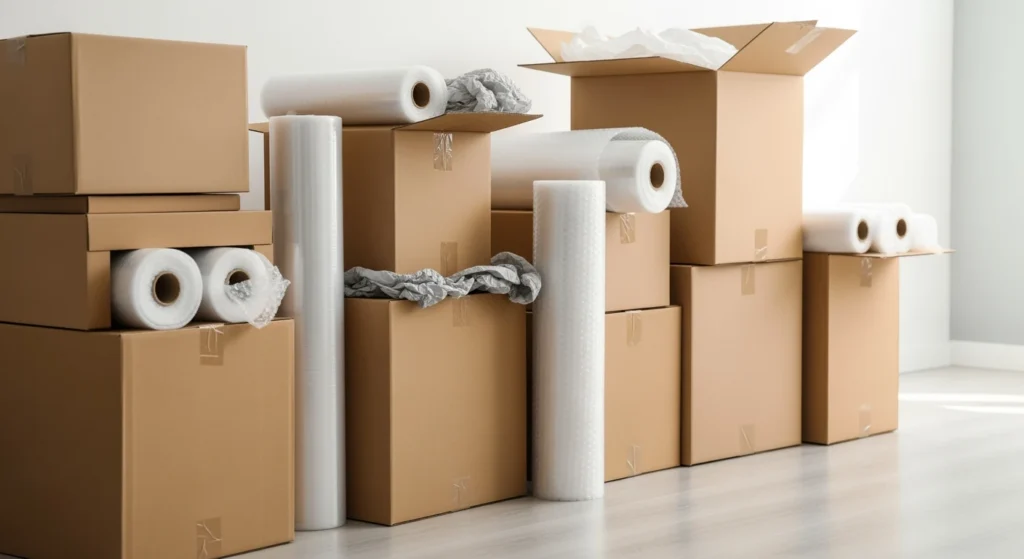
Pack-out begins after the fire scene has been stabilized and documented. Contents restoration specialists inventory every item in the affected areas — typically by room — photographing each item, assigning it a condition code, and cataloging it in contents management software that interfaces with insurance claim platforms. Items in clearly restorable condition are packed for transport to the contents cleaning facility. Items in clearly total-loss condition are documented for the insurance claim and set aside. The most difficult judgment calls are the marginal items — smoke-penetrated upholstered furniture, water-damaged electronics, items with sentimental value — where restoration feasibility depends on testing that cannot be completed at the loss site.
Cleaning Technologies by Item Type
Hard goods (non-porous): Ceramic, glass, metal, and sealed hard surfaces respond well to ultrasonic cleaning — immersion in a tank where ultrasonic waves create microscopic cavitation bubbles that lift soot from surface detail that hand cleaning cannot reach. Jewelry, china, silverware, and metal fixtures are prime candidates for ultrasonic cleaning. Soft goods (fabrics, upholstery): Ozone treatment in sealed chambers removes smoke odor from fabrics without water damage. Items with limited direct soot contact and no structural damage — clothing stored in closed drawers during a smoke-only event — can frequently be restored through specialized laundering and ozone treatment. Electronics: Smoke-affected electronics require professional cleaning with electronics-safe contact cleaners applied internally by technicians qualified to open the device. Smoke residue on circuit boards is conductive and accelerates corrosion — leaving smoke-affected electronics operating without cleaning produces progressive failure over months. Documents and photographs: Original documents and photographs with soot deposits can sometimes be cleaned by conservators using micro-cleaning techniques — this is specialized work beyond standard contents restoration and must be arranged through a conservator referral.
Realistic Expectations
Contents restoration professionals routinely save items that homeowners assume are total losses — and occasionally confirm that items homeowners want restored are genuinely beyond remediation. Upholstered furniture in a heavily sooted room with wet smoke damage (the most penetrating smoke type) is frequently a marginal call that requires test cleaning and odor assessment before a final determination. Items with direct char damage — actual combustion of the material — are total losses regardless of cleaning technology. Items that absorbed protein smoke from a kitchen fire may retain odor despite visible cleaning success, requiring the homeowner to make a practical decision about the item’s usability even when technically restored.
Frequently Asked Questions: Contents Restoration After Fire
What percentage of fire-damaged contents can be restored?
Professional contents restoration firms recover 70–85% of soft goods (clothing, linens, upholstery) and 90%+ of hard goods (electronics, furniture frames, appliances) using ultrasonic cleaning, ozone deodorization, and specialized treatments. Items with heavy char or structural melting are typically the only total losses.
What is a pack-out and why is it necessary after a fire?
A pack-out is the systematic inventory, removal, and transport of salvageable contents from a fire-damaged property to an off-site restoration facility. It’s necessary because on-site soot and smoke residue continue to damage contents the longer they remain in the affected environment, and the restoration workspace requires climate control and specialized equipment.
Does insurance cover contents restoration or just replacement?
Insurance policies cover both restoration and replacement, but carriers generally prefer restoration when it’s less expensive than replacement value. Professional contents restoration typically costs 40–60% of replacement value, which benefits both the policyholder (faster recovery) and the insurer (lower claim payout). Upper Restoration documents all restoration work with Xactimate line items.
How long does contents restoration take after a fire?
Timeline depends on damage severity and volume. A typical residential pack-out takes 1–2 days. Off-site cleaning and restoration takes 2–4 weeks for a standard home. Electronics require additional testing time. Upper Restoration provides detailed inventory tracking so homeowners can monitor the status of every item throughout the process.
See also: Fire Damage Restoration Cost Guide