
Stachybotrys Chartarum (Black Mold) in Long Island Homes: Facts vs. Myths
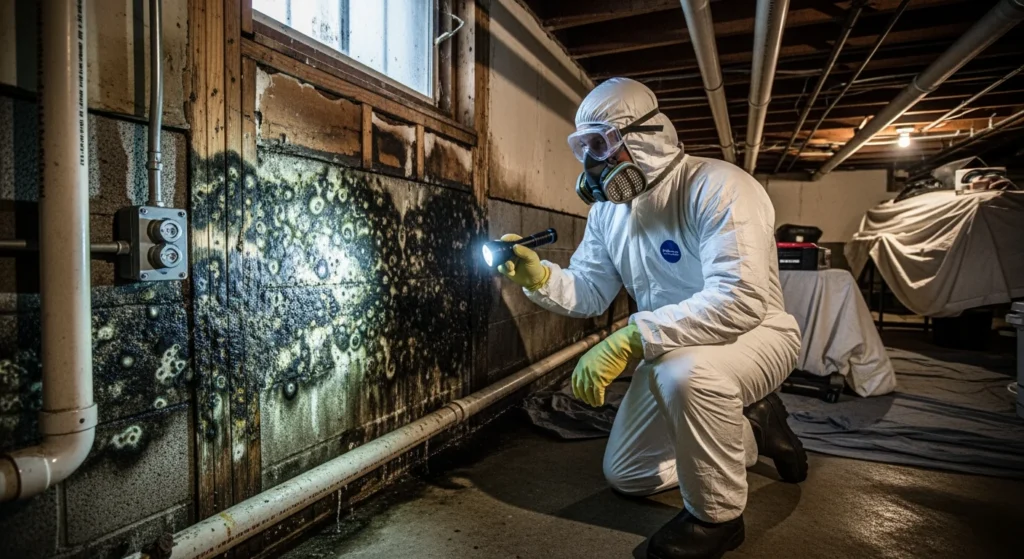
Stachybotrys chartarum — called ‘black mold’ — is the most feared mold species in residential restoration, but it is also the most misunderstood. This is what Long Island homeowners actually need to know about where it grows, what health effects are established by research, and when it is genuinely present versus misidentified.
Long Island Spring Flood Season: The April-May Sump Pump and Basement Prep Guide
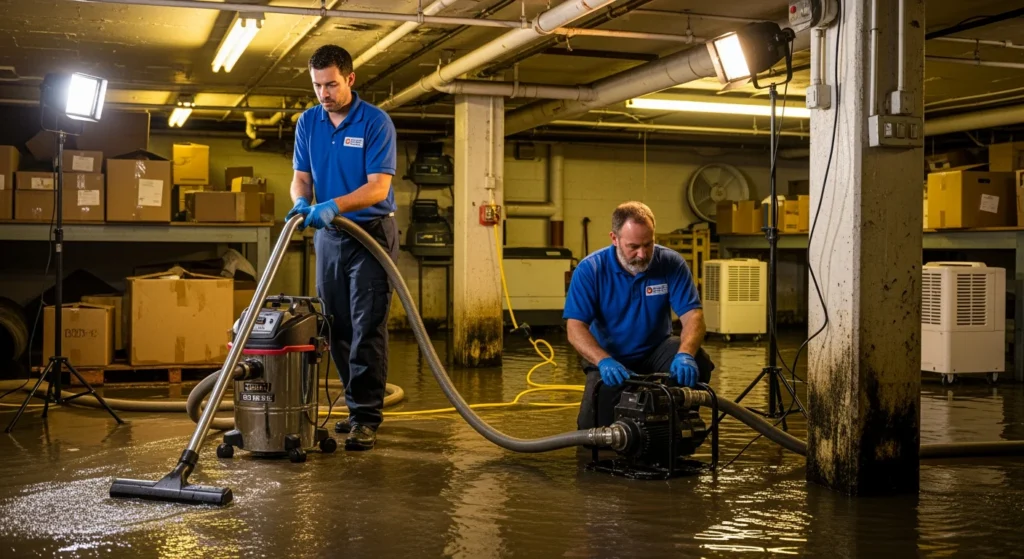
Spring is Long Island’s most active period for basement flooding — snowmelt and April-May rainfall saturate the shallow Nassau County soils while the same systems overwhelm aging sewer laterals in western Suffolk. This is the annual preparation guide every Long Island homeowner needs before April 1.
IICRC S500 Standard: What It Means for Your Long Island Water Damage Claim
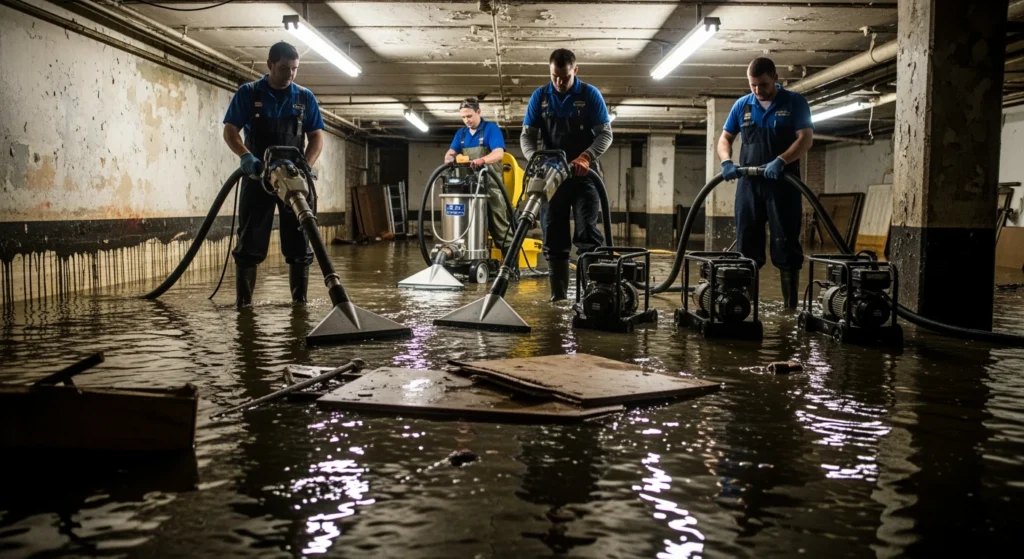
The IICRC S500 is the professional standard that defines how water damage restoration must be performed — understanding its key provisions helps Long Island homeowners verify their contractor’s work and support their insurance claims.
Category 1, 2, and 3 Water Damage: The Long Island Classification Guide
The IICRC S500 Category classification system determines every decision in water damage restoration — what gets demolished, what gets dried, how long it takes, and what your insurance covers. On Long Island, Category 3 is far more common than most homeowners expect.
Fire & Smoke Damage Restoration in Stony Brook, NY
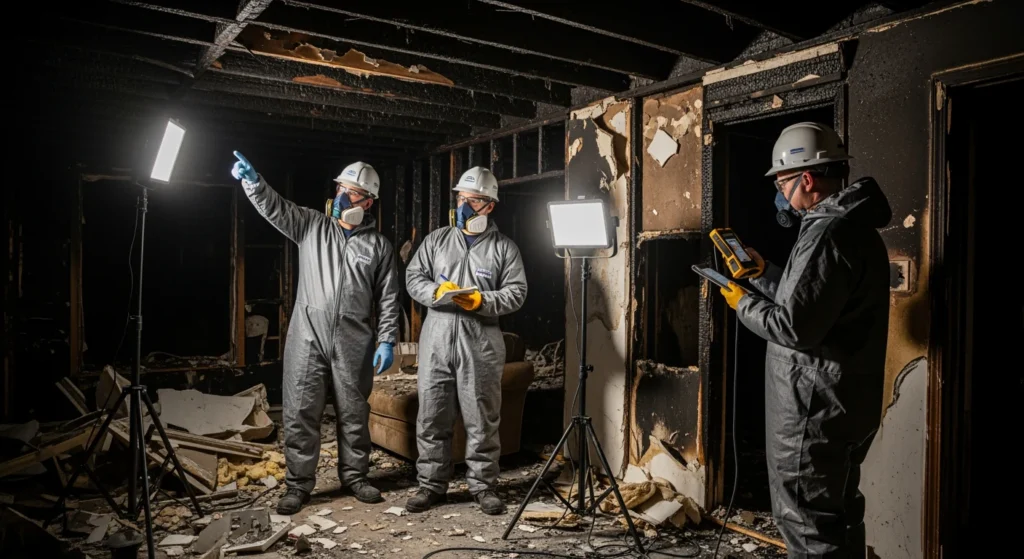
Stony Brook’s fire restoration profile combines standard residential puffback and structural fire response in its surrounding community with the specialized institutional fire restoration needs of Stony Brook University’s research and laboratory facilities — where smoke contamination in research settings requires documented decontamination beyond standard residential protocols.
Mold Remediation in Stony Brook, NY
Stony Brook’s mold profile spans its residential community — standard 1960s-1990s Brookhaven suburban mold in attics and below-grade spaces — and Stony Brook University’s institutional mold concerns, where federal AHERA requirements govern mold assessment in academic buildings alongside NYS Article 32.
Water Damage Restoration in Stony Brook, NY
Stony Brook — home to Stony Brook University and approximately 14,174 residents — sits on the north shore of Brookhaven with Stony Brook Harbor providing Sound tidal exposure, while the university campus creates institutional water damage demand that operates under different response frameworks than standard residential restoration.
Fire & Smoke Damage Restoration in Sayville, NY
Sayville’s Victorian-era residential stock creates Long Island’s most preservation-intensive residential fire restoration environment — smoke penetration into original plaster, damage to irreplaceable historic woodwork, and the multi-regulatory compliance of asbestos protocol alongside historic preservation requirements in the same fire loss.
Mold Remediation in Sayville, NY
Sayville’s Victorian and early 20th-century housing stock carries the historic assembly mold risk common to Long Island’s older shore communities — original plaster-on-lath absorbing moisture slowly, fieldstone and brick foundations without vapor management, and the south shore’s summer ambient humidity driving mold initiation in poorly ventilated below-grade and attic spaces.
Water Damage Restoration in Sayville, NY
Sayville is one of the South Shore’s most historically significant communities — a Victorian and early 20th-century shore town that serves as the ferry gateway to Fire Island’s cherry grove and ocean beach communities — where water damage restoration in the village’s historic housing stock requires approaches adapted to original Victorian-era construction alongside the standard Great South Bay tidal flooding risk.
