
Xactimate Line Items Long Island Contractors Fight For — and How to Support Them
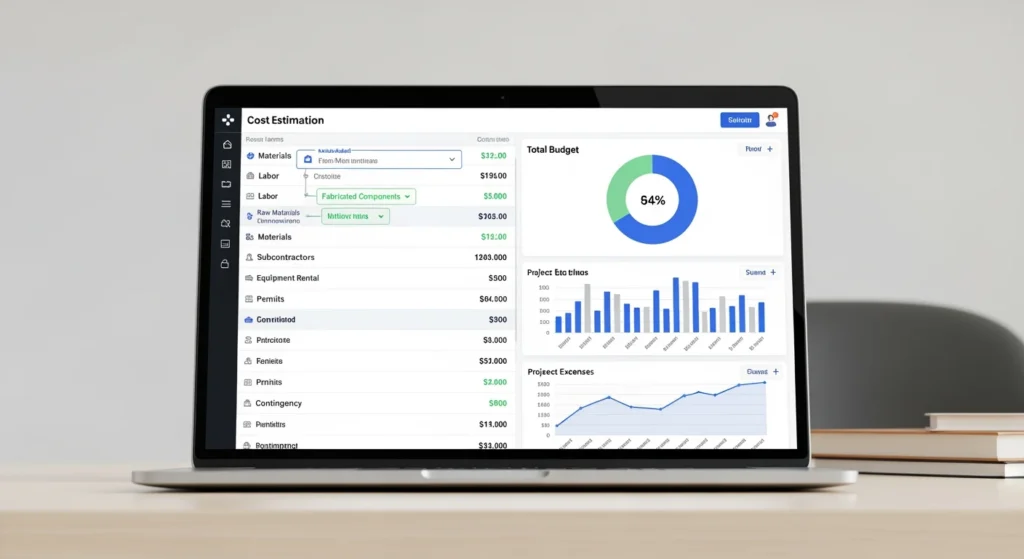
Insurance adjusters routinely challenge specific Xactimate line items in Long Island water damage and fire claims — asbestos assessment add-ons, Category 3 demolition scope, lead-safe work practice surcharges, and LGR dehumidifier deployment are the most commonly disputed. This is what the disputes look like and how Upper Restoration supports each contested item.
Navigating Dual Insurance Claims: When Water Damage Involves Both Homeowners and Flood Policies
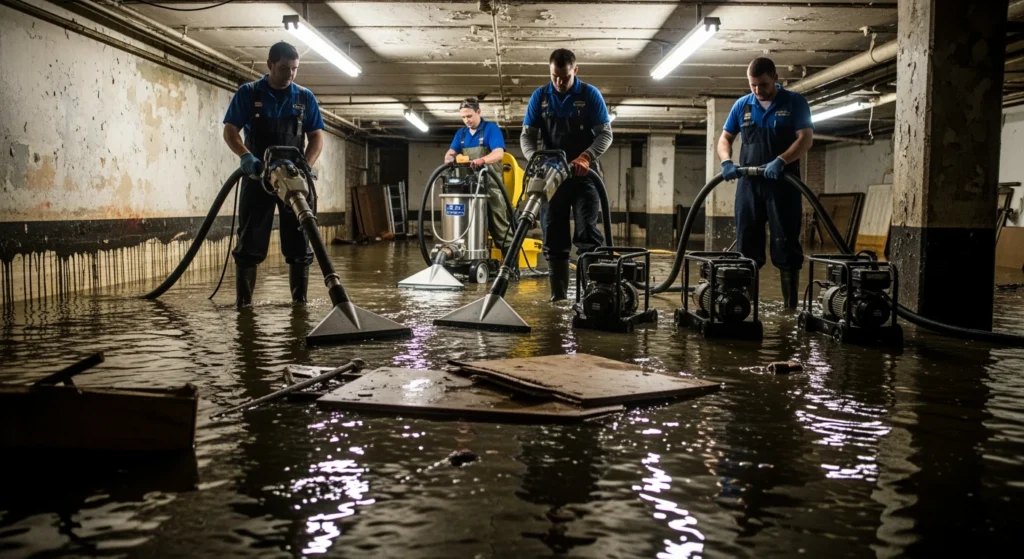
Many Long Island water damage losses involve both a homeowners insurance policy and an NFIP flood insurance policy — and managing two separate claims with two separate adjusters, two separate scope agreements, and two separate payment sequences is one of the most operationally complex scenarios in Long Island restoration.
The Substantial Damage Rule: How 50% Triggers Full FEMA Compliance on Long Island
The Substantial Damage rule is the provision in FEMA’s NFIP regulations that most surprises Long Island homeowners after a major loss — if repair costs exceed 50% of the pre-damage market value, the structure must be brought into full compliance with current floodplain management standards, which may mean elevation to current BFE plus freeboard.
FEMA Risk Rating 2.0 and Long Island Flood Insurance: What Changed and What It Costs
FEMA’s Risk Rating 2.0, implemented in October 2021, fundamentally changed how National Flood Insurance Program premiums are calculated for Long Island’s coastal communities — moving from flood zone maps to individualized property risk assessment. Understanding what changed helps Long Island homeowners navigate their current NFIP costs and coverage decisions.
How Long Island Restoration Claims Work: From First Call to Final Payment
The insurance claim process for a Long Island water damage, fire, or mold restoration project involves your carrier, your adjuster, your restoration contractor, and in complex cases a public adjuster or attorney — understanding how these roles interact and what documentation is required at each stage prevents payment delays and underpaid claims.
Asbestos Tile Mastic: The Hidden ACM Beneath New Flooring in Long Island Homes
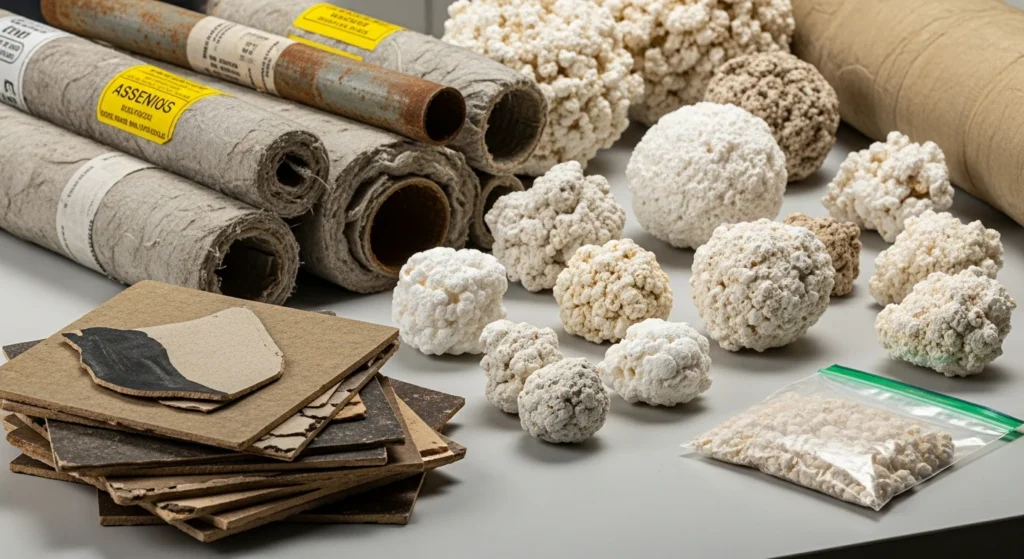
Thousands of Long Island homes have new flooring installed over original 9-inch vinyl asbestos tiles — and the black mastic adhesive beneath those tiles is almost always also asbestos-containing. This hidden ACM layer is the most frequently overlooked asbestos in Long Island residential renovation.
Pre-1960 vs. 1960-1980 Long Island Construction: Different Asbestos Profiles
The asbestos risk profile of a 1952 Cape Cod is materially different from a 1971 split-level — different materials, different concentrations, different abatement approaches. Long Island has both in enormous quantities, and understanding the construction-era-specific asbestos profile helps homeowners and contractors plan renovation and restoration projects accurately.
NYS DEC Code Rule 56: The Compliance Checklist for Long Island Renovation Projects
Code Rule 56 is New York State’s primary asbestos regulation governing renovation and demolition projects — it applies to every renovation project in Long Island buildings built before 1987, regardless of size. This is the complete compliance checklist for Long Island homeowners, contractors, and property managers.
Asbestos in HVAC Systems: When Duct Insulation and Plenum Lining Become Dangerous
Long Island homes built with oil-fired forced-air heating before 1975 frequently contain asbestos-containing duct insulation, plenum board, and air handler components. Understanding where HVAC asbestos is found, when it is dangerous, and what Code Rule 56 requires before any HVAC work helps Long Island homeowners and contractors avoid costly compliance failures.
Thermal Fogging vs. Hydroxyl Generators vs. Ozone: Matching Odor Technology to Smoke Type
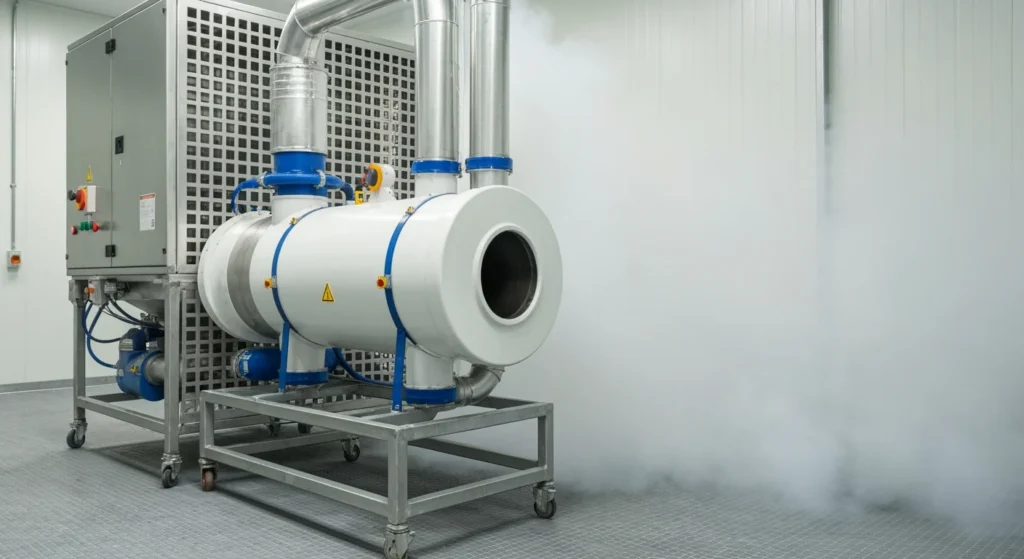
Three primary technologies are used to eliminate smoke odor after Long Island fire events — thermal fogging, hydroxyl generation, and ozone treatment. Each has specific applications, limitations, and situations where it is the correct choice or the wrong choice. Understanding the differences prevents paying for the wrong technology.
