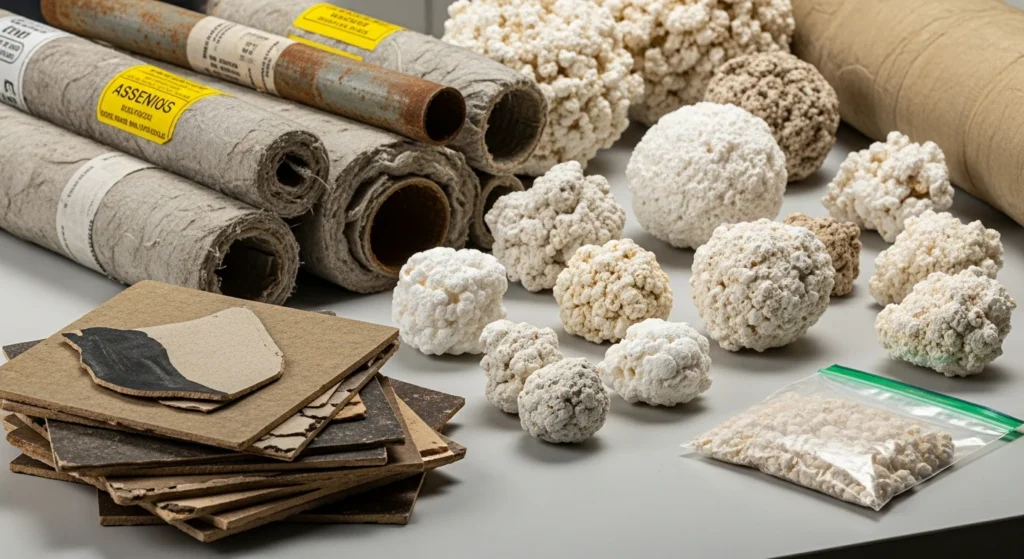
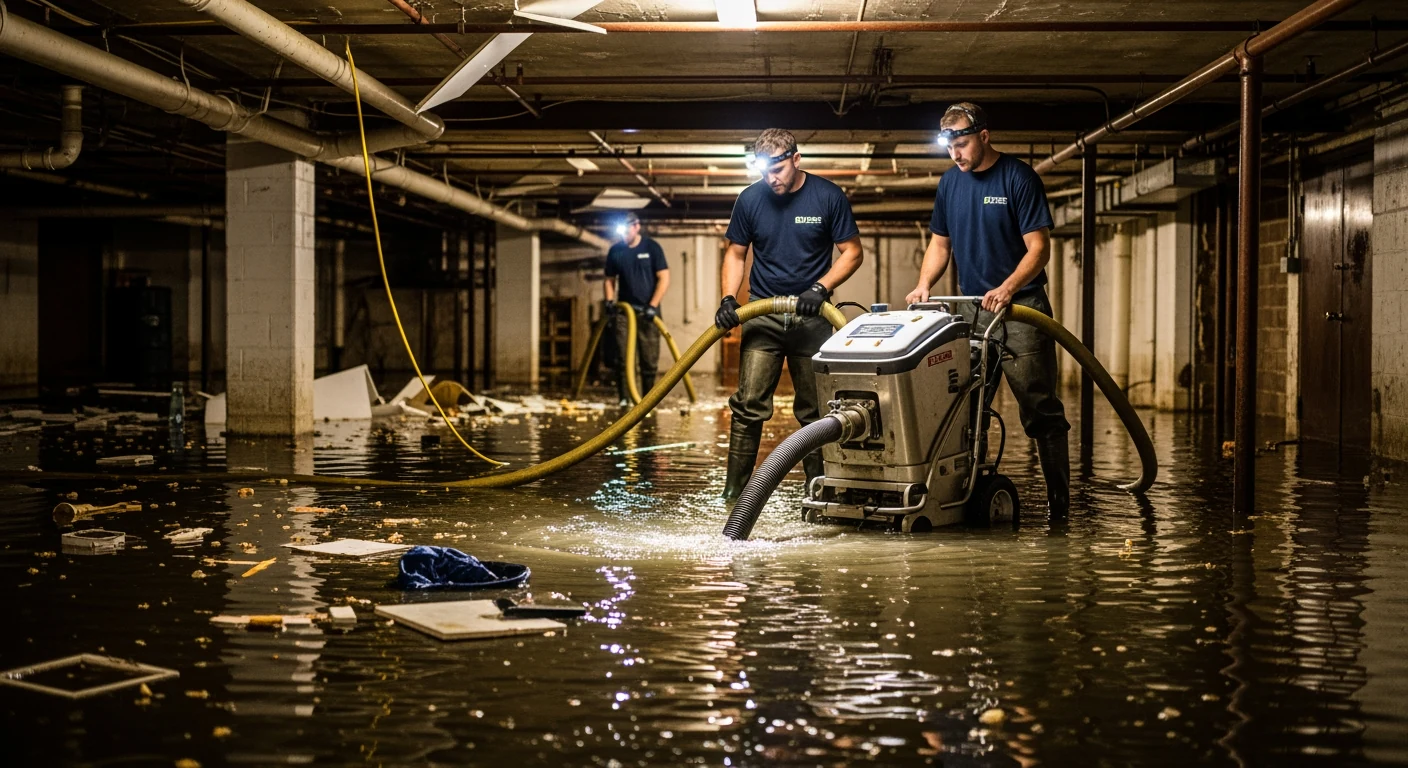
The 9-inch vinyl asbestos floor tile is the most universally present ACM in Long Island’s pre-1980 housing stock — virtually every Cape Cod, Colonial, and split-level built between 1945 and 1980 has or originally had 9-inch VAT in kitchens, bathrooms, utility areas, and finished basement floors. Many Long Island homeowners believe they have no asbestos floor issue because they installed new flooring over the original tiles decades ago. This belief is incorrect in two distinct ways: first, the original tiles are still present under the new flooring and remain regulated ACM; second, the black cutback adhesive (mastic) used to bond the original tiles to the concrete slab is itself asbestos-containing in the majority of pre-1970 applications — and the mastic remains even when tiles are removed.
What Tile Mastic Is and Why It Contains Asbestos
Cutback mastic is the adhesive used to bond vinyl asbestos tiles to concrete subfloors. The “cutback” designation refers to the manufacturing process (asphalt cut back with a solvent to produce the adhesive consistency). Before approximately 1980, cutback mastic formulations routinely contained chrysotile asbestos as a reinforcing fiber — typically at concentrations of 1 to 3 percent by weight, which classifies the material as ACM under EPA standards. The mastic is typically black and is found in the mortar joints between tiles and as a thin continuous layer beneath the tile body. When tiles are removed during renovation, the mastic remains on the concrete slab as a black residue that is frequently visible as the darkened concrete surface under removed tiles.
Why This Creates Problems in Long Island Renovation
A Long Island homeowner who installs new hardwood flooring over original VAT in 1990, then decides to install radiant heat in 2026, faces a renovation that requires removal of the 1990 hardwood — which reveals the original VAT — which reveals the original mastic when tiles are removed. None of this was visible or known at the time of the 2026 project planning. The contractor who begins the radiant heat installation by demolishing down to concrete discovers the mastic only when the tiles are off. At this point, Code Rule 56 requires cessation of work until bulk sampling confirms or denies ACM, and if mastic is confirmed ACM (which it typically is in this era), licensed abatement is required before the slab can be prepared for radiant installation.
Abatement Approach for Tile and Mastic
Intact VAT in good condition may sometimes be abated by encapsulation — covering with new flooring that prevents disturbance — rather than removal. Damaged or friable VAT, and any VAT that must be removed for renovation purposes, requires licensed abatement. Mastic removal from concrete is the more challenging scope: the mastic must be removed without creating airborne dust (which is inherently difficult given mastic’s adhesion to concrete) using wet methods, HEPA vacuum collection, and appropriate containment. The abatement cost for mastic removal can exceed the tile removal cost in terms of labor intensity.