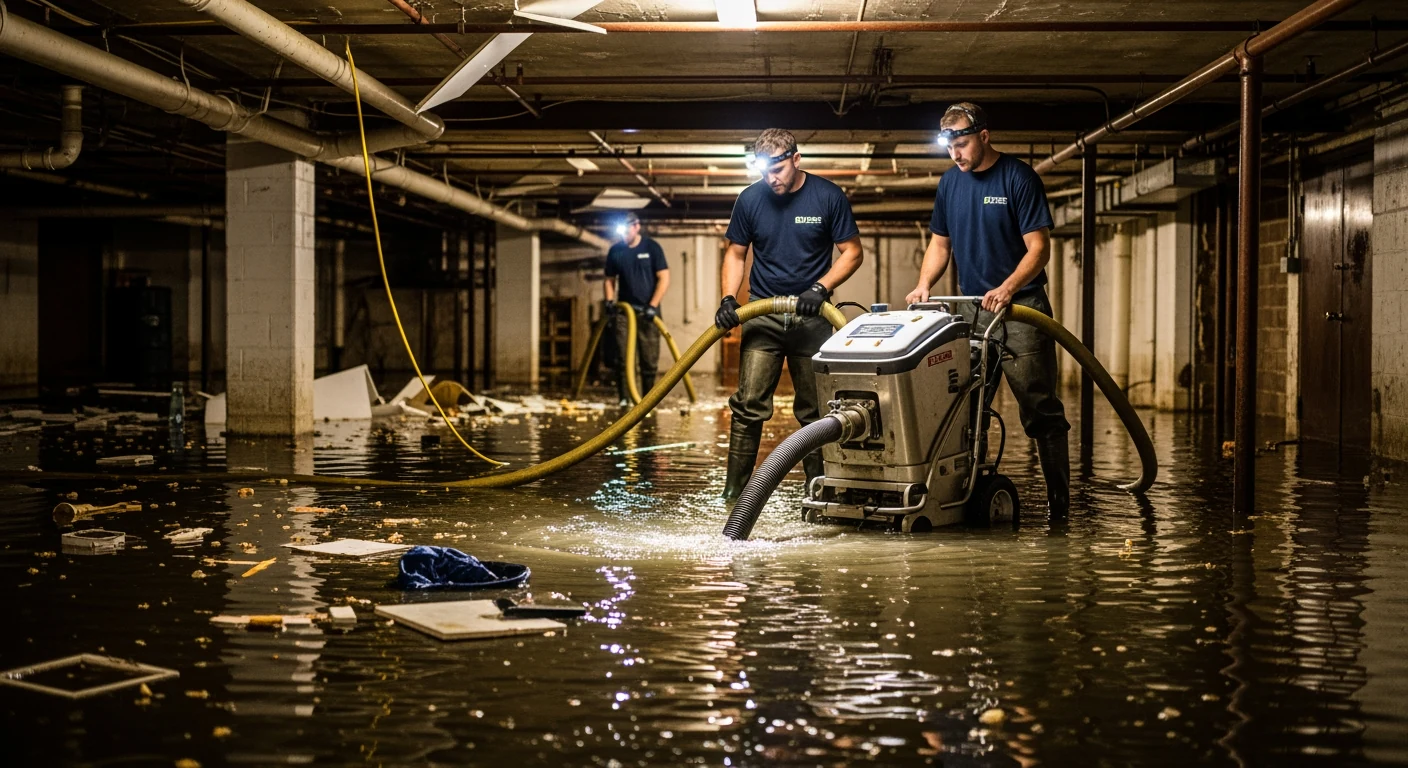
Winter’s icy grip brings unique challenges to homeowners, especially in coastal communities like Babylon. As the wind whips across the Great South Bay, driving snow and sleet toward our charming Victorians, Capes, and Colonials, it’s a reminder that winter storms can pose a real threat to South Shore homes. One of the most significant risks is water damage.
Why Winter Storms Hit Babylon Homes Hard
Babylon sits on Suffolk County’s South Shore, directly in the path of nor’easters that push moisture-heavy coastal storms across Long Island. Rapid freeze-thaw cycles are hard on roofs, gutters, and siding — and many of the village’s older homes, with their unique architectural features and sometimes aging infrastructure, are particularly vulnerable to the combination of moisture and freezing temperatures.
From heavy snowfall and ice dams to freezing pipes and burst supply hoses, winter weather can wreak havoc on your property. Think of those beautiful old gutters, or the winding pipes in a classic Victorian — they need a little extra attention when the weather turns frosty.
Preventative Measures
The good news is that many water damage incidents are preventable. Here are the crucial steps Babylon homeowners can take to protect their homes this winter:
Inspect your roof and gutters
Ensure your roof is in good condition and clear any debris from your gutters to allow for proper drainage. Clogged gutters can lead to ice dams, which trap water and cause it to seep into your home.
Insulate pipes and hoses
Exposed pipes and outdoor hoses are particularly vulnerable to freezing. Insulate them with foam or heat tape to prevent them from bursting. Pay special attention to plumbing in crawl spaces, garages, and exterior walls.
Seal cracks and gaps
Inspect your home’s exterior for any cracks or gaps where water could enter, and seal them with caulk or weatherstripping. Those charming dormer windows and the unique nooks of an older Babylon home might need a little extra sealing to keep the winter weather at bay.
Maintain a consistent temperature
Even if you’re away, keep your thermostat set to a consistent temperature to prevent pipes from freezing. A cozy home is a safe home.
Know the location of your water main
In case of a plumbing emergency, know where your water main shut-off valve is located so you can quickly turn off the supply. In an active leak, every minute counts.
What to Do if a Pipe Bursts
Even well-prepared homes can lose a pipe in a deep freeze. If it happens:
- Shut off the water main immediately to stop the flow
- Cut power to affected areas at the breaker if water is near outlets or fixtures — only if you can reach the panel safely
- Move belongings out of the water’s path and start documenting with photos
- Call your insurance carrier to open a claim
- Call a professional restoration company to begin extraction and structural drying
For a detailed timeline of what those first two days look like, see our guide to pipe burst restoration in a Long Island winter.
Be Prepared Before the Storm
Despite your best efforts, winter storms can be unpredictable. It’s essential to have a plan in place should water damage occur:
- Have emergency contact information ready: your plumber, your insurance agent, and a trusted restoration company like Upper Restoration.
- Document any damage: take photos or videos of the affected areas for insurance purposes before cleanup begins.
- Contact a professional: don’t attempt to handle extensive water damage yourself. A professional restoration team can assess the damage and begin drying promptly — before mold gets a foothold.
Frequently Asked Questions
What is an ice dam, and does insurance cover the damage?
An ice dam is a ridge of ice that forms at the roof edge when attic heat melts snow that refreezes over the cold eaves, trapping meltwater behind it. Interior water damage from an ice dam is often covered as a sudden loss, but policies vary — document the damage early and report it promptly.
When do pipes freeze on Long Island?
Risk rises sharply during prolonged stretches of sub-freezing temperatures, especially for pipes in exterior walls, crawl spaces, attics, and garages. On frigid nights, let vulnerable faucets drip and open cabinet doors so warm air reaches the plumbing.
Should I shut off the water if I leave home for the winter?
For extended absences, shutting the main and draining the lines is the safest option. At minimum, keep the thermostat at a consistent temperature and have someone check the house after storms.
How fast can water damage turn into mold?
Mold can begin growing on wet materials within 24–72 hours, which is why professional drying should start immediately after any winter water intrusion.
Stay Safe This Winter
By taking these preventative measures and being prepared, you can significantly reduce the risk of water damage to your Babylon home this winter. Stay safe and enjoy the season — perhaps with a cup of hot cocoa by the fireplace (after you’ve had it inspected, of course!).
Upper Restoration serves Babylon and all of Nassau and Suffolk counties, plus the five NYC boroughs — available 24/7 at (888) 720-8376.
Related Reading