Understanding the Long Island Hydrological Landscape
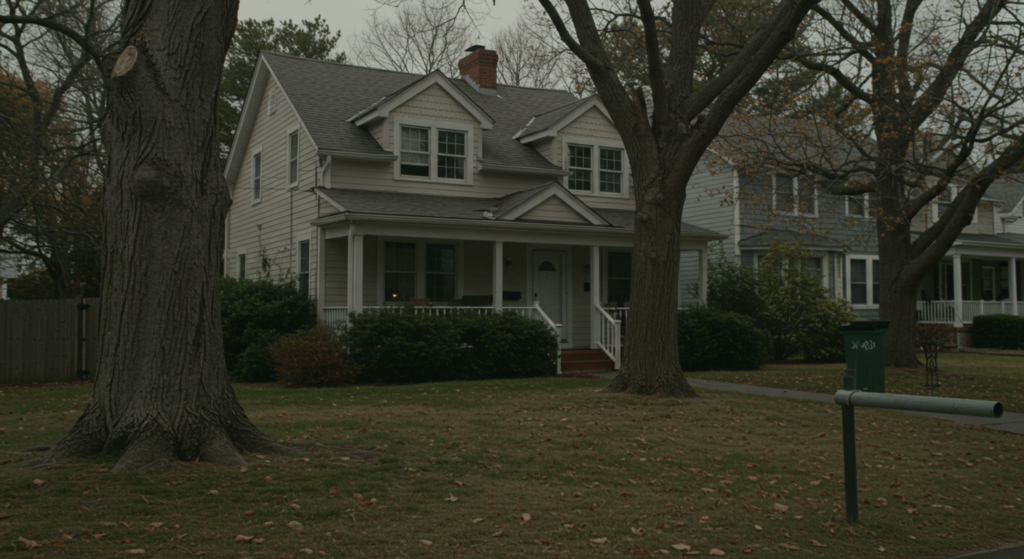
Long Island’s geography presents a unique set of challenges for property owners. From the densely populated suburban tracts of Nassau County to the sprawling estates and agricultural lands of Suffolk, the risk of water infiltration is a constant factor in property management. In 2026, we are seeing a convergence of aging infrastructure and shifting weather patterns that have made water damage long island a more frequent and complex issue than in previous decades.
The island’s topography is essentially a glacial moraine, which means drainage patterns vary significantly between the North and South Shores. On the South Shore, in communities like Massapequa, Freeport, and Oceanside, the high water table is the primary antagonist. Here, the ground is often saturated just a few feet below the surface. During periods of heavy rain or coastal surge, this groundwater has nowhere to go but into crawlspaces and basements. Conversely, the North Shore’s hilly terrain, from Great Neck to Huntington, creates issues with rapid runoff and flash flooding, where water cascades down elevations and pools against foundations that were not designed to handle such volume.
When dealing with water damage nassau county, property owners often face the complications of older clay pipe sewage systems that are prone to root intrusion and collapse. In contrast, water damage suffolk often involves residential septic systems. When the ground becomes oversaturated, these systems can fail, leading to Category 3 (black water) backups that require specialized decontamination procedures under IICRC S500 standards. Upper Restoration technicians frequently encounter these regional variations, requiring a tailored approach for every zip code from Elmont to Montauk.
Primary Drivers of Residential Water Damage in 2026
The causes of water intrusion on Long Island are rarely singular. They are typically the result of a system failure exacerbated by local environmental conditions. Understanding these drivers is the first step in effective mitigation and long-term prevention.
Long Island Sump Pump Failure and Rising Water Tables
For many homeowners, the sump pump is the only line of defense against a rising water table. However, long island sump pump failure remains a leading cause of preventable basement flooding. In 2026, we see two primary failure modes: mechanical exhaustion during prolonged storms and power outages. Because many Long Island electrical grids are still susceptible to wind-related interruptions, a pump without a battery backup or a secondary water-powered backup is a liability. When a pump fails, the hydrostatic pressure can force water through the “cove joint” (where the floor meets the wall), leading to rapid inundation.
Aging Infrastructure and Internal Plumbing Failures
While external flooding makes the headlines, internal pipe bursts are statistically more common. In older Nassau County homes built in the 1940s and 50s, galvanized steel and copper piping are reaching the end of their functional lifespans. Pin-hole leaks behind drywall can persist for weeks before discovery, leading to significant structural rot and mold growth. Upper Restoration utilizes thermal imaging and non-invasive moisture meters to track these “silent” leaks before they escalate into a full-scale flood event.
- Hydrostatic Pressure: Water pushing through foundation cracks during heavy rain.
- Appliance Malfunction: High-pressure braided hoses on washing machines or dishwashers failing at the crimp point.
- Septic Backups: Saturated drain fields in Suffolk County forcing effluent back into the home.
- Ice Damming: Winter storms causing snow to melt and back up under shingles, eventually leaking into attics.
The Professional Restoration Process: Following IICRC S500
Effective restoration is not merely about “sucking up the water.” It is a scientific process governed by the Institute of Inspection, Cleaning and Restoration Certification (IICRC). Specifically, the S500 Standard for Professional Water Damage Restoration provides the blueprint that Upper Restoration follows to ensure a property is returned to a pre-loss condition.
The process begins with an assessment of the “Category” and “Class” of the water. Category 1 is clean water (e.g., a broken supply line), while Category 3 is highly contaminated (e.g., sewage or sea water). The “Class” refers to the evaporation rate based on the materials affected. A long island basement flooding event involving wet carpet and pad is typically a Class 2 or 3 loss, requiring aggressive dehumidification and airflow.
Upper Restoration utilizes Low Grain Refrigerant (LGR) dehumidifiers, which are capable of pulling moisture out of the air even in the humid coastal environment of Long Island. Traditional dehumidifiers often fail when the relative humidity drops below a certain point, but LGR units can continue to dry “deep” moisture trapped in structural studs and hardwood flooring. This is critical for preventing secondary damage, such as mold or wood “buckling.”
“The goal of professional drying is to achieve ‘dry standards’—the moisture content of similar, unaffected materials in the home. Until those numbers match, the job is not finished.”
Addressing Long Island Basement Flooding Specifics
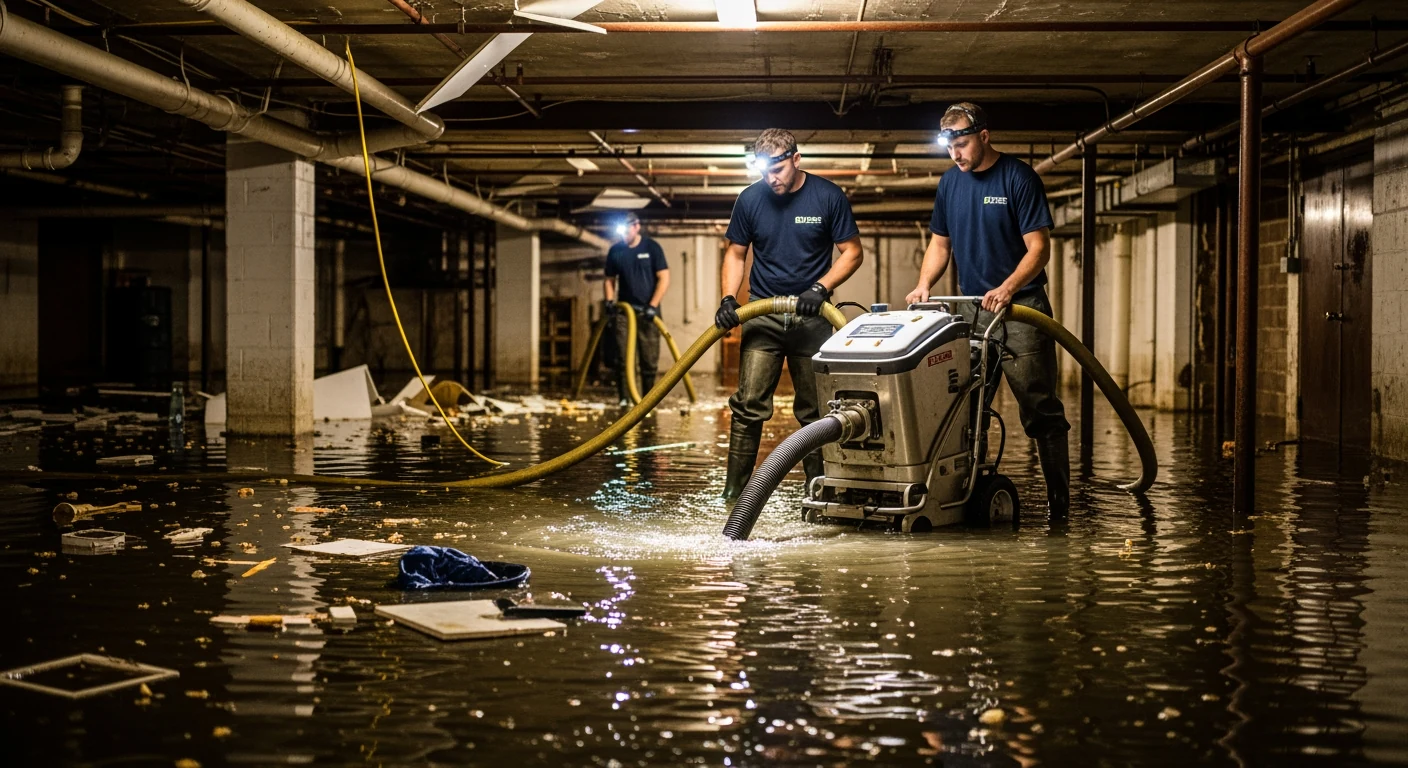
Basements on the Island are often more than just storage; they are finished living spaces, home offices, and dens. This increases the stakes for long island basement flooding. When a finished basement floods, the clock starts ticking on drywall and insulation. Most modern drywall uses a paper facing that serves as a primary food source for mold spores (specifically Stachybotrys chartarum) when wet for more than 24 to 48 hours.
In cases of water damage long island residents must often decide between “drying in place” and “controlled demolition.” If the water is Category 1 and the drywall is only minimally affected, it may be possible to save the walls by removing the baseboards and using “wall-venting” systems. However, if the water is Category 2 or 3, or if the insulation behind the wall is wet, the “flood cut” is necessary. This involves removing the bottom 12 to 24 inches of drywall to allow for air circulation and to remove contaminated materials.
For properties built before 1980, there is an added layer of regulation. The New York City DEP and various Long Island town ordinances require adherence to asbestos protocols. Before any drywall or flooring is ripped out, testing may be required to ensure that technicians and residents are not exposed to asbestos fibers, often found in older joint compounds or 9×9 floor tiles. Upper Restoration coordinates these compliance steps to ensure the project meets all local health safety standards.
Navigating Insurance Claims and Local Carriers
Insurance in the New York metropolitan area is notoriously complex. Standard homeowners’ policies typically cover “sudden and accidental” water discharge—such as a pipe burst or a water heater failure. However, they almost never cover “flood” damage (water rising from the ground) unless the homeowner has a separate policy through the National Flood Insurance Program (NFIP) or a private flood carrier like Wright Flood or Neptune.
When filing a claim for water damage nassau county or water damage suffolk, documentation is the most important factor. Adjusters from companies like State Farm, Allstate, or Liberty Mutual look for evidence that the homeowner took immediate action to mitigate the loss. This is why hiring a professional firm immediately is often a requirement of the policy. If you wait three days and mold begins to grow, the insurance carrier may deny the mold portion of the claim, citing “negligence” or “failure to maintain.”
Upper Restoration provides comprehensive digital documentation, including moisture maps, psychrometric logs, and photo evidence, which streamlines the claims process. We speak the language of the adjusters, focusing on the “Standard of Care” and ensuring that the scope of work reflects the actual requirements for a safe, dry home. It is important to note that many carriers now have “caps” on water damage or mold remediation, often limited to $5,000 or $10,000. Knowing your policy limits before a disaster strikes is essential for every Long Island homeowner.
Cost Expectations and Timelines
While every loss is unique, most professional restoration projects for water damage long island fall into predictable ranges. A minor pipe burst in a kitchen might cost between $2,500 and $5,000 for mitigation. A major long island basement flooding event involving 1,000 square feet of finished space can easily range from $8,000 to $15,000 for the drying and demolition phase alone. Reconstruction is a separate cost. The typical drying time is 3 to 5 days, during which high-velocity air movers and dehumidifiers must run 24/7 to maintain the necessary “dry vortex.”
Water Damage Long Island: Frequently Asked Questions
Is water damage from a heavy rainstorm covered by my standard insurance?
Generally, no. If the water enters your home from the ground up (seeping through the foundation or coming under the door), it is classified as “flood” and requires a separate flood insurance policy. If the rain enters because a tree fell on your roof, creating a hole, that is usually covered as a “wind” or “storm” event. Always verify your specific policy endorsements with your agent.
How long do I have before mold starts growing after a flood?
In the humid Long Island climate, mold can begin to colonize in as little as 24 to 48 hours. This is why immediate water extraction and the placement of professional-grade dehumidification are critical. If the water is Category 3 (sewage), microbial growth is even more rapid due to the high organic load in the water.
What should I do first if I find my basement flooded?
First, ensure your safety by turning off the electricity to the affected area at the breaker box if it is safe to do so. Do not walk into standing water if the power is on. Second, identify the source—if it’s a pipe burst, shut off the main water valve. Third, call a professional restoration company to begin extraction. Avoid using a household vacuum, as it is a severe electrocution risk.
Can I just use fans to dry out my wet carpet?
Household fans move air across the surface, but they do not remove moisture from the air. Without a professional dehumidifier to catch the evaporated moisture, you are simply “moving the water” into the walls and ceiling, which often leads to secondary damage and mold. Furthermore, wet carpet padding acts like a sponge and rarely dries without being removed or dried with specialized “sub-surface” extraction tools.
Talk to Upper Restoration
When water enters your home, the situation can feel overwhelming, but a structured, professional response can prevent a temporary inconvenience from becoming a permanent structural issue. Whether you are dealing with a long island sump pump failure in the middle of a storm or a slow leak in a Nassau County colonial, the priority remains the same: rapid response and scientific drying.
Upper Restoration provides 24/7 emergency service throughout Long Island, bringing IICRC-certified expertise to every project. We understand the local building codes, the insurance landscape, and the specific hydrological challenges of our island. Our team is equipped with the latest LGR dehumidification technology and HEPA filtration systems to ensure your property is not just dry, but safe for your family. If you are facing a water loss, contact us to begin the restoration process and protect your investment.