2026 NYC & Long Island Restoration Update. Restoration claim volume across NYC, Long Island (Nassau and Suffolk), and the broader Tri-State has continued to track water damage, sewage backup, fire and smoke, and mold remediation as the dominant categories through 2026. Insurance claim mechanics — particularly around water mitigation, IICRC certifications, and the documented chain of restoration steps — have remained the deciding factor in successful claims. For homeowners, building managers, and condo and co-op boards across NYC and Long Island, the restoration landscape rewards licensed, IICRC-certified providers with documented claim experience. The remainder of this article — originally published in an earlier cycle and updated for 2026 — covers the underlying restoration and claim detail.
Water damage is a common problem that can occur in any home or building. Whether it’s from a leaky roof, burst pipes, or flooding, water damage can be costly and dangerous. While the immediate damage may be visible and obvious, such as soaked carpets and ruined furniture, the long-term effects can be more insidious and hazardous.
Mold and Mildew
One of the most significant dangers of water damage is mold and mildew growth. Mold and mildew thrive in damp environments and can begin to grow within 24-48 hours of water damage. Not only can mold and mildew cause significant structural damage to a building, but they can also pose a serious health risk to those who are exposed to them.
Mold and mildew spores can cause respiratory issues, allergic reactions, and even neurological problems. In some cases, prolonged exposure to mold and mildew can lead to chronic illness or even death. Individuals with pre-existing respiratory conditions, such as asthma, are at a higher risk of experiencing adverse health effects from mold and mildew exposure.
Structural Damage
Water damage can also cause significant structural damage to a building. The moisture from water damage can weaken and rot the wood in the structure, causing it to become brittle and unstable. This can lead to serious problems, such as collapsing ceilings and walls.
Additionally, water damage can also damage electrical systems, leading to fire hazards and electrocution risks. Water can cause electrical appliances to malfunction, and exposed wiring can also pose a significant risk to individuals in the affected area.
Pest Infestation
Another hidden danger of water damage is the increased risk of pest infestations. Damp environments provide the perfect breeding ground for pests such as termites, cockroaches, and rodents. These pests can cause additional damage to a building and pose health risks to those who live or work there.
Termites are particularly problematic as they feed on the wooden structures of buildings, exacerbating the structural damage caused by water damage. Cockroaches and rodents can also spread diseases and bacteria, causing health problems for the inhabitants of the building.
Health Risks
In addition to the health risks associated with mold and mildew exposure, water damage can also lead to other health problems. Standing water can become a breeding ground for bacteria and viruses, leading to illnesses such as gastroenteritis and hepatitis A.
Individuals who come into contact with contaminated water are at risk of developing skin infections and other illnesses. Children, pregnant women, and individuals with weakened immune systems are particularly vulnerable to the health risks associated with water damage.
Prevention and Remediation
Preventing water damage is the best way to avoid these hidden dangers. Regular building inspections can help identify potential problem areas before they become serious issues. Additionally, ensuring that buildings are properly ventilated and that leaks are promptly repaired can help prevent water damage from occurring.
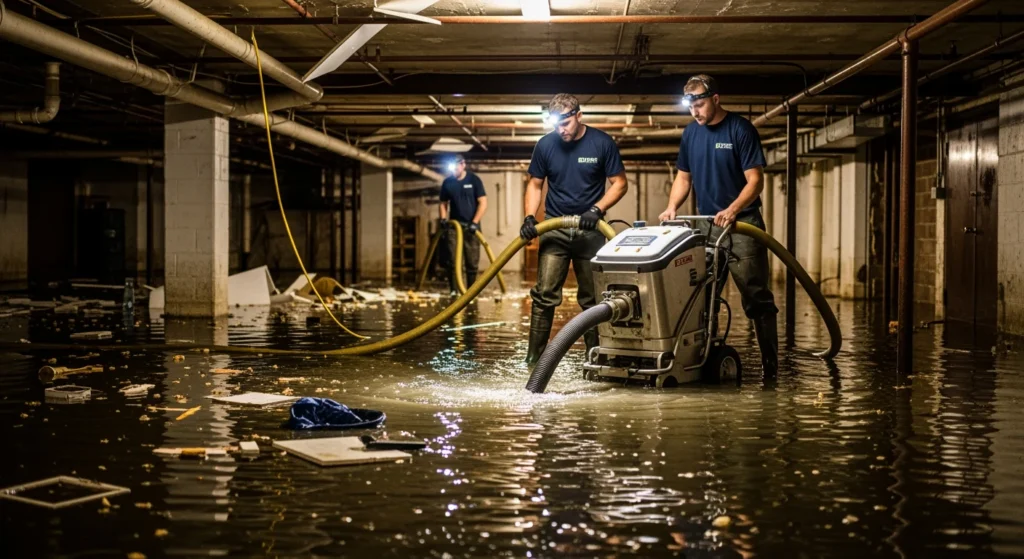
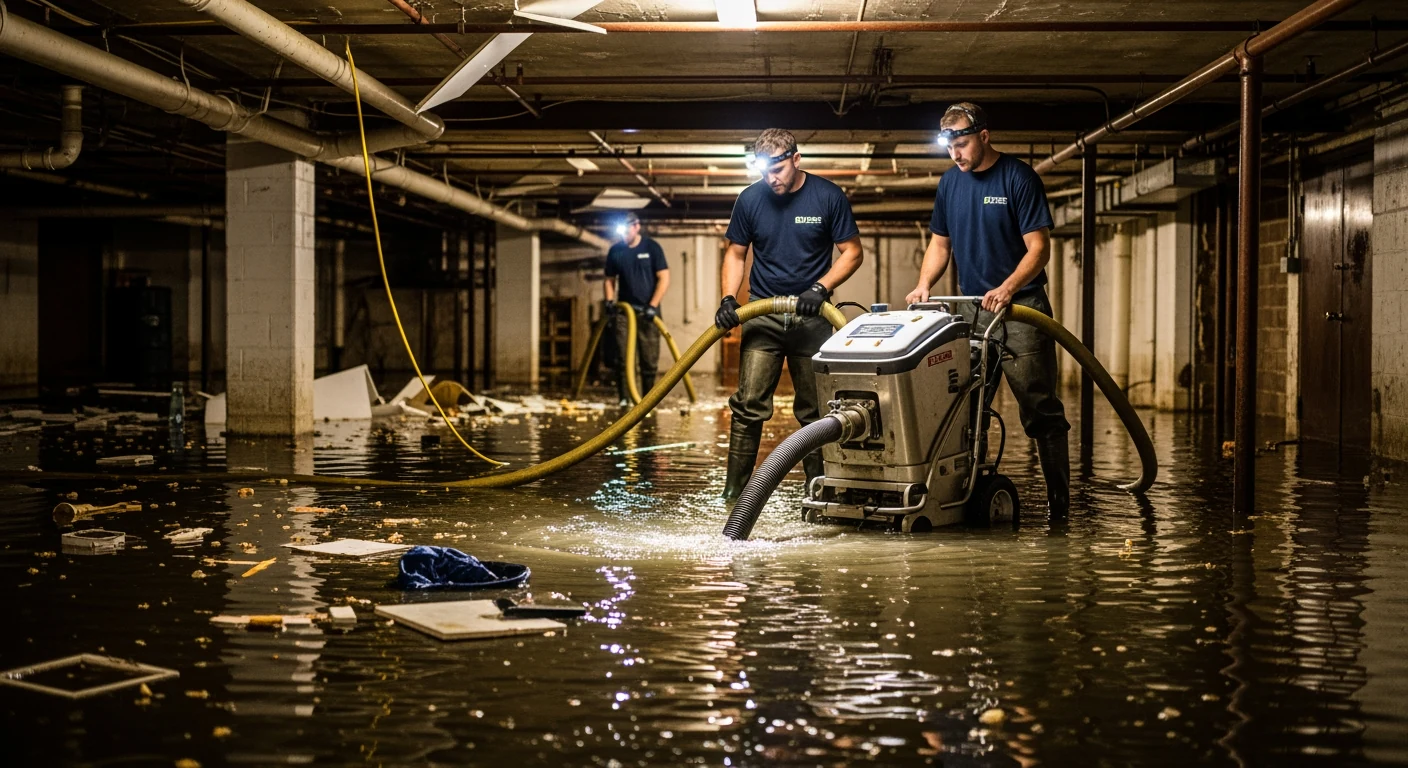
In the event of water damage, it’s essential to act quickly to prevent further damage and mitigate the risks. This may involve removing standing water, drying out affected areas, and disinfecting surfaces to prevent the growth of mold and mildew.
Professional water damage restoration services can provide effective and efficient remediation solutions for water damage. These services typically involve the use of specialized equipment, such as dehumidifiers and air movers, to dry out the affected areas and prevent further damage. For a complete breakdown of pricing, see our guide to water damage restoration cost on Long Island.
Mold or Water Damage: Which Is the Bigger Threat?
When Long Island homeowners ask “mold or water damage — which is worse?” the honest answer is that they’re the same problem at different stages. Water damage is the cause; mold is the consequence. Left unaddressed for more than 24–48 hours, virtually every water damage event becomes a mold event as well.
The distinction matters for insurance and remediation scope. Water damage is typically covered under standard homeowner’s policies. Mold resulting from that water damage is covered if documented as a direct consequence of the covered water event — but mold from long-term neglect or a known slow leak is typically excluded. This is why rapid professional response and thorough documentation are critical: they establish that the mold is a direct result of the water event, not a pre-existing condition.
For Long Island homeowners dealing with both at once: water extraction and structural drying must come first, but mold assessment should begin simultaneously. A certified industrial hygienist can evaluate mold risk in wet materials while drying equipment is running, preventing a second remediation project weeks later.
Conclusion
Upper Restoration provides professional water and flood damage restoration services across Nassau County, Suffolk County, and all five NYC boroughs — available 24/7.
Water damage may seem like a minor inconvenience, but The Hidden Dangers associated with it can be severe and long-lasting. By taking steps to prevent water damage and promptly addressing any damage that does occur, we can protect ourselves and our buildings from the many hazards that come with water damage. Regular inspections, prompt repairs, and professional remediation services can help mitigate the risks associated with water damage and ensure the safety of building occupants.
*Editor’s Note: This article was reviewed and updated with the latest information on February 17, 2026.
2026 Update: Water Damage and Mold — The Timeline That Determines Outcome
The critical insight about water damage and mold that most homeowners miss: the difference between a $3,000 repair and a $30,000 remediation project is usually measured in hours, not days. Understanding exactly what happens in the first 72 hours after water intrusion is the most valuable thing you can read before it happens to you.
The Water Damage + Mold Timeline: What Happens When
0–1 Hour: Absorption
Water begins absorbing into any porous material it contacts — drywall, wood framing, subfloor, insulation, carpet pad. A flooded room with 1 inch of standing water will have saturated drywall to 12–18 inches above the water line within one hour due to capillary action. The visible water line is not the actual extent of moisture damage.
1–24 Hours: Structural Saturation
Drywall paper facing begins to delaminate. Wood framing swells. If insulation is cellulose or fiberglass batting, it’s now fully saturated — cellulose insulation retains water and essentially becomes compost at this stage. Hardwood floors begin to cup and buckle. Subfloor OSB begins to swell.
24–48 Hours: Mold Window
Under warm conditions (above 70°F), mold spore germination begins within 24–48 hours on wet organic materials. This is the critical threshold. Professional drying equipment deployed before 48 hours can prevent mold colonization in most cases. After 48 hours, the conversation shifts from mold prevention to mold remediation.
72 Hours+: Active Mold Growth
Visible mold growth typically appears 3–7 days after water intrusion. By this point, structural materials that weren’t dried may require removal rather than drying. The category of water damage also degrades over time — clean water (Category 1) that sits for 72+ hours becomes contaminated (Category 3) as bacteria multiply.
Mold and Water Damage: Long Island-Specific Risks
Long Island’s coastal humidity (average 70%+ relative humidity in summer months) means drying conditions are poor without mechanical dehumidification. Natural evaporation in a humid Long Island summer is essentially nonexistent — open windows make the problem worse. Professional dehumidification is not optional here.
Is Mildew Dangerous? Mildew vs. Mold Explained
Mildew is a surface fungal growth — typically flat, powdery, and white or gray — found on damp surfaces like shower grout, window sills, and basement walls. Unlike mold, mildew doesn’t penetrate materials deeply. It causes mild respiratory irritation and allergic reactions but doesn’t produce mycotoxins. However, mildew is a reliable early indicator that conditions are right for more dangerous mold species. Treat it as a warning sign, not just a cosmetic problem.
2026 Water Damage Response Cost Guide (Long Island)
- Water extraction + structural drying (no mold): $2,500–$8,000
- Water damage + mold remediation (moderate): $8,000–$20,000
- Sewage or Category 3 water: $5,000–$25,000+
- Contents restoration: $1,500–$8,000 additional
Research basis: The CDC reports that 50% of U.S. homes have dampness or mold conditions. Studies published in Environmental Health Perspectives link indoor mold exposure to a 30–50% increase in respiratory illness risk. FEMA estimates that 90% of all natural disasters involve flooding — making water intrusion the leading cause of structural mold growth.
Related Restoration Services
- Mold Removal Cost in NYC & Long Island: 2025 Pricing by Room, Size, and Mold Type
- How Much Does Mold Cleanup Cost? A Straightforward Guide for NYC and Long Island Homeowners
- Mold Remediation Cost Per Square Foot: Real Numbers for NYC and Long Island (2025)