Property damage restoration is paid through insurance in the overwhelming majority of cases — homeowner’s, condo, co-op, commercial property, or sometimes umbrella policies depending on the damage type. The mechanics of the claim determine whether you recover the full restoration cost or face out-of-pocket exposure for documentation gaps, scope disputes, or policy exclusions. This 2026 restoration insurance claim playbook covers what NYC and Long Island property owners, building managers, and condo boards need to know to navigate the claim cleanly.
For background on restoration itself, see the complete guide to property damage restoration. For damage-type-specific detail, see restoration by damage type.
What an Adjuster Actually Looks For
The insurance adjuster’s job is to confirm three things: that a covered loss occurred, that the restoration scope is reasonable for the documented loss, and that the line-item costs align with reasonable market rates for the work. The adjuster is not the property owner’s adversary, but they are not the owner’s advocate either — they work for the insurance company and apply the policy as written.
What the adjuster looks for in practice:
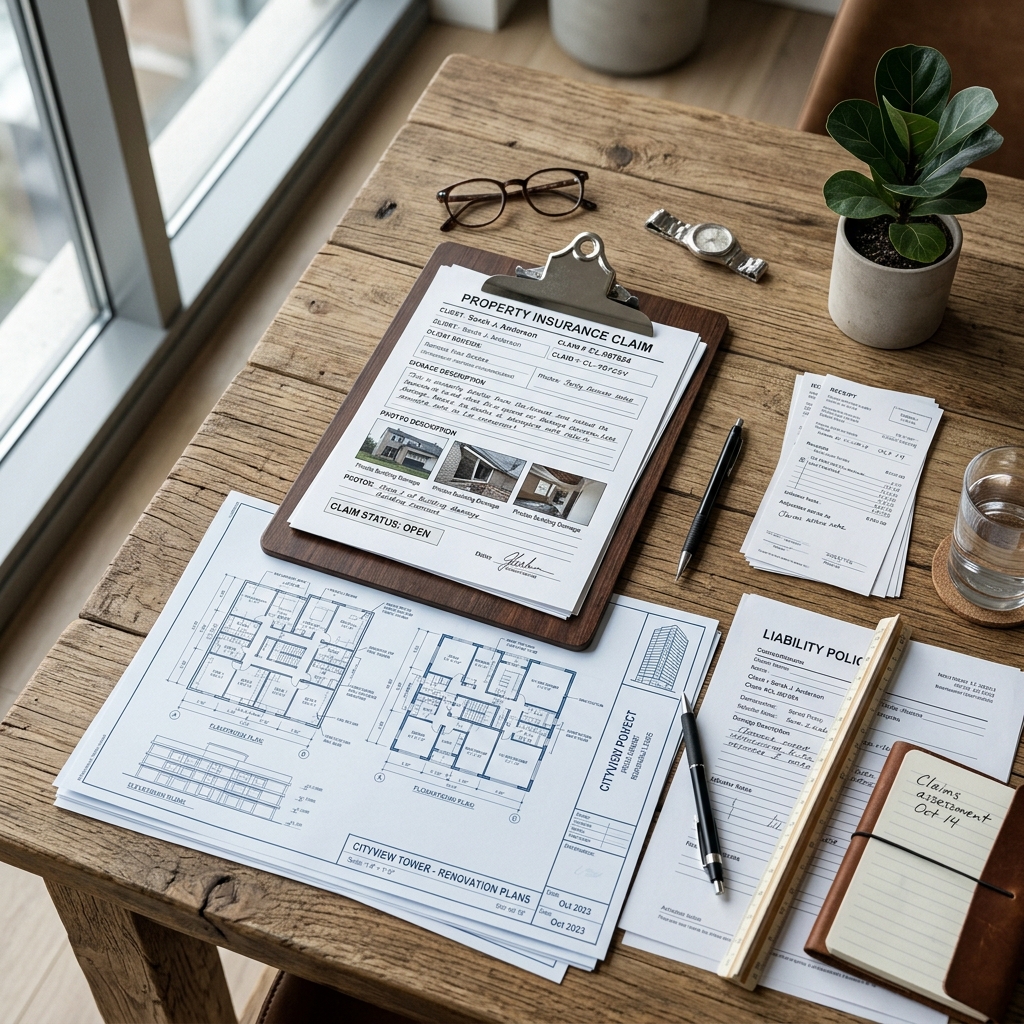
- Documented cause of loss. Photos, video, and written description establishing the source of damage. A pipe burst photographed in place tells a different story than a wet floor with no documented source.
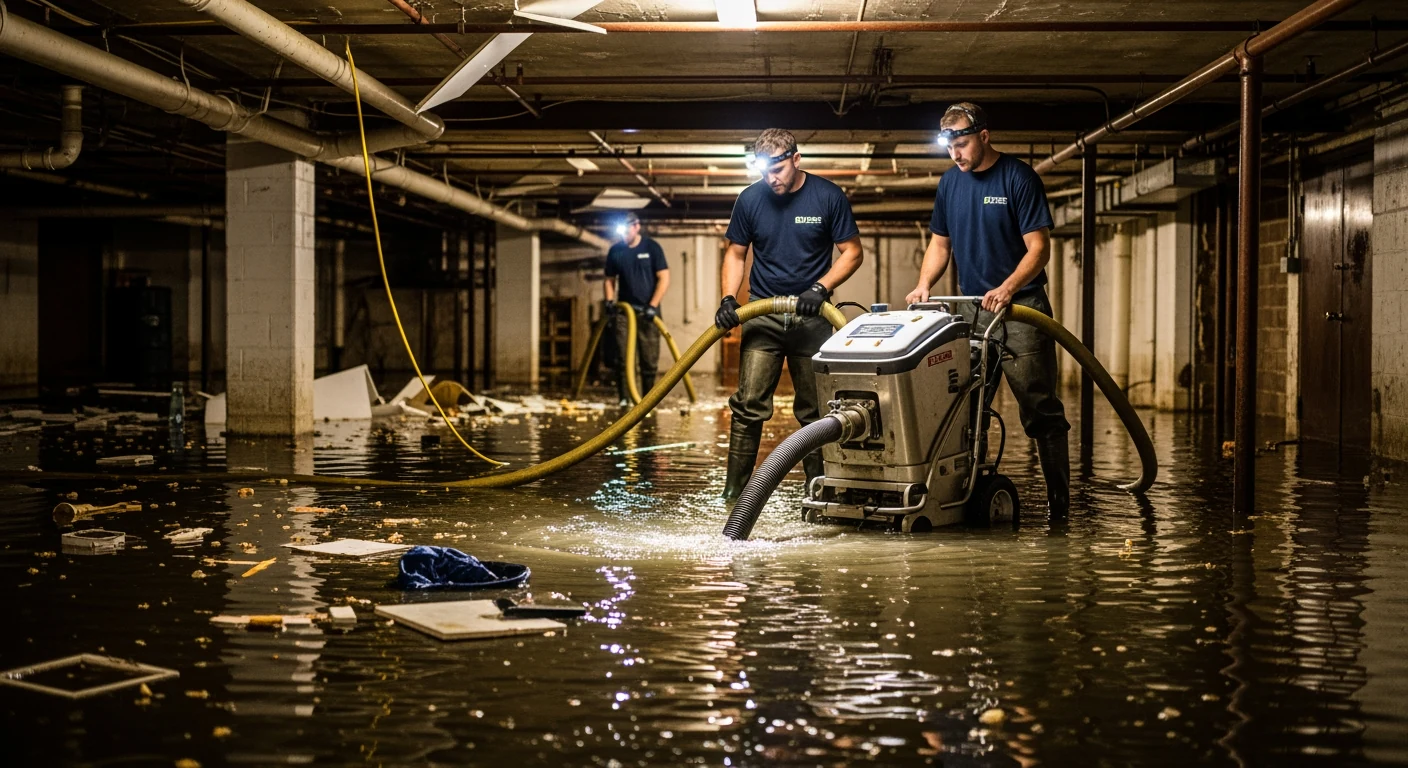
- Mitigation evidence. The policy obligates the property owner to take reasonable steps to mitigate the damage. Documentation of immediate mitigation (water extraction, drying equipment in place, board-up after storm) demonstrates the owner met that obligation.
- Scope of work aligned to the damage. Line-item scope (room by room, surface by surface) matching the documented damage. Excess scope without documented damage gets pushed back on.
- IICRC-aligned methodology. Adjusters specifically look for IICRC certifications because the certification confirms the work follows established industry standards (S500 for water, S520 for mold, etc.).
- Xactimate-aligned line-item estimates. Xactimate is the insurance-industry-standard estimating software. Estimates structured in Xactimate format with line-item pricing flow through the adjuster’s system cleanly.
Upper Restoration’s restoration documentation packages are structured around exactly these adjuster expectations, which is why claims processed through Upper Restoration projects typically move through approval faster than claims that arrive with non-standard documentation.
The IICRC Certification Question
Why does IICRC certification matter so much in the claim process? Two reasons:
First, the IICRC standards (S500 for water damage restoration, S520 for mold remediation, S540 for trauma and crime scene cleanup, plus related category standards) are the documented industry standards for how restoration work should be done. An adjuster reviewing a claim wants to confirm the work was done to industry standard before approving payment. IICRC certification provides that confirmation.
Second, non-IICRC work creates legal and financial risk for the property owner. If improperly performed mold remediation spreads spores throughout the building, or improperly handled water mitigation results in subsequent mold growth, the lack of standard-compliant work can affect coverage on the secondary loss and create owner liability for occupants. Insurance carriers know this and prefer IICRC-certified providers as a result.
Upper Restoration’s certifications page documents current IICRC and related credentials.
The Documentation That Protects You
The single most important thing a property owner can do in the first hours after damage is document everything. Specifically:
- Photos and video before any cleanup. Wide shots of each affected room, close-ups of damaged surfaces, documentation of standing water depth, photos of the damage source (the failed pipe, the burnt outlet, the broken window).
- Time stamps. Modern phone photos include time stamps automatically. Maintain the original files; do not crop or edit them.
- Written description of when the damage was discovered and what was happening. Particularly relevant for water damage where the timing of discovery affects the mold-formation question.
- Moisture readings from the restoration team. Upper Restoration documents moisture readings throughout the structural drying process, providing the timeline evidence that mitigation was performed.
- Receipts for any owner-incurred costs. Hotel bills if displacement occurred, immediate purchases (fans, tarps, temporary plumbing fixes), contractor invoices.
Common Claim Issues and How to Handle Them
Coverage dispute over cause of loss
The most common dispute. A wet basement could be a covered pipe failure or an excluded gradual seepage. Documentation of the specific failure event — photos of the burst pipe, the failed appliance, the moment the water appeared — is the deciding factor. Without it, the adjuster’s default assumption may be the excluded gradual cause.
Scope disagreement
The adjuster’s initial scope is sometimes narrower than the restoration team’s. The path to resolution is line-item documentation: showing why each scope item is necessary given the documented damage. Adjusters generally approve well-documented expanded scope; they push back on undocumented expanded scope.
Cost-per-line-item disagreement
Less common when working with Xactimate-aligned estimates. The Xactimate database includes geographic pricing, so estimates aligned to it use the same baseline pricing the adjuster’s system uses.
Outright denial
Denials usually fall into a few categories: policy exclusion (gradual seepage, undocumented cause, lack of required endorsement for sewage backup), late notification, or insufficient documentation. Each has a different appeal path. The documentation produced during the restoration project — IICRC-aligned methodology, moisture readings, written scope, photo timeline — is the basis for most successful appeals.
Specific Considerations by Damage Type
Water damage: Confirm whether the damage is sudden/accidental (typically covered) versus gradual seepage (typically excluded). The 14-day rule applies in many policies — leaks that have been ongoing for more than 14 days may face coverage limits or denial.
Sewage backup: Standard homeowner’s policies frequently exclude sewer/drain backup unless a specific endorsement was added. Check the policy specifically for the endorsement before assuming coverage.
Mold: Coverage depends entirely on the source. Mold resulting from a covered water loss is typically covered up to a policy sub-limit. Mold from undetected long-term leaks may not be covered at all.
Fire: Almost universally covered, including smoke damage and water damage from fire suppression. The scope of fire claims tends to be among the largest and most complex restoration projects.
Asbestos: Abatement work disturbed by a covered loss (fire, water) is typically covered as part of the restoration. Abatement undertaken for renovation purposes is typically not covered.
Co-op and Condo Board Considerations
NYC co-op and condo damage typically involves two policies: the building’s master policy and the individual unit owner’s HO-6 policy. The dividing line between them is defined in the proprietary lease (co-op) or condo declaration. Water damage in a unit ceiling caused by a pipe failure in the unit above is often partially the building’s responsibility (the pipe and structural damage) and partially the unit owner’s (interior finishes and contents). Coordination between the two adjusters is required for clean claim processing.
Upper Restoration regularly works on co-op and condo damage with both adjusters in the loop, producing documentation that supports the appropriate split between policies.
What to Do Before You Need It
The work that pays off in a future claim happens before any damage occurs:
- Read your policy. Specifically look for sewer backup endorsement, mold sub-limits, deductible amount, and any exclusions for water damage from specific causes.
- Document the property in good condition. Photos of each room before any damage establishes the baseline that the adjuster will use to confirm what was lost.
- Inventory contents. A photo inventory of personal property protects the contents claim that runs alongside the structural claim.
- Know who to call. Having Upper Restoration’s contact info before you need it cuts the response time when damage occurs.
Frequently Asked Questions
Will Upper Restoration work directly with my adjuster?
Yes. Upper Restoration coordinates directly with the property owner’s insurance adjuster from initial inspection through final billing, providing documentation, scope, Xactimate-aligned estimates, and methodology that aligns to adjuster expectations.
What if I don’t have insurance?
Upper Restoration still handles uninsured restoration work, with the property owner paying directly. Costs are itemized in detail; the scope is structured to match the owner’s budget and priorities.
What if my claim is denied?
The documentation Upper Restoration produces during the restoration — IICRC-aligned methodology, moisture readings, written scope, photo timeline — is the basis for most appeals. Many denials are reversible when supported by adequate documentation.
Are deductibles negotiable?
The deductible itself is fixed by the policy. The work scope and line-item structure within the claim is negotiable through the documentation and adjuster relationship.
What about co-op or condo board claims?
Upper Restoration regularly handles co-op and condo board work with both the building’s master policy and the unit owner’s HO-6 policy in the loop, producing documentation that supports the appropriate split between policies.
Talk to Upper Restoration
For emergencies, call the 24/7 emergency line. For non-emergencies including pre-damage planning conversations with building managers or condo boards, request a free consultation or reach out via the contact page. View recent project work for examples of insurance-coordinated restoration outcomes.