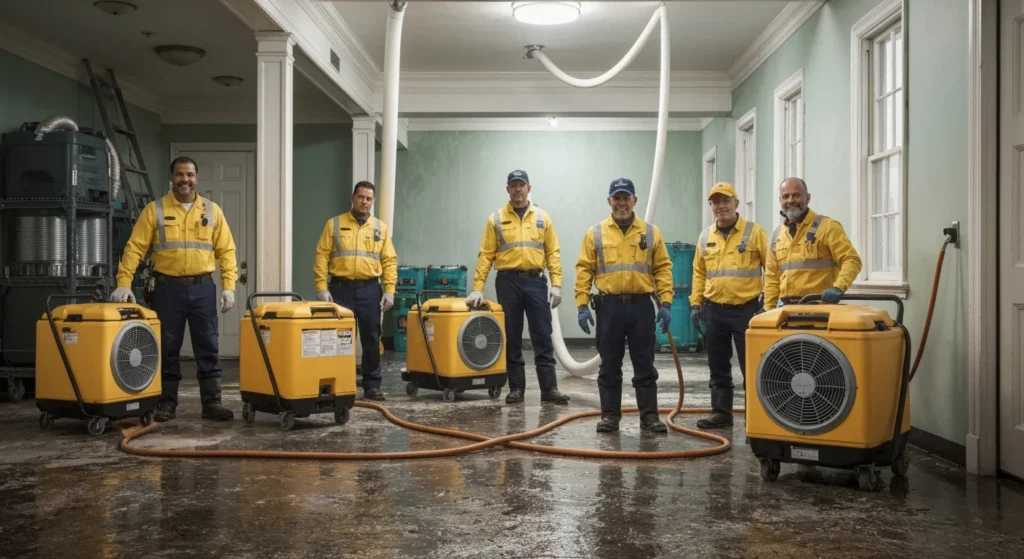
Winter storms are an annual threat to homes across Long Island and New York City. From powerful nor’easters that dump 12–24 inches of snow with 60 mph gusts, to ice storms that coat power lines and tree branches with destructive weight, winter weather inflicts billions of dollars in property damage to the New York metro area each season.
At Upper Restoration, winter is our busiest season for emergency calls. Burst pipes, ice dam leaks, roof collapses, and hidden moisture damage account for hundreds of restoration projects across Nassau County, Suffolk County, and all five NYC boroughs between December and March. Here’s what you need to know about how winter storms damage homes in our region.
How Nor’easters Damage Long Island and NYC Homes
Wind Damage
Nor’easters routinely bring sustained winds of 40–60 mph with gusts exceeding 70 mph across Long Island and coastal NYC. These winds tear off shingles, rip siding from homes, snap tree limbs onto roofs, and send unsecured items flying into structures. Long Island’s South Shore is particularly exposed, but even inland Suffolk County homes suffer significant wind damage during major nor’easters. In NYC, high-rise buildings face facade damage and broken windows from wind-borne debris.
Heavy Snow Loading
A single nor’easter can deposit 18–24 inches of heavy, wet snow on Long Island. One cubic foot of wet snow weighs 15–20 pounds, meaning a 1,500 square foot roof can bear over 20 tons of snow after a major storm. Flat roofs on NYC commercial buildings and older Long Island ranch homes are most vulnerable to snow load collapse. Watch for: sagging ceilings, cracking sounds from the attic, doors that suddenly won’t close, and visible roof deflection.
Coastal Flooding and Storm Surge
Nor’easters can generate storm surge comparable to hurricanes when they stall offshore. South Shore Long Island communities, waterfront Brooklyn, Queens, and Staten Island face flooding during major winter storms. Combined with astronomical high tides, nor’easter surge floods basements, destroys mechanical systems, and contaminates properties with salt water — which is far more corrosive and damaging than fresh water flooding.
Ice Dam Damage: Long Island’s Hidden Winter Threat
Ice dams form when heat escaping through an improperly insulated attic melts snow on the roof. The meltwater flows down to the cold eaves, refreezes, and creates a dam that traps water behind it. This trapped water backs up under shingles and penetrates into your home, causing:
- Water stains and damage to ceilings and interior walls
- Soaked attic insulation (losing R-value and promoting mold)
- Rotting roof sheathing and fascia boards
- Mold growth inside wall cavities that goes undetected for months
- Damaged gutters and soffits from ice weight
Long Island homes — particularly Cape Cods and colonials with complex roof lines — are highly susceptible to ice dams. The hidden water damage from ice dams often isn’t discovered until spring when homeowners notice staining, musty odors, or peeling paint.
Burst Pipes: The Most Common Winter Emergency
Burst pipes are the #1 winter emergency call we receive at Upper Restoration. When temperatures drop below 20°F — which happens multiple times each Long Island winter — pipes in unheated spaces freeze and burst. Common failure points include:
- Pipes in exterior walls (especially north-facing)
- Basement pipes near foundation walls
- Pipes in unheated garages, crawl spaces, and attics
- Outdoor hose bibs left connected
- Pipes in vacant or under-heated properties (snowbird homes, vacation rentals)
A single burst pipe can release 400+ gallons per hour, causing catastrophic damage to floors, walls, ceilings, and personal property. In NYC apartments, a burst pipe on an upper floor can cascade down through multiple units. The first 48 hours after a pipe burst determine whether your restoration costs $5,000 or $50,000.
Hidden Moisture: The Long-Term Threat
Winter storm damage isn’t always visible. Slow leaks from ice dams, minor pipe seepage, and condensation from temperature differentials create hidden moisture problems that manifest months later as:
- Mold growth behind walls and under flooring
- Wood rot in structural members
- Warping and buckling of hardwood floors
- Efflorescence (white mineral deposits) on basement walls
- Musty odors that appear in spring/summer as temperatures rise
Professional moisture mapping with infrared cameras and moisture meters can identify these hidden problems before they become major health and structural hazards. If you notice any signs of moisture after winter storms, call for a professional assessment immediately.
Insurance Coverage for Winter Storm Damage
Standard homeowners insurance policies in New York typically cover winter storm damage including:
- Burst pipe damage (water extraction, drying, repairs)
- Wind damage to roofs and siding
- Ice dam water damage to interiors
- Tree limb damage to structures
- Snow load roof collapse
However, damage from poor maintenance (neglected pipes, deferred roof repairs) may be denied. Flood damage from nor’easter storm surge requires separate NFIP flood insurance. Understanding your insurance claims process before you need it ensures faster recovery and fair payment.
Emergency Response: What to Do When Winter Storm Damage Occurs
If your Long Island or NYC property suffers winter storm damage:
- Stop the water source — shut off the main water valve for burst pipes
- Document damage — photograph everything before cleanup
- Call your insurance company — initiate your claim within 24 hours
- Call a restoration professional — Upper Restoration in Nassau County and Suffolk County provides 24/7 emergency response
- Protect undamaged areas — move valuables away from affected zones
Professional emergency response within the first 24 hours dramatically reduces total restoration costs and prevents secondary mold damage.
Frequently Asked Questions
How much does winter storm restoration cost on Long Island?
Costs vary widely based on damage severity. A single burst pipe with quick response: $3,000–$8,000. Ice dam damage with mold remediation: $5,000–$20,000. Major nor’easter damage with roof repair and water restoration: $15,000–$50,000+. The fastest way to minimize cost is immediate professional response — every hour of delay increases the scope of damage.
How do I prevent pipes from freezing in my Long Island home?
Insulate exposed pipes in attics, crawl spaces, and exterior walls. Keep cabinet doors open under sinks on exterior walls during cold snaps. Maintain heat at 55°F minimum even when away. Let faucets drip during extreme cold (below 15°F). Disconnect outdoor hoses and shut off exterior hose bibs. Consider smart leak detectors that alert your phone to temperature drops or water flow.
Are ice dams covered by homeowners insurance in New York?
Yes, most NY homeowners policies cover interior water damage caused by ice dams. However, the cost to remove the ice dam itself and repair the underlying insulation/ventilation problem that caused it is typically not covered, as insurers classify that as maintenance. Document all interior damage with photos for your claim.
When should I call a professional after a winter storm?
Call immediately if you see: standing water, active leaks from ceilings or walls, burst pipes, ice dams with interior water staining, structural sagging, or smell musty/damp odors. For burst pipes, every hour matters — 400+ gallons per hour of uncontrolled water flow turns a $5,000 job into a $50,000 restoration project. Upper Restoration responds 24/7 across NYC and Long Island.
What’s the difference between a nor’easter and a blizzard on Long Island?
A nor’easter is a large-scale storm system that moves along the East Coast with winds from the northeast. A blizzard specifically requires sustained winds of 35+ mph with heavy snow reducing visibility below 1/4 mile for 3+ hours. Many nor’easters produce blizzard conditions on Long Island, but not all nor’easters are blizzards — some bring primarily rain, ice, or moderate snow with high winds.