
Asbestos Tile Mastic: The Hidden ACM Beneath New Flooring in Long Island Homes
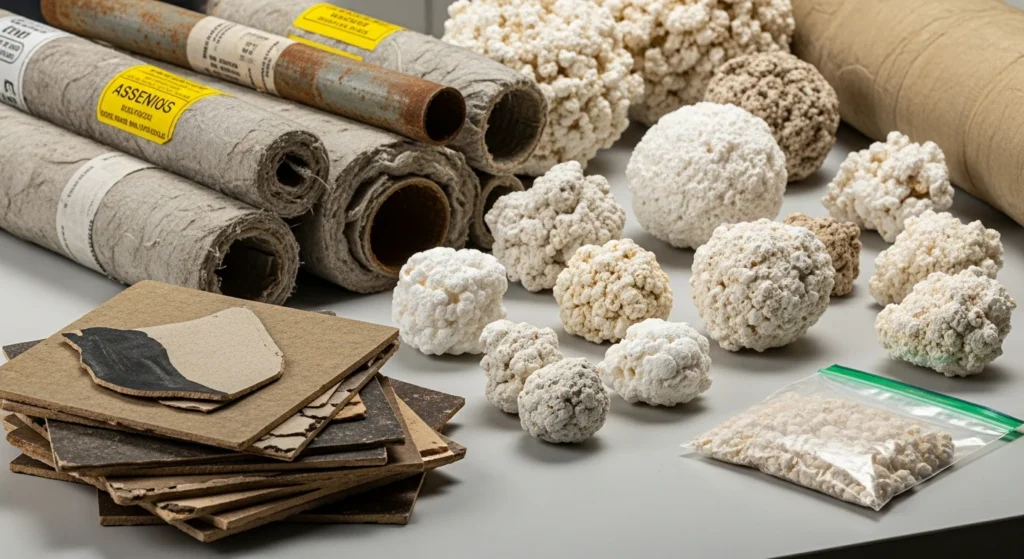
Thousands of Long Island homes have new flooring installed over original 9-inch vinyl asbestos tiles — and the black mastic adhesive beneath those tiles is almost always also asbestos-containing. This hidden ACM layer is the most frequently overlooked asbestos in Long Island residential renovation.
Pre-1960 vs. 1960-1980 Long Island Construction: Different Asbestos Profiles
The asbestos risk profile of a 1952 Cape Cod is materially different from a 1971 split-level — different materials, different concentrations, different abatement approaches. Long Island has both in enormous quantities, and understanding the construction-era-specific asbestos profile helps homeowners and contractors plan renovation and restoration projects accurately.
NYS DEC Code Rule 56: The Compliance Checklist for Long Island Renovation Projects
Code Rule 56 is New York State’s primary asbestos regulation governing renovation and demolition projects — it applies to every renovation project in Long Island buildings built before 1987, regardless of size. This is the complete compliance checklist for Long Island homeowners, contractors, and property managers.
Asbestos in HVAC Systems: When Duct Insulation and Plenum Lining Become Dangerous
Long Island homes built with oil-fired forced-air heating before 1975 frequently contain asbestos-containing duct insulation, plenum board, and air handler components. Understanding where HVAC asbestos is found, when it is dangerous, and what Code Rule 56 requires before any HVAC work helps Long Island homeowners and contractors avoid costly compliance failures.
Mold in HVAC Ductwork: Detection, Remediation, and Long Island Humidity Context
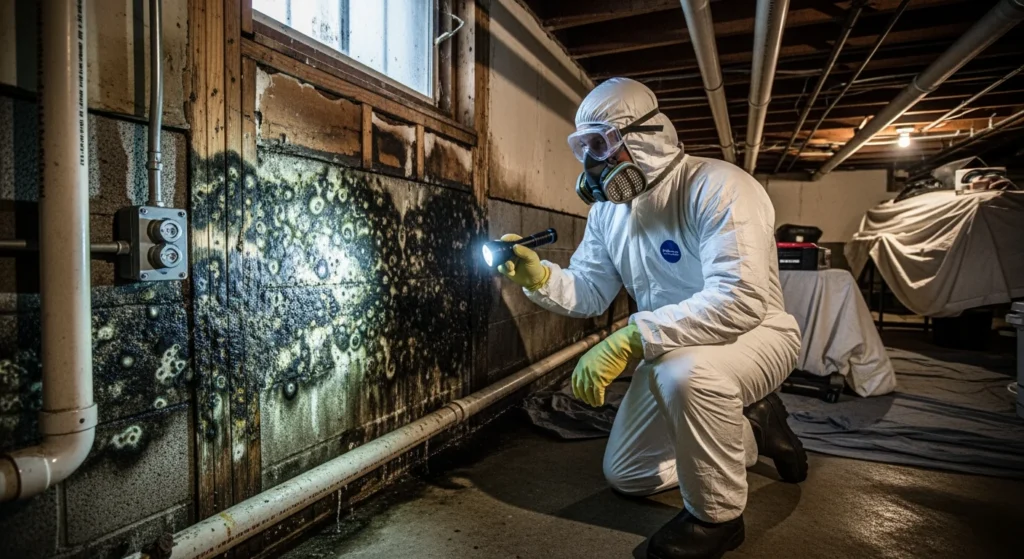
HVAC ductwork mold on Long Island is driven by the island’s 70%+ summer ambient relative humidity and the specific failure mode of improperly insulated supply ducts — when cold supply air flows through ductwork in humid space, condensation forms on the duct exterior and interior mold initiates. This is what detection and remediation looks like in Long Island’s residential systems.
Mold and Property Sales in New York: Disclosure, Remediation, and Closing Timelines
Mold discovery during a Long Island real estate transaction is one of the most time-pressured remediation scenarios — buyers, sellers, attorneys, and inspectors are all operating on contract timelines that may not align with Article 32 assessment and remediation requirements. This is what every party to a Long Island property transaction should know.
Cladosporium vs. Penicillium vs. Aspergillus: Long Island’s Three Most Common Mold Species
Three mold genera account for the overwhelming majority of residential mold found in Long Island homes — Cladosporium, Penicillium, and Aspergillus. Understanding where each thrives, what it looks like, and what its presence indicates about moisture conditions helps Long Island homeowners interpret assessment findings accurately.
Why Mold Returns After Remediation: The Assembly Correction Requirement
Mold remediation without assembly correction is the most common cause of mold recurrence in Long Island homes — the remediator removes the mold but leaves the moisture source intact, guaranteeing regrowth within one to two seasons. This is how to identify whether your remediation includes the correction that prevents recurrence.
Article 32 Work Plans: What a Compliant NYS Mold Remediation Plan Must Include
NYS Article 32 requires that a licensed mold assessor write a formal work plan before any mold remediation project of 10 square feet or more can proceed. This is what that work plan must include, what happens without one, and why Long Island homeowners should never hire a mold remediator who skips this step.
Post-Remediation Verification: What a Passing Mold Clearance Test Looks Like
NYS Article 32 requires post-remediation clearance testing by a licensed mold assessor separate from the remediator. Understanding what passing clearance tests actually require — and what constitutes a failed clearance — protects Long Island homeowners from contractors who sign off their own work.
