
Mold Remediation on Shelter Island, NY
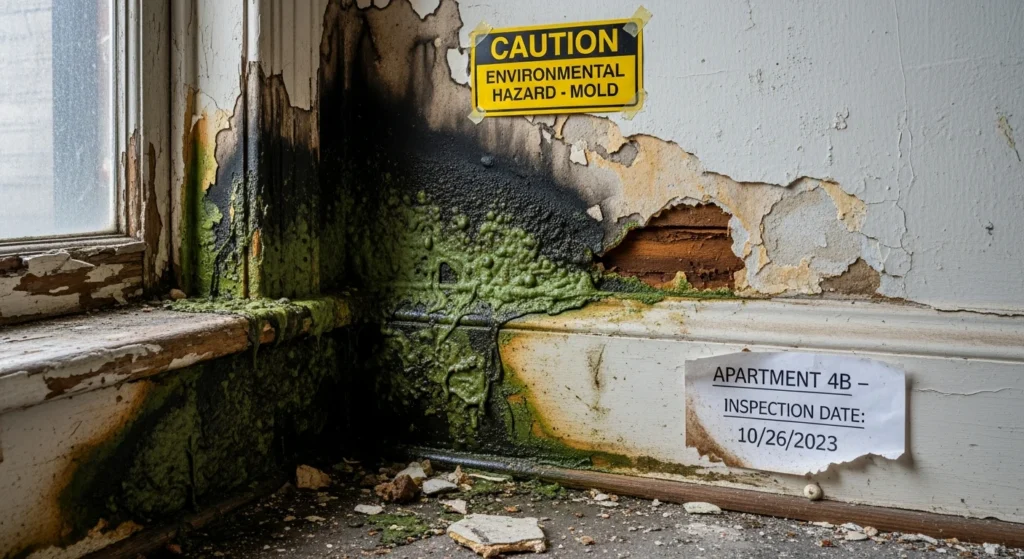
Shelter Island’s complete encirclement by Peconic Bay waters creates year-round ambient humidity above the Long Island average, making it the highest-humidity residential environment on Long Island — and the township where mold remediation faces the unique logistical constraint that every contractor, every piece of equipment, and every disposal container must cross by ferry.
Mold Remediation in the Town of Southold, NY
Southold’s North Fork mold profile combines seasonal vacancy losses similar to East Hampton’s pattern with the unique preservation challenge of the township’s 17th and 18th-century village structures, where mold in original timber framing and historic masonry assemblies requires approaches that differ fundamentally from modern construction remediation.
Mold Remediation in the Town of Riverhead, NY
Riverhead’s mold remediation profile is anchored by Peconic River flooding in its historic downtown — producing freshwater mold events in older commercial and residential structures — and by the township’s agricultural and rural residential stock where mold from structural moisture in older farm buildings and wood-framed cottages follows patterns distinct from suburban Long Island.
Mold Remediation in the Town of Southampton, NY
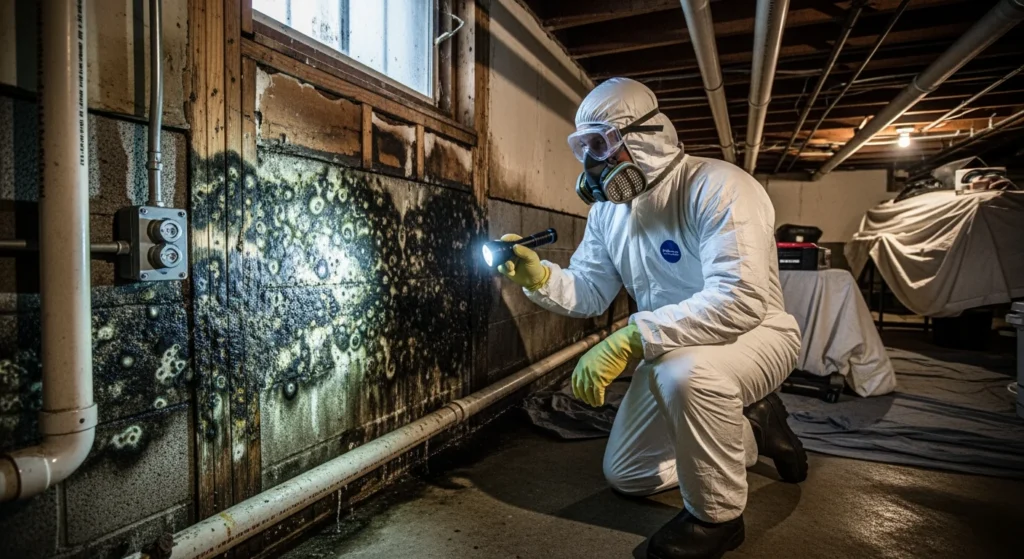
Southampton’s mold remediation landscape combines East Hampton’s seasonal vacancy mold risk in its high-value Hamptons corridor with the significant working-class south shore communities of Hampton Bays and Flanders where the mold profile more closely resembles western Suffolk’s recurring flood and aging infrastructure pattern.
Mold Remediation in the Town of East Hampton, NY
East Hampton’s mold remediation landscape is dominated by a pattern virtually unique on Long Island: high-value seasonal homes left vacant for extended winter periods without adequate humidity control, where a slow leak or failed heating system produces months of undiscovered moisture accumulation and mold that rivals the most severe single-event losses in scope and cost.
Mold Remediation in the Town of Smithtown, NY
Smithtown’s mold remediation profile is defined by its interior suburban character — the Nissequogue River watershed creates freshwater flooding events that produce different mold risk than the coastal bay water pattern, and the township’s 1960s–1980s split-level and Colonial housing stock carries the standard pre-1980 attic and below-grade family room mold vulnerabilities.
Mold Remediation in the Town of Brookhaven, NY
As New York’s largest township by area, Brookhaven’s mold remediation landscape spans Mastic Beach’s severe post-Sandy south shore legacy, Coram and Medford’s shallow water table hydrostatic basement mold, and Stony Brook and Port Jefferson’s north shore older construction — three distinct mold risk profiles in a single township covering 531 square miles.
Mold Remediation in the Town of Huntington, NY
Huntington’s mold remediation profile is shaped by the split-level below-grade family rooms of Huntington Station and Dix Hills — a housing type uniquely prone to condensation-driven mold from its below-grade configuration — and the north shore’s Sound-shore humidity amplification in older Cold Spring Harbor and Northport construction.
Mold Remediation in the Town of Islip, NY
Islip’s mold remediation workload spans Bay Shore and East Islip’s post-Sandy south shore legacy, Brentwood’s dense multi-family housing stock where mold in one unit typically indicates mold in adjacent units, and the island’s interior where Connetquot River flooding creates freshwater mold events distinct from the Category 3 bay water pattern on the coast.
Mold Remediation in the Town of Babylon, NY
Babylon’s south shore — built on marsh land one to two feet above sea level with recurrent Great South Bay flooding — creates a mold risk environment defined by Category 3 water legacy, inadequately dried flood events across multiple storm seasons, and a housing stock where original 1950s–1960s paper-faced drywall installed against unprotected foundation walls feeds mold at the first sign of moisture.
