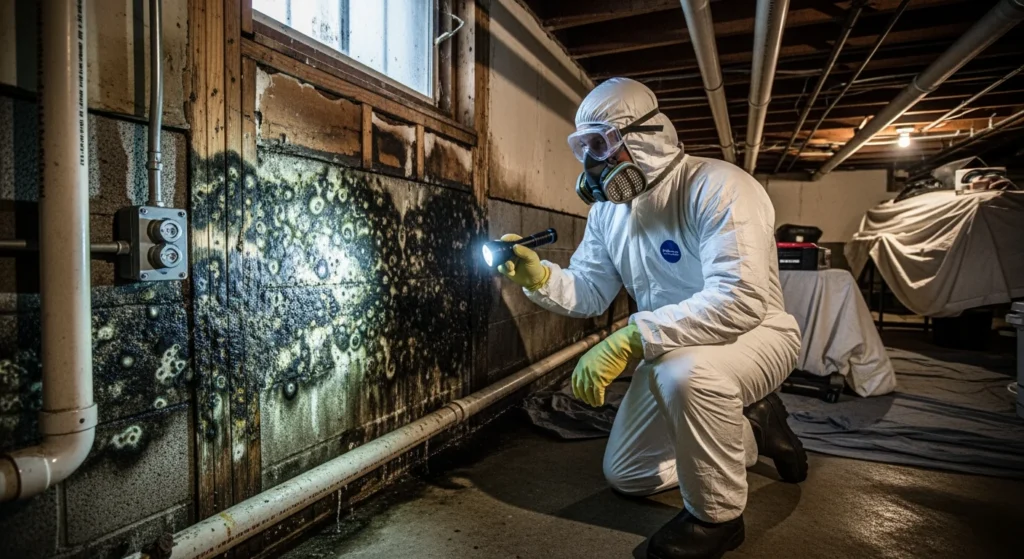
The Town of Smithtown’s mold remediation landscape reflects the township’s interior position — sheltered from Great South Bay flooding but shaped by Nissequogue River watershed events and the ambient humidity that affects all Long Island communities equally from June through September. Smithtown’s mold profile is less dominated by the post-Sandy legacy than its western Suffolk neighbors, because the township’s limited coastal exposure spared it from the Category 3 bay water contamination events that shaped Babylon and Islip’s mold risk. Instead, Smithtown’s mold demand comes from the standard interior Long Island pattern: attic mold in older construction, below-grade family room mold in split-levels, and freshwater flood events from the Nissequogue drainage system. For the regulatory framework, see the Long Island Mold Remediation Master Guide.
Nissequogue Watershed Flooding and Freshwater Mold
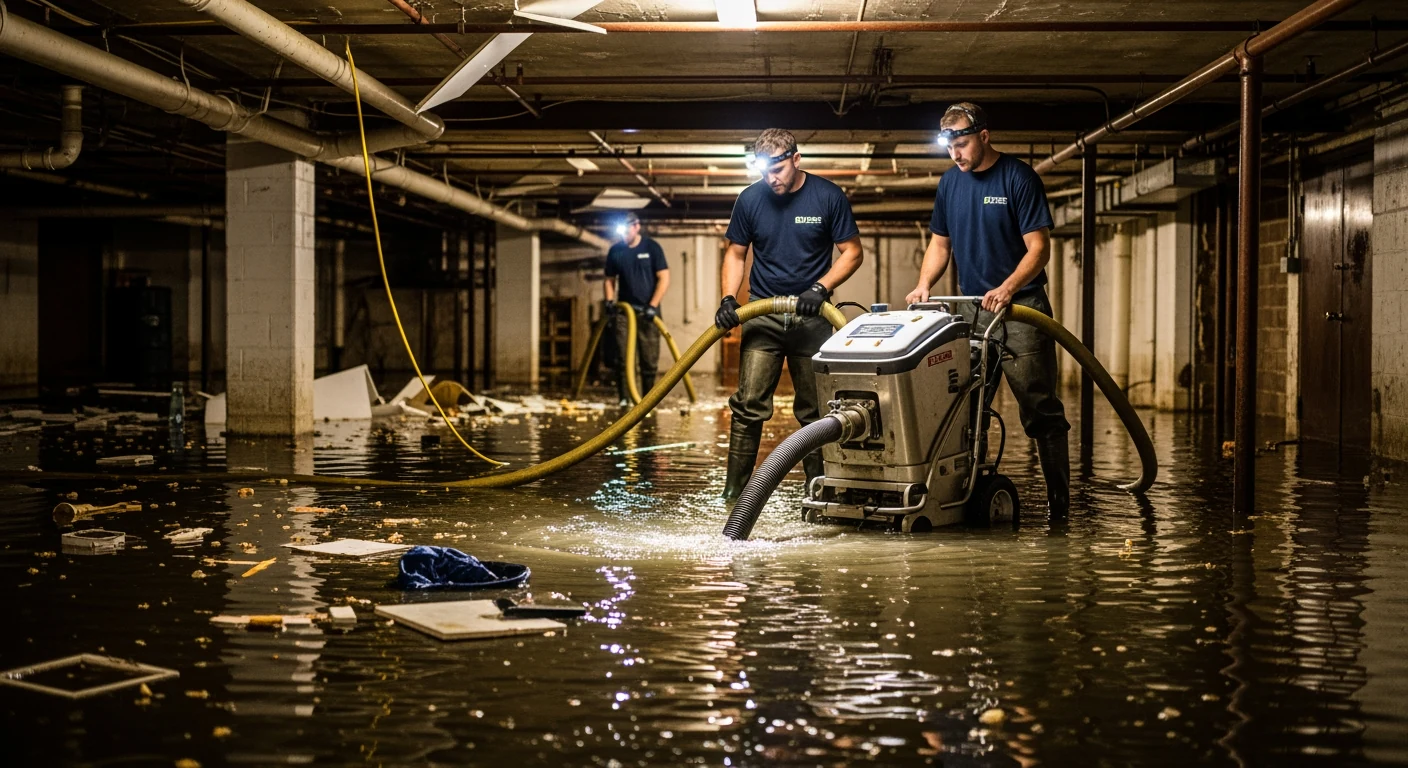
The August 2024 storm that flooded St. Andrew’s Cooperative Nursery School in Smithtown illustrated the Nissequogue watershed’s capacity for rapid, intense flooding during convective storms. Freshwater flooding from watershed drainage events — unlike Category 3 bay water flooding — produces Category 1 water damage that dries more predictably and does not require the decontamination protocol of salt water events. However, the mold risk from inadequately dried freshwater flooding is identical: if structural assemblies wetted by Nissequogue watershed flooding are not dried to below 15 percent moisture content within 72 hours, mold colonization initiates on paper-faced drywall and wood framing regardless of water category.
Kings Park’s older neighborhoods along the river corridor have the highest Smithtown mold risk from watershed flooding. Homes built in the 1950s and 1960s in low-lying Kings Park positions have experienced multiple Nissequogue flooding events and may carry the same hidden wall cavity mold accumulation pattern seen in repeatedly flooded western Suffolk communities, albeit from freshwater rather than Category 3 bay water sources.
The Hauppauge and Commack Interior Pattern
Hauppauge and Commack carry the standard interior Suffolk mold risk for their construction era. The significant commercial and light industrial base in Hauppauge creates commercial mold remediation demand that differs from residential work in its documentation requirements, business interruption considerations, and the scale of affected commercial spaces. Industrial facilities with high indoor humidity from manufacturing or storage processes, combined with building envelopes that may not be maintained to residential standards, can develop mold in HVAC systems and wall cavities that affects employee health and facility compliance.
Cost Benchmarks
- Kings Park Nissequogue watershed flood mold (Category 1 freshwater): $5,000–$15,000 for standard freshwater flood mold remediation. Less complex than south shore Category 3 mold, but requires full Article 32 assessment and clearance for any project 10 sq ft or more.
- Smithtown or Nesconset split-level below-grade family room: $6,000–$14,000 for condensation-driven mold with assembly correction.
- Hauppauge commercial facility mold: $8,000–$50,000+ depending on facility size and affected square footage.