
How to Assess Leak Damage in Your Long Island Home
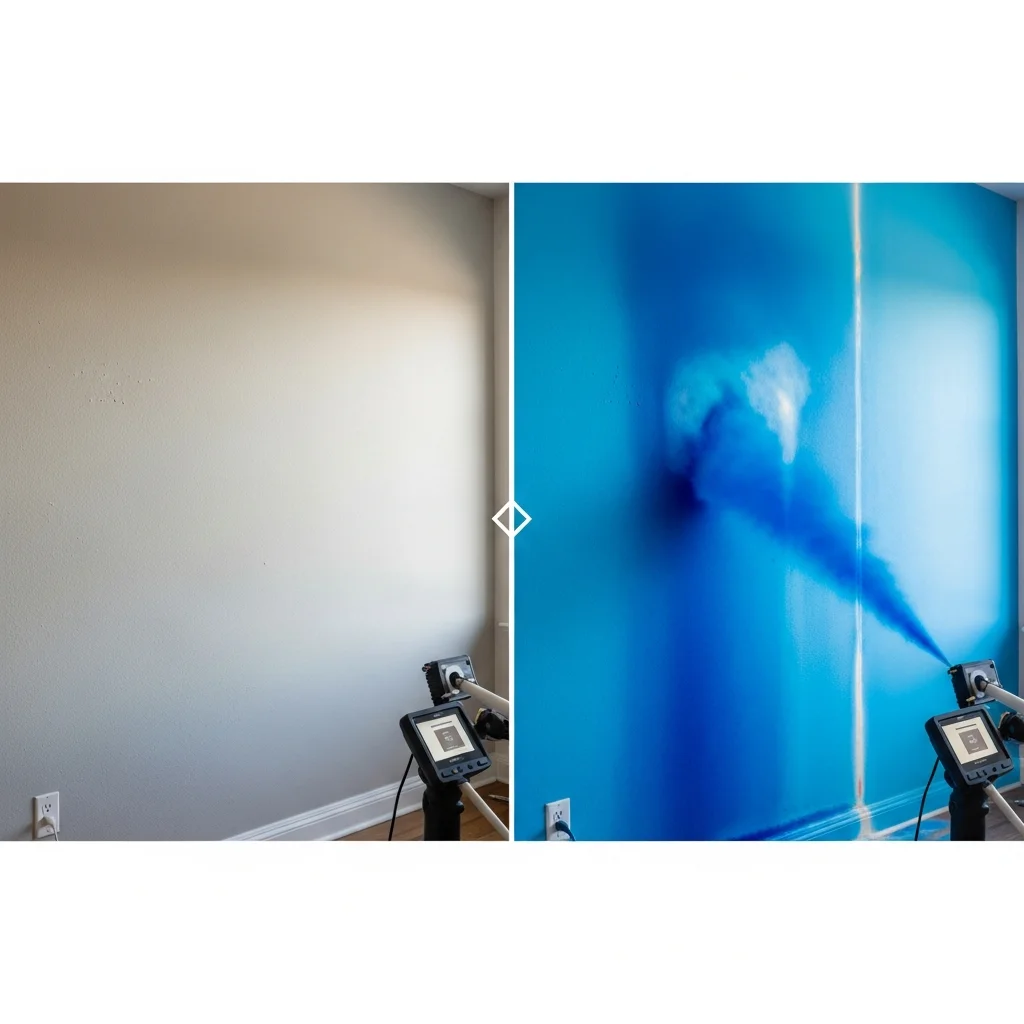
Assessing leak damage in a Long Island home requires identifying the source, mapping moisture extent with professional tools, and distinguishing cosmetic from structural damage. Step-by-step guide.
Protecting Your NYC Apartment Building from Flooding
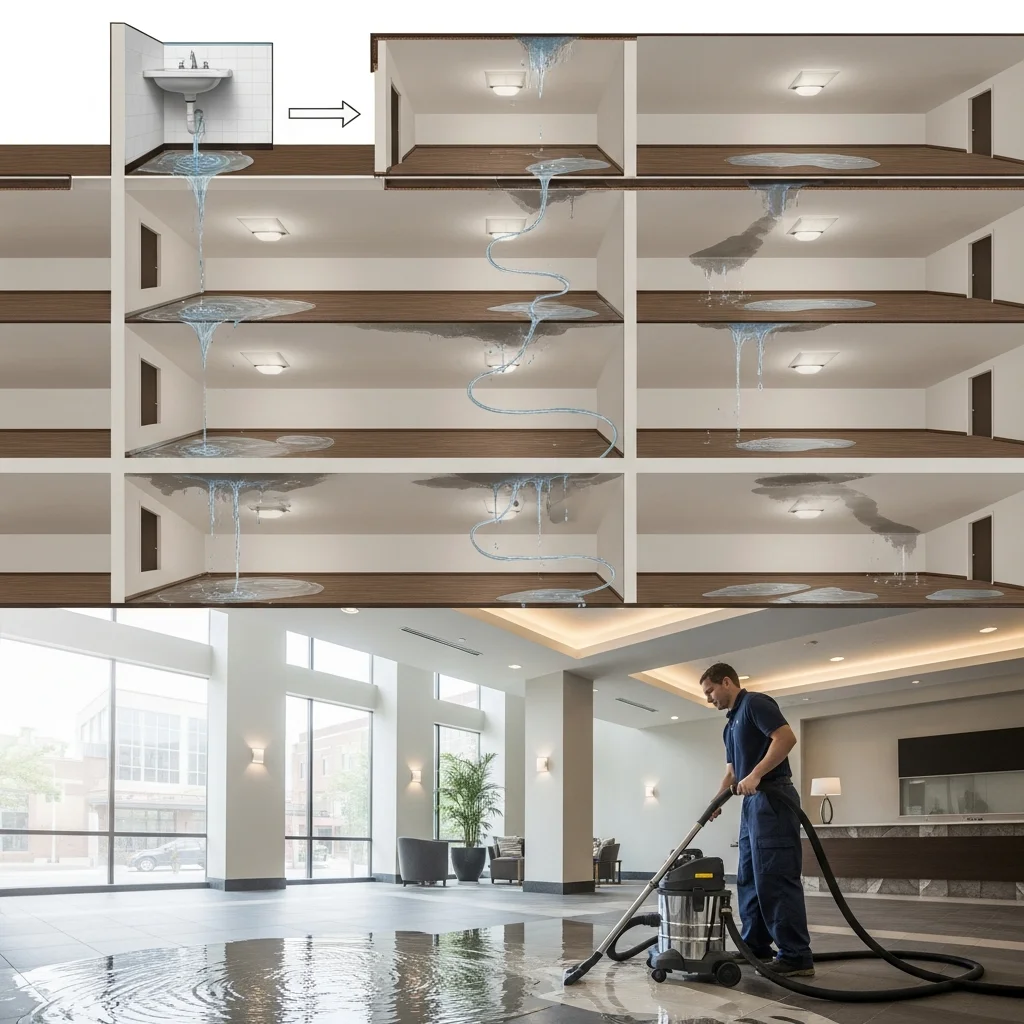
NYC apartment buildings face specific flooding risks from aging plumbing, combined sewer systems, and dense urban infrastructure. Proactive risk assessment and maintenance protocol guide for building owners and managers.
The Importance of Immediate Water Damage Restoration

Immediate response is the difference between manageable and catastrophic water damage. The 24-48 hour window for mold colonization makes professional same-day response essential for NYC and Long Island properties.
How to Read and Understand Real-Time Drying Logs for Insurance Claims
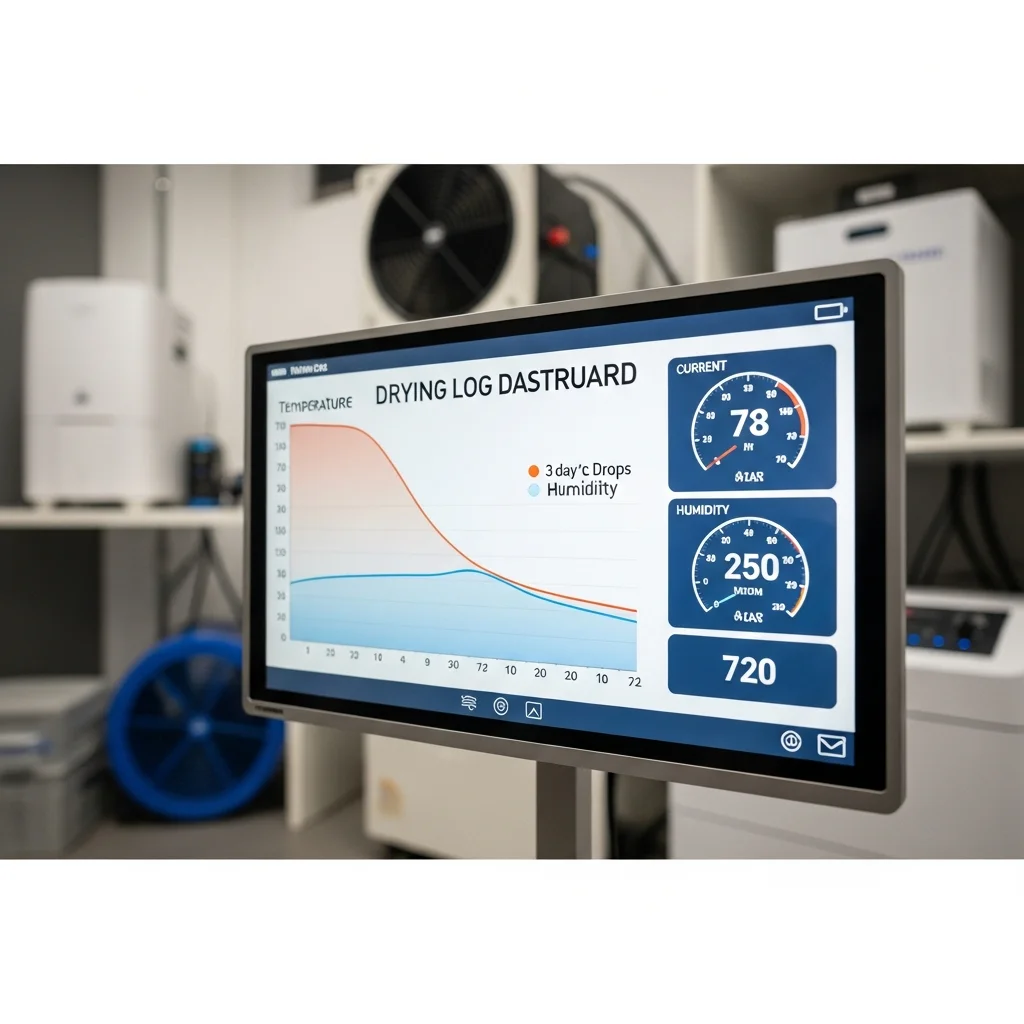
Drying logs are the primary evidence insurance carriers use to validate water damage claims. Complete guide to what a proper log contains, how to read the drying curve, red flags for fabricated logs, and dry standards by material type.
The 4 Classes and Categories of Water Damage
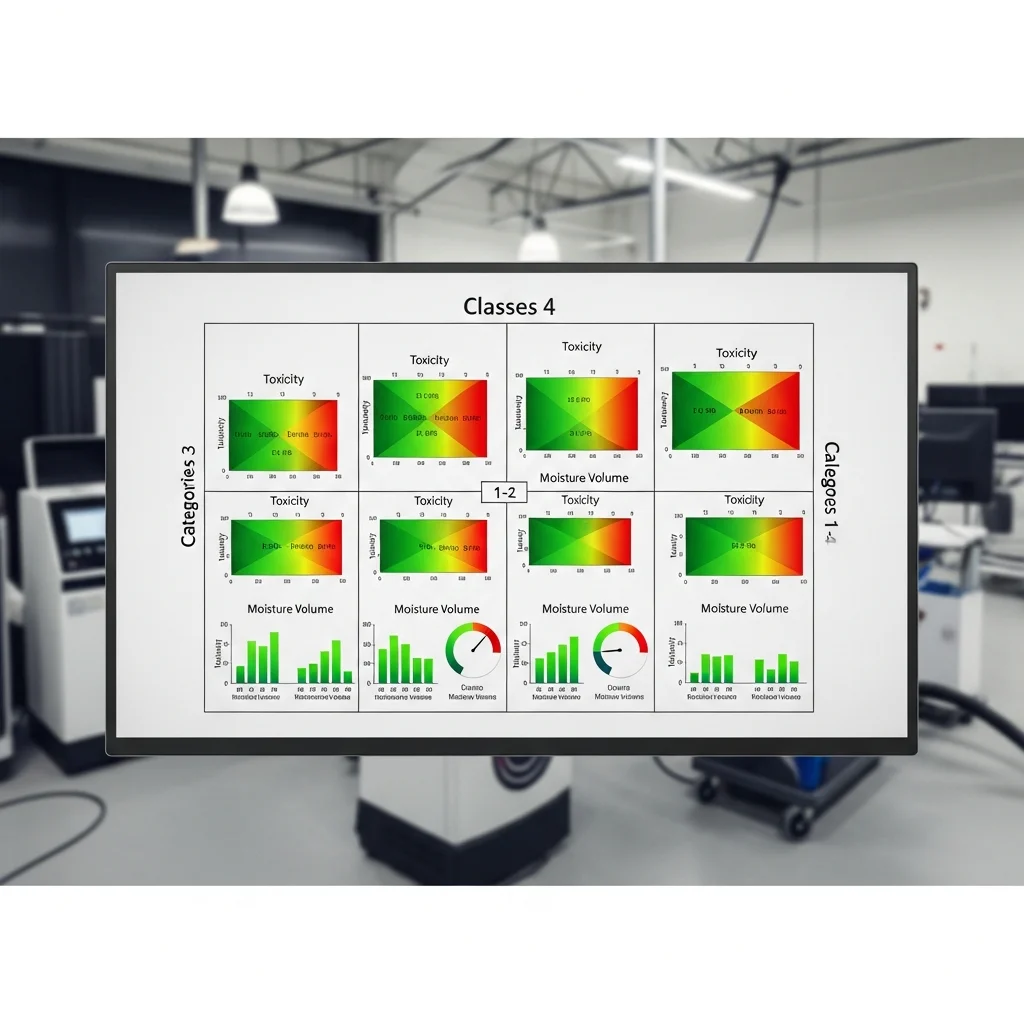
The IICRC S500 classifies water damage by contamination level (Categories 1–3) and drying difficulty (Classes 1–4). Understanding both systems lets NYC and Long Island property owners verify contractor scope and navigate insurance claims correctly.
Flood Damage Cleanup vs. Water Mitigation: Understanding the Difference
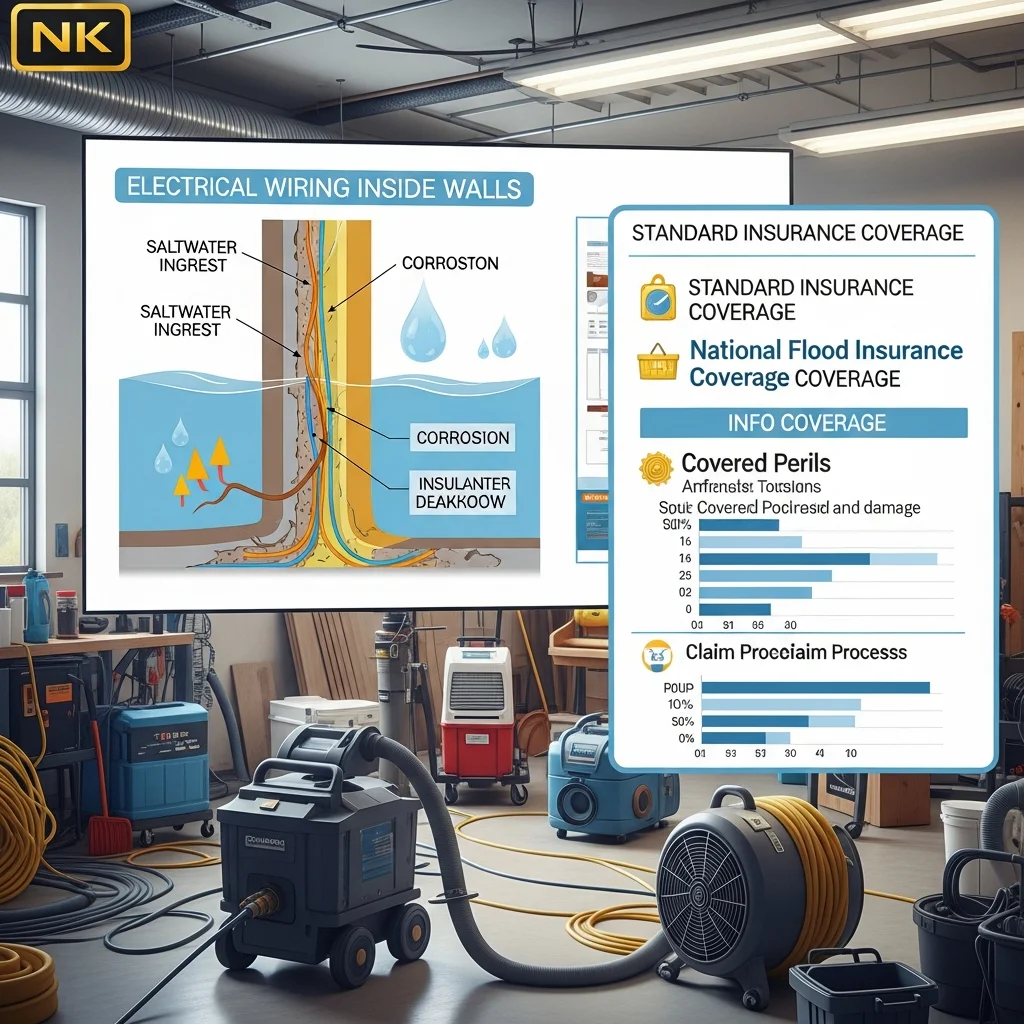
Water mitigation and flood damage are different problems with different contamination levels, different insurance coverage, and different cleanup protocols. Critical distinction for NYC and Long Island property owners.
The Ultimate Guide to Water & Flood Damage Restoration in Long Island & NYC
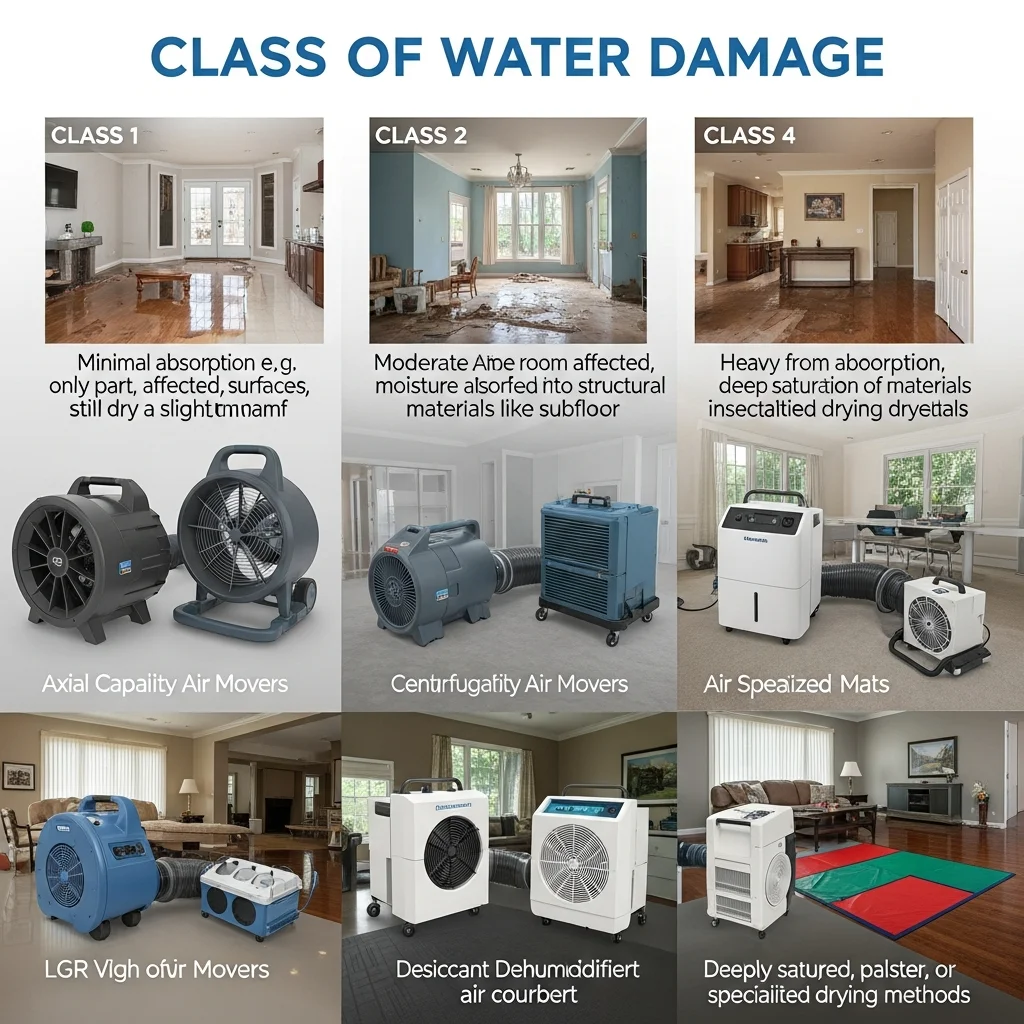
Water damage restoration in NYC and Long Island involves four sequential phases: emergency response, mitigation, mold assessment, and reconstruction — each with specific regulatory requirements. Complete 2026 guide.
Sewage Backup in NYC — What Category 3 Water Means and Why It Changes Everything (March 2026)
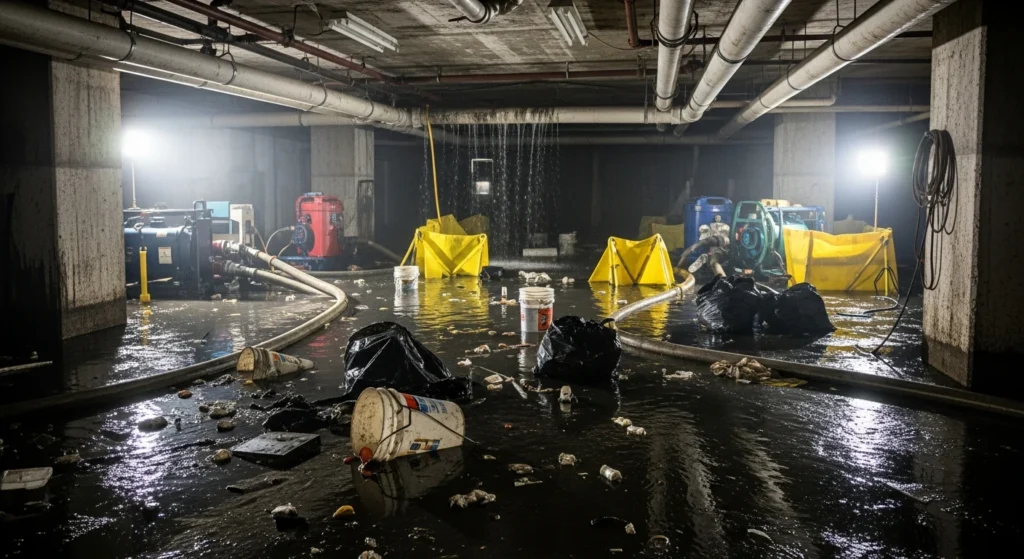
NYC’s combined sewer system overflows during major March storm events, driving Category 3 sewage backup into building drains. Here’s what must be removed, what insurance covers, and what HPD requires for landlord compliance.
Water Leaking from the Ceiling After Rain — A NYC Building Owner’s Diagnosis Guide (March 2026)
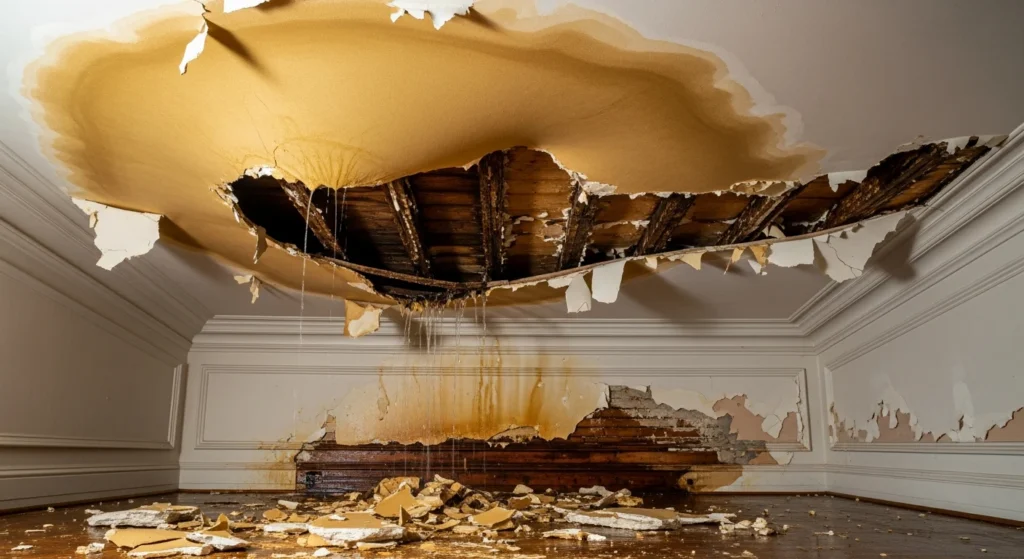
Ceiling water stains in NYC buildings are almost never directly below the actual leak source. Here’s the professional diagnosis framework — from parapet flashing to thermal imaging — and what HPD requires for tenant buildings.
The March Mold Discovery Problem — What Grew Over Winter in Your NYC Home
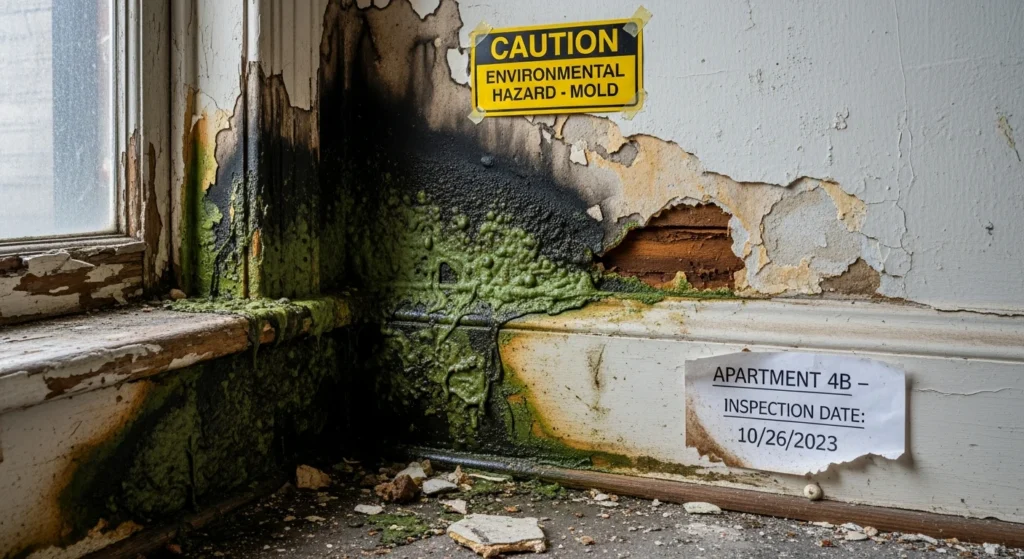
Mold that established in NYC buildings during winter moisture events reaches detection in late February and March. Here’s the growth timeline, what species to expect, and what New York State Article 32 actually requires.
