
Fire and Smoke Damage Restoration in the Town of Brookhaven, NY
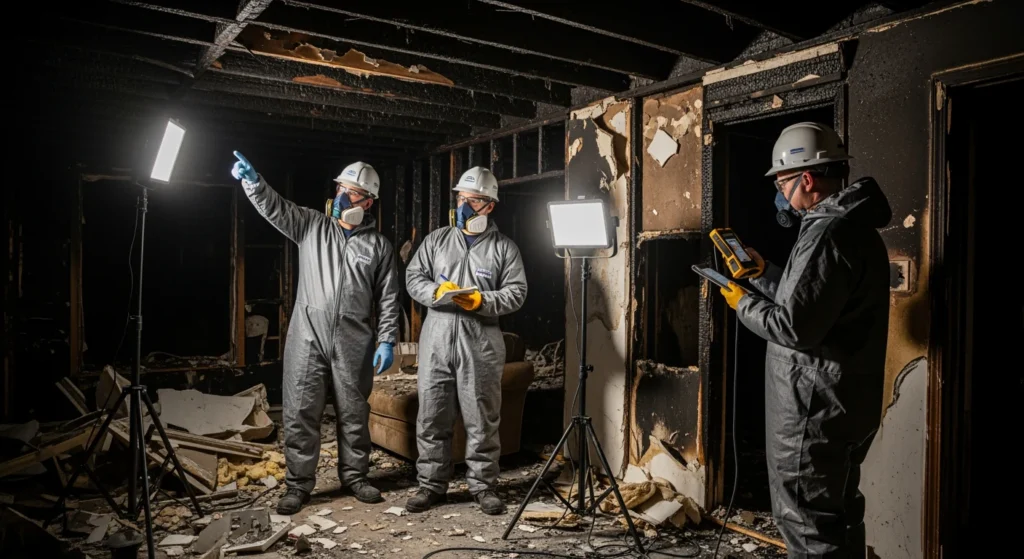
Brookhaven is the only Long Island township where wildfire smoke and structural fire restoration intersect: the Pine Barrens that cover central Brookhaven burned in 1989, 1995, and 2012, and the March 2025 Westhampton fires burned over 400 acres of Brookhaven’s southern Pine Barrens, threatening homes and requiring emergency response from over 90 fire departments.
Fire and Smoke Damage Restoration in the Town of Huntington, NY
Huntington’s fire restoration profile is defined by the electrical fire risk in its pre-war and early post-war north shore construction — Cold Spring Harbor and Centerport’s older homes carry knob-and-tube and aging panel risk — and the puffback pattern from the township’s widespread oil heat in Huntington Station and Dix Hills split-levels.
Fire and Smoke Damage Restoration in the Town of Islip, NY
Islip’s fire restoration profile is shaped by its size and diversity: Great South Bay south shore communities where fire damage compounds with storm surge flooding risk, Brentwood’s dense multi-family residential where kitchen fires dominate, and the township’s significant commercial and light industrial base in Hauppauge and Bohemia where commercial fire losses require large-scope restoration teams.
Fire and Smoke Damage Restoration in the Town of Babylon, NY
Babylon carries one of the most distinctive fire restoration facts on all of Long Island: during Hurricane Sandy’s October 2012 storm surge, two homes — one in West Babylon, one in Lindenhurst — caught fire while submerged in floodwater and burned continuously until both had to be demolished by payloaders because fire apparatus could not reach them. That compound fire-plus-flood scenario, while extreme, illustrates the unique convergence risks facing Babylon’s south shore.
Fire and Smoke Damage Restoration in the Town of Oyster Bay, NY
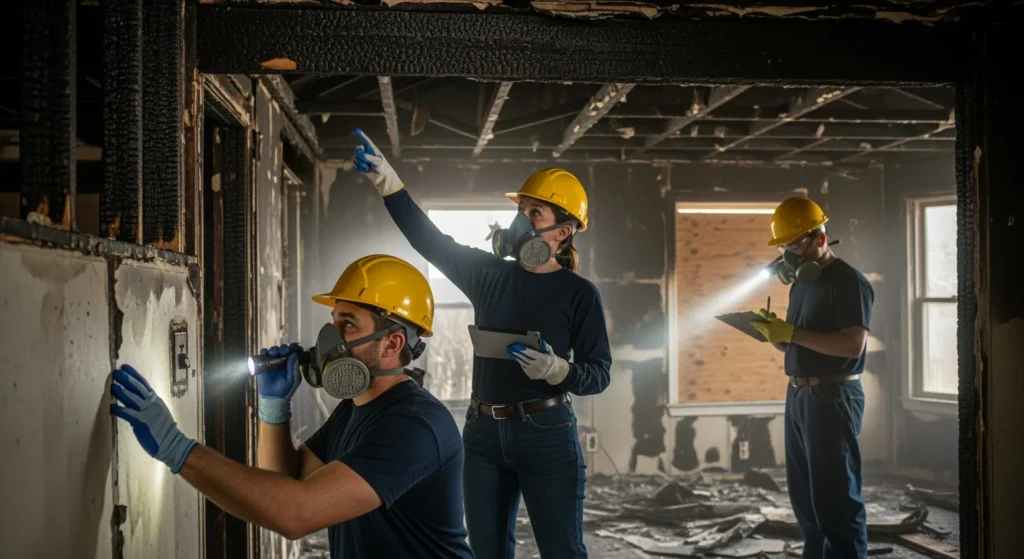
Oyster Bay’s fire restoration profile spans puffback from oil heat in Hicksville and Massapequa’s dense 1960s stock, the historic electrical system risk of Cold Spring Harbor and Oyster Bay village’s older construction, and the density-driven fire spread risk in the township’s highest-population communities of Hicksville and Plainview.
Fire and Smoke Damage Restoration in the Town of North Hempstead, NY
North Hempstead’s fire restoration profile is defined by the electrical system age in its pre-war Gold Coast estates — where knob-and-tube wiring and 60-amp service panels create fire risk that newer construction does not carry — and the protein smoke and kitchen fire pattern common in the township’s dense interior multi-family communities.
Fire and Smoke Damage Restoration in the Town of Hempstead, NY
Hempstead’s fire restoration profile is dominated by two scenarios unique to Nassau County’s oldest building stock: furnace puffback from aging oil-fired heating systems in Levittown-era Cape Cods, and the mandatory asbestos abatement protocol that applies to every pre-1980 fire demolition scope in a township where the majority of homes predate 1978.
Fire & Smoke Damage Restoration Long Island: The Complete Nassau & Suffolk County Guide
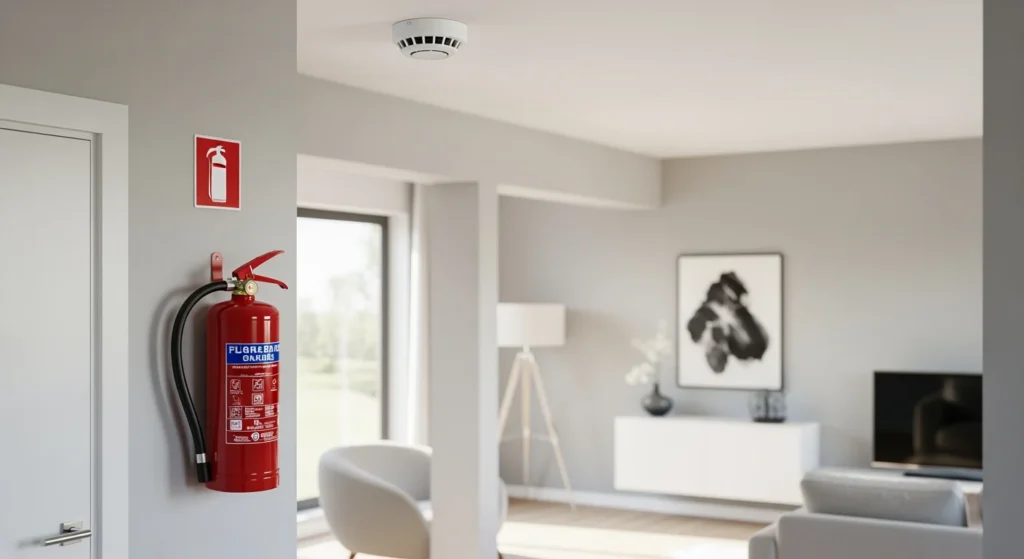
Fire and smoke damage restoration on Long Island involves a unique convergence of older building materials, asbestos abatement requirements in pre-1980 housing, furnace puffback events in heating-heavy winters, and complex insurance claims across Nassau and Suffolk Counties.
