
Fire Damage Restoration in Suffolk County, NY: Complete 2026 Guide
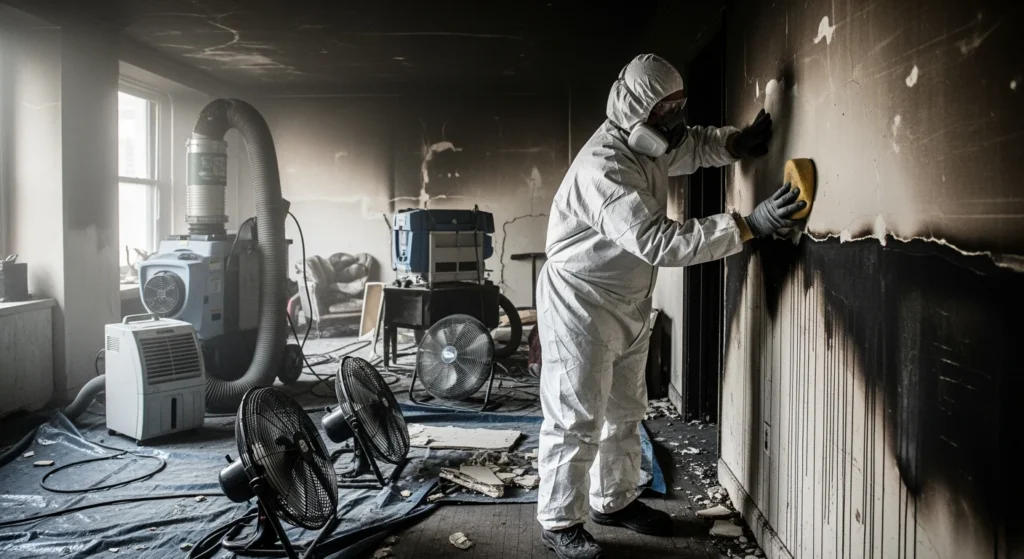
Fire damage restoration in Suffolk County, NY — oil heat puffback in western Suffolk, East End seasonal properties, asbestos in pre-1980 demolition, and 2026 cost benchmarks from Babylon to the Hamptons.
Fire Damage Restoration in Nassau County, NY: Complete 2026 Guide

Fire damage restoration in Nassau County, NY — Cape Cod and split-level fire risk, furnace puffback in Nassau’s oil-heat stock, NYSDFS claim rights, asbestos in pre-1980 demolition, and 2026 cost benchmarks for all Nassau communities.
Water Damage Restoration Suffolk County NY: Complete 2026 Guide
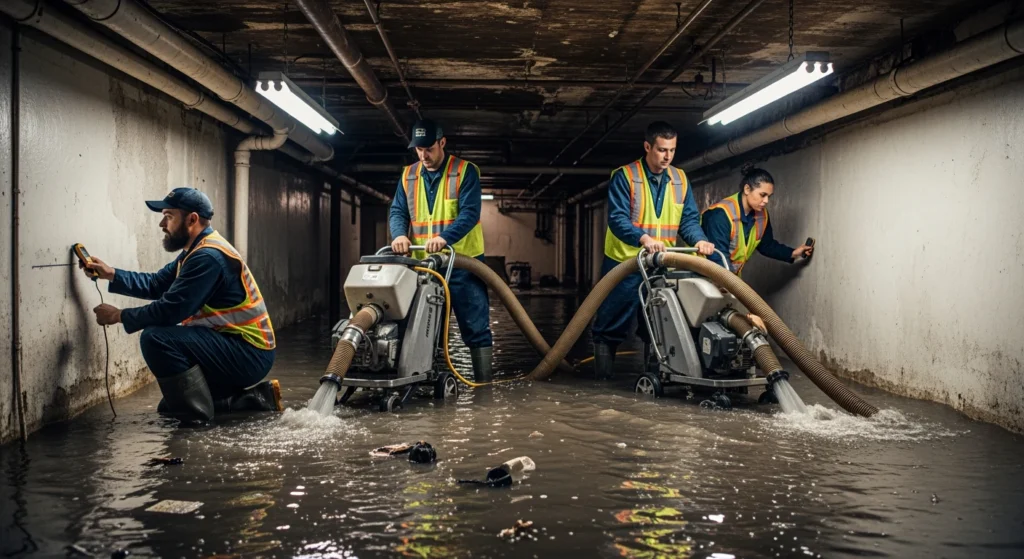
Complete guide to water damage restoration in Suffolk County, NY — township flood risk from Babylon to the Hamptons, crawlspace restoration, furnace puffback, NFIP flood insurance, NYS Article 32 mold requirements, and 2026 cost benchmarks.
Fire Damage Restoration Long Island: Cape Cod Risks, NYSDFS Claims & Xactimate Guide (2026)
Fire damage restoration guide for Long Island homeowners — Cape Cod structural fire risk, furnace puffback, NYSDFS insurance claim rights and timelines, Xactimate line items adjusters omit, asbestos in fire claims, and 2026 cost breakdown for Nassau and Suffolk County.
Fire and Smoke Damage Restoration on Shelter Island, NY
Shelter Island presents Long Island’s most logistically complex fire restoration scenario: every restoration contractor, every piece of equipment, and every material must cross by ferry, fire apparatus from mutual aid departments faces the same ferry constraint during a major fire event, and the island’s historic construction stock creates preservation-sensitive restoration requirements on top of the access challenge.
Fire and Smoke Damage Restoration in the Town of Southold, NY
Southold’s fire restoration profile combines the seasonal vacancy fire risk common to East End townships — delayed discovery in vacant North Fork homes — with the preservation challenge of Greenport’s historic maritime village structures and the unique logistical consideration that the North Fork’s rural character means longer fire department response times for properties outside established hamlet centers.
Fire and Smoke Damage Restoration in the Town of Riverhead, NY
Riverhead’s fire restoration profile is defined by its position at the boundary of the Long Island Pine Barrens — the 1995 Sunrise Fire burned toward Riverhead-adjacent territory — and by the historic commercial building stock in downtown Riverhead where fire in 19th-century mixed-use construction presents preservation and asbestos challenges unique to the East End.
Fire and Smoke Damage Restoration in the Town of Southampton, NY
Southampton’s fire restoration profile spans the Westhampton Pine Barrens wildfire interface — where the March 2025 fires burned hundreds of acres and damaged buildings near Gabreski Airport — to the high-value Bridgehampton and Southampton Village corridor where fire losses involve premium construction, historic preservation requirements, and specialty contents restoration.
Fire and Smoke Damage Restoration in the Town of East Hampton, NY
East Hampton’s fire restoration profile is defined by two scenarios: high-value seasonal home fires discovered during or after vacancy periods — where firefighting water damage compounds with fire scope in structures built with premium materials — and the township’s direct Atlantic hurricane exposure that creates structure-compromising wind events concurrent with fire risk.
Fire and Smoke Damage Restoration in the Town of Smithtown, NY
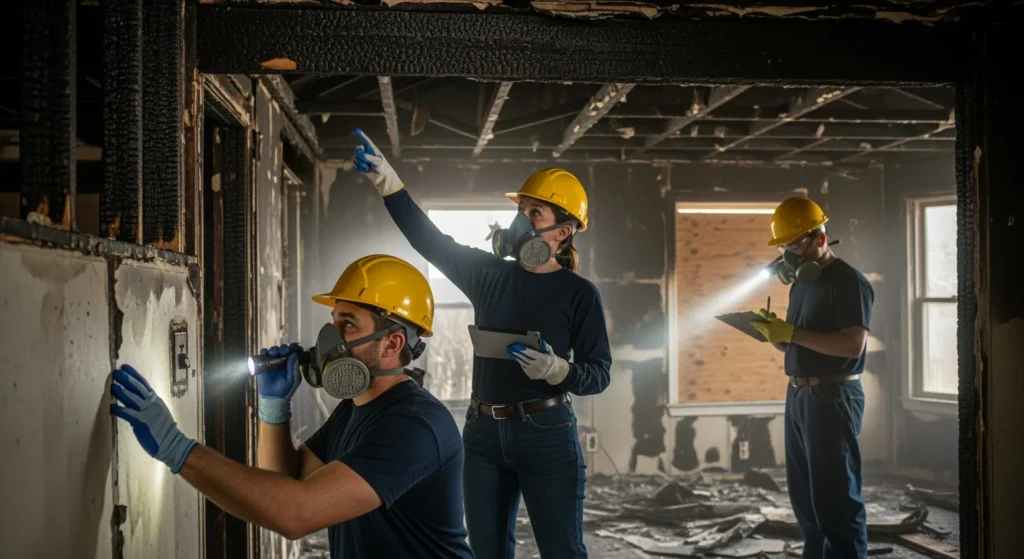
Smithtown’s fire profile is shaped by its 1960s-1980s split-level and Colonial stock — puffback from oil heat in Kings Park and Smithtown hamlet, joint compound asbestos abatement requirements before any pre-1978 demolition, and the commercial fire restoration demand generated by Hauppauge Industrial Park at the township’s southern border.
