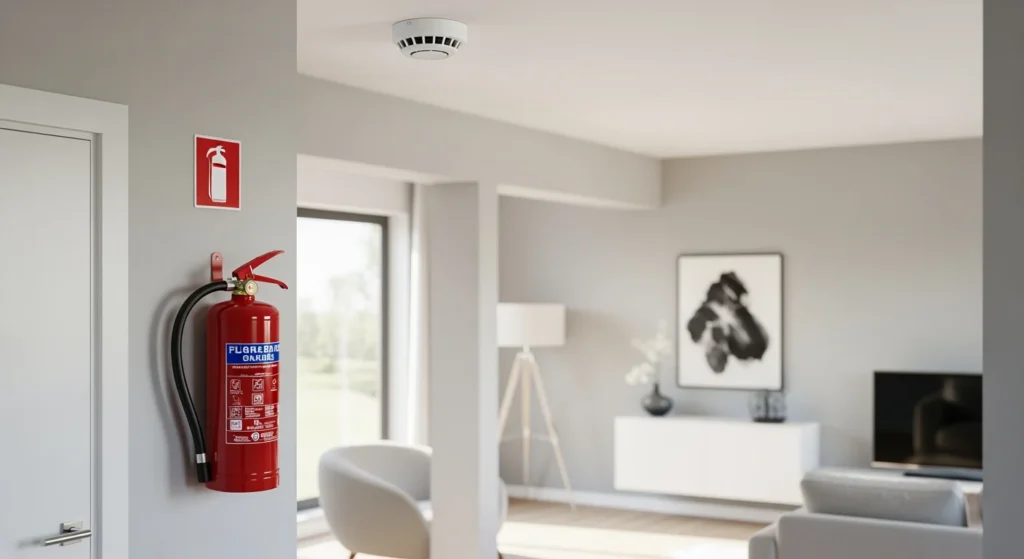
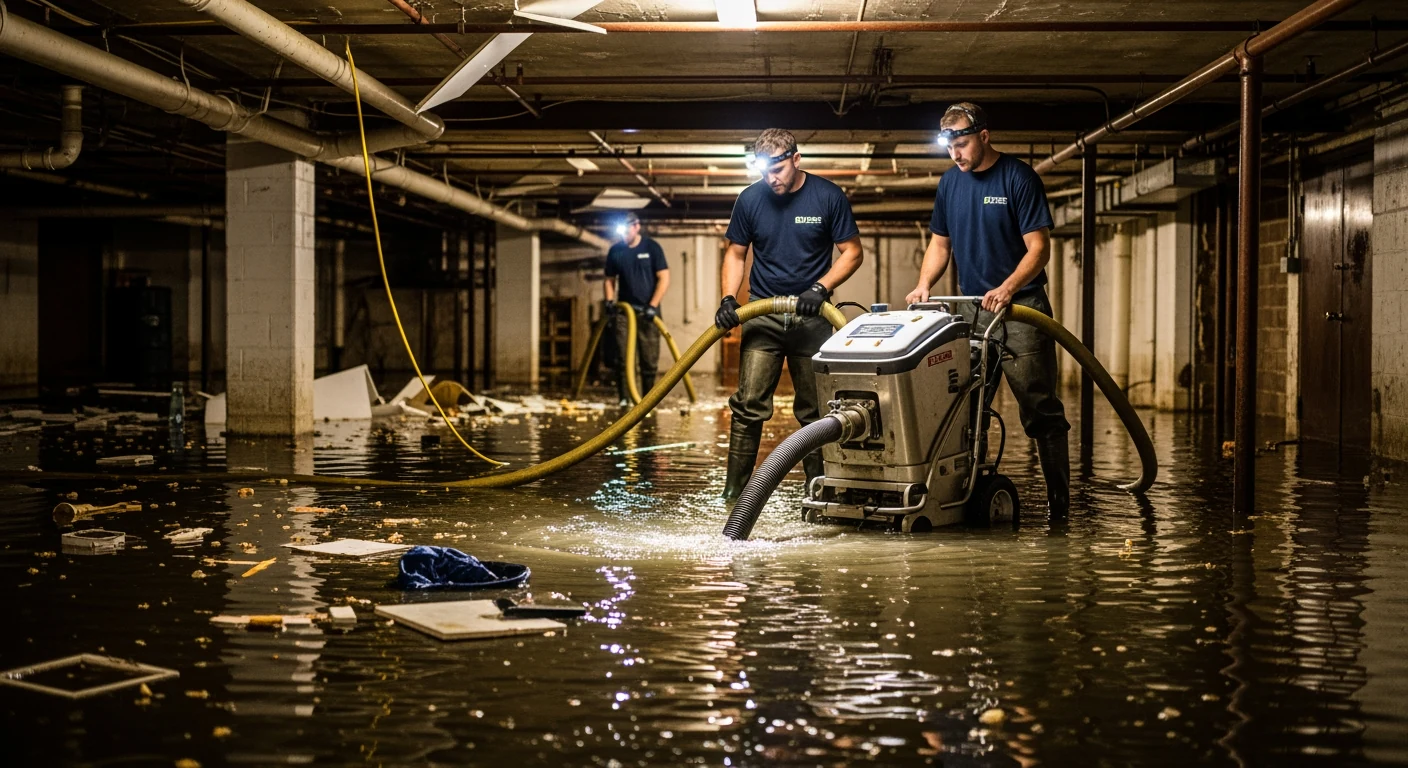
Fire Damage Restoration in Nassau County, NY: What Homeowners Need to Know in 2026
Nassau County’s fire damage restoration landscape is defined by its housing stock: 482,000 homes built to a median year of 1955, predominantly post-war Cape Cods, split-levels, and ranches with oil-fired heating systems, original or one-generation-updated electrical, and construction that predates modern fire-resistant building practices. When fire occurs in Nassau County — whether from a kitchen grease event, an oil furnace puffback, an electrical fault, or a structure fire — the restoration that follows operates in a building environment with specific characteristics that drive both the scope of work and the cost.
Nassau County Fire Risk Profile
Oil heat and furnace puffback is a defining feature of Nassau County’s fire damage pattern. The county’s high proportion of oil-fired heating systems — oil heat is far more common in Nassau’s older housing stock than natural gas — creates a specific soot distribution event essentially unique to the Northeast: furnace puffback. When accumulated unburned fuel oil ignites explosively in the combustion chamber, petroleum-based soot is ejected through the duct system throughout the entire heated space. Puffback events peak in November through January when oil burners that sat dormant through summer are restarted. Whole-house puffback cleanups in Nassau County’s typical 1,500–2,500 square foot home run $15,000–$25,000 because the cleaning scope is every room, every surface, plus HVAC decontamination.
Cape Cod attic void spread: Nassau County’s densely prevalent Cape Cod configuration — the 1.5-story home with a horizontal attic void running the full length — creates a lateral smoke and fire pathway unique to this housing type. Fire originating on the first floor travels through the attic void before breaking through the roof, causing damage throughout the attic assembly and second-floor ceiling that is not apparent from the ground-floor fire pattern. Every significant Cape Cod fire restoration in Nassau County should include attic access, inspection, and scope — adjusters who write scope only to the visible burn area underscope these jobs.
Pre-1980 electrical in Nassau County’s older housing stock — aluminum branch circuit wiring in 1960s–70s construction, original knob-and-tube in pre-1940 homes — is a significant fire risk. Electrical fires from failing aluminum connections or deteriorated K&T typically originate in wall cavities, producing damage not visible on the surface until the fire has traveled. These fires require wall cavity inspection and documentation beyond what is visible on initial walk-through.
Asbestos in Nassau County Fire Restorations
Any fire restoration in Nassau County involving demolition of pre-1980 construction requires a pre-demolition asbestos survey under NYS Code Rule 56. Floor tiles, pipe insulation, joint compound, and other ACMs disturbed during fire-related demolition must be abated by a licensed NYS DOL contractor before reconstruction begins. This is not an optional step — it is a legal requirement and a claim-legitimate cost that belongs in the Xactimate scope of the fire restoration project.
NYSDFS Insurance Claim Rights for Nassau County Homeowners
New York State Department of Financial Services regulations require your insurer to acknowledge a fire claim within 15 business days and act on a completed claim within 15 business days. Every Nassau County homeowners policy includes a binding appraisal clause for loss amount disputes. Additional Living Expenses (ALE) coverage pays for temporary housing, meals, and other displacement costs during restoration — typically 20–30% of dwelling coverage. Document ALE expenses from day one with receipts and a daily log.
Fire Damage Restoration Costs in Nassau County (2026)
Minor loss (contained kitchen fire, puffback, isolated electrical — no structural damage): $8,000–$25,000. Moderate loss (one to two rooms with structural involvement, suppression water damage, attic involvement in Cape Cod): $25,000–$80,000. Major loss (multi-room structural, full demolition, asbestos abatement, complete reconstruction): $80,000–$200,000+. Nassau County costs run above national averages due to asbestos abatement requirements in pre-1980 stock, local labor rates, and disposal costs.
See our complete fire damage insurance guide for detailed Xactimate line items, NYSDFS claim rights, and the full cost breakdown.