Mold remediation is an unregulated industry in many states, which means the quality and completeness of contractor proposals varies enormously. Homeowners comparing bids from two mold remediation companies are often comparing proposals that are not describing the same work — one may include containment and clearance testing while the other proposes to clean visible surfaces and call it done. Knowing what a complete scope of work looks like is essential to evaluating proposals fairly and protecting your home.
What a Complete Mold Remediation Scope Should Include
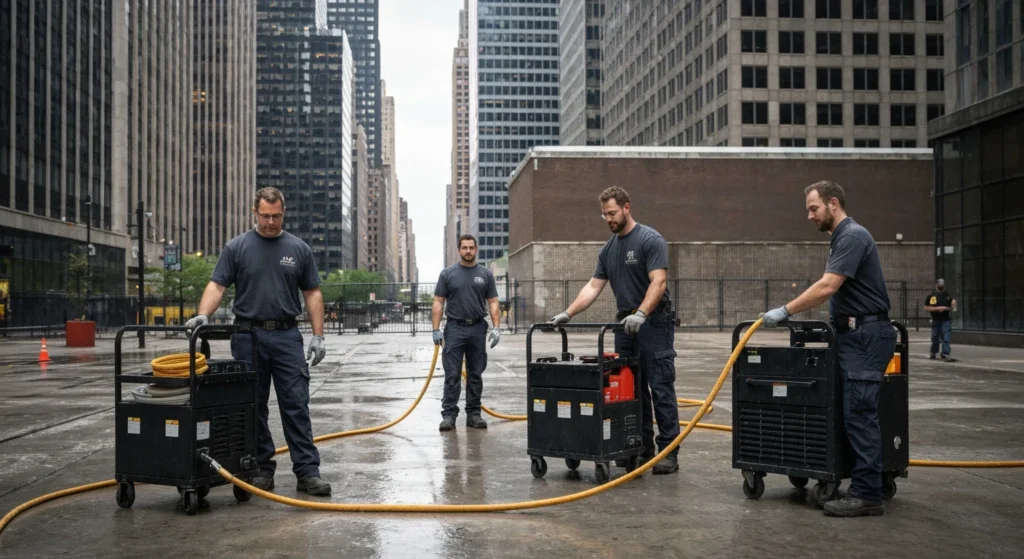
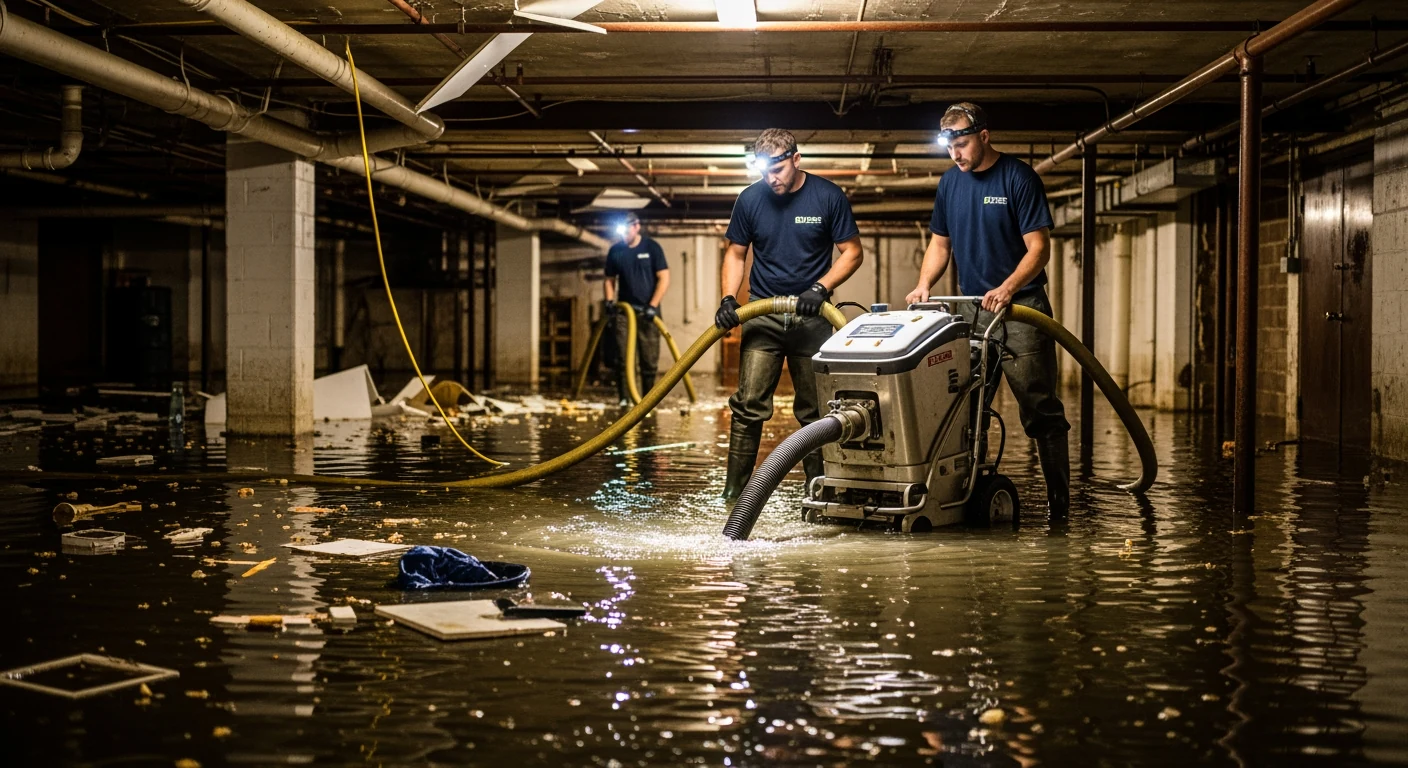
A comprehensive mold remediation scope of work should address: pre-remediation air quality testing (or reference to existing industrial hygienist testing results), physical containment of the work area with polyethylene sheeting and negative air pressure using HEPA-filtered air scrubbers, personal protective equipment requirements for workers, specific materials to be removed (with linear or square footage), methods for treating remaining structural surfaces (HEPA vacuuming, antimicrobial application), debris removal and disposal procedures, and post-remediation clearance testing by an independent third party. Every one of these elements should be explicitly described.
The Clearance Testing Requirement
Post-remediation clearance testing by an independent industrial hygienist is the only objective confirmation that the remediation was successful. A contractor who performs their own clearance testing has an inherent conflict of interest — they are confirming the quality of their own work. Reputable contractors require independent clearance testing. Proposals that do not include clearance testing or that offer in-house clearance testing should be viewed with skepticism.
Containment: Why It Matters and What Real Containment Looks Like
Mold spores released during remediation can migrate throughout a building if the work area is not properly contained. Real containment involves sealing all openings with polyethylene sheeting, establishing negative air pressure so that air moves from clean areas toward the contained work area, and maintaining that pressure throughout the demolition and cleaning process. A contractor who opens up a mold-affected wall without establishing containment is potentially spreading spores to previously unaffected areas of the home.
Red Flags in Mold Remediation Proposals
Specific warning signs in proposals: no mention of containment or negative air pressure; clearance testing described as visual inspection only; antimicrobial treatment applied to all surfaces regardless of material (antimicrobials do not substitute for removing contaminated porous materials); scope that covers only visible mold without addressing moisture source; and pricing that is dramatically lower than other proposals without explanation.
Frequently Asked Questions
Should I hire the same company to do remediation and post-remediation testing?
No. Post-remediation clearance testing should always be performed by an independent industrial hygienist or environmental testing firm that has no financial relationship with the remediation contractor. In New York, the industrial hygienist who designs the remediation protocol should be a separate party from the contractor who performs the physical work.