Insurance claims for property damage are ultimately supported or undermined by documentation. The homeowner or property manager who takes the time to create a thorough record at each stage of a restoration project is in a significantly stronger position than one who relies on memory and a few photographs taken after cleanup began. This is a practical guide to the documentation practices that support successful insurance claims.
Before Cleanup Begins: The Critical Window
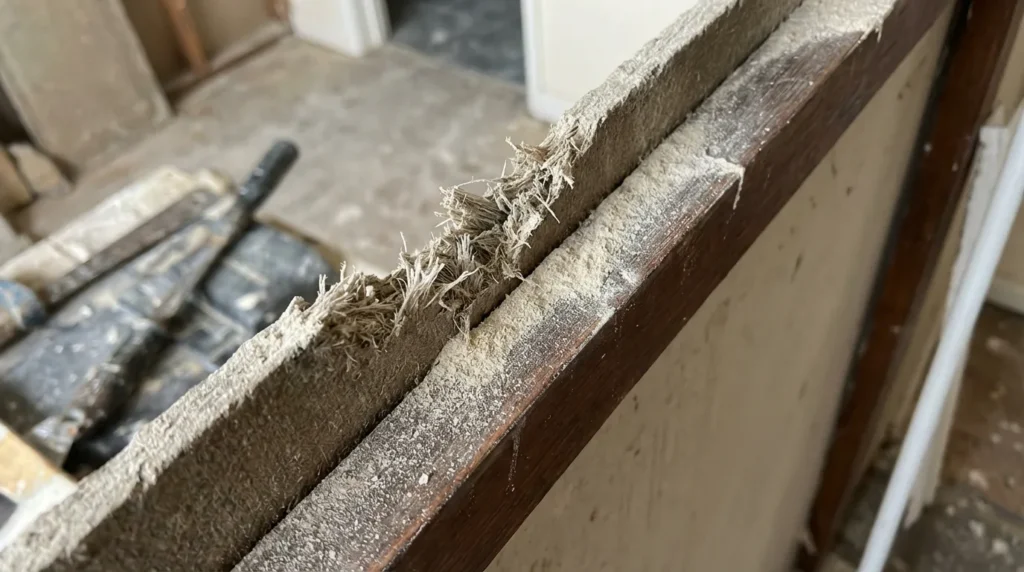
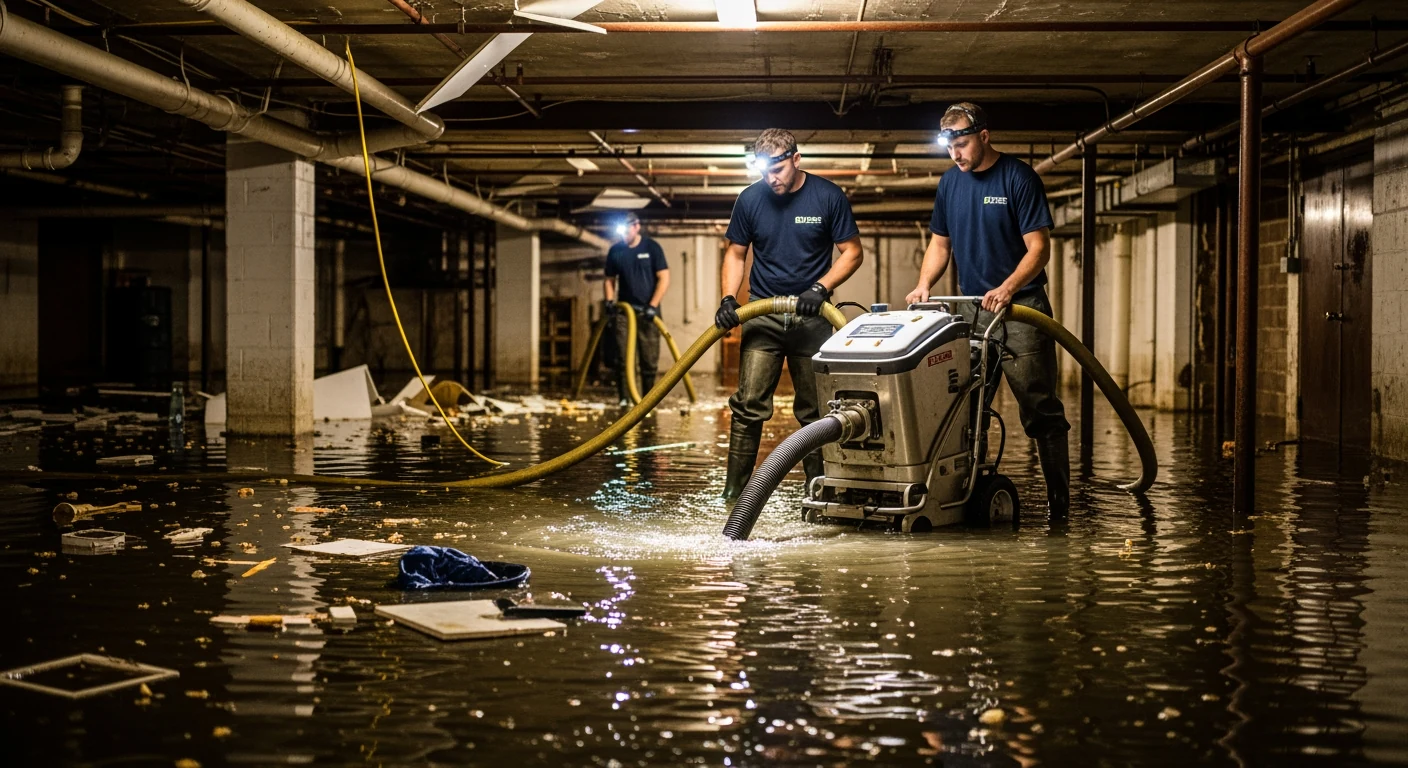
The most important documentation window is the period before any cleanup or remediation begins. Photograph every affected area from multiple angles with good lighting. Document the extent of damage to both structure and contents. Photograph the water source if it is still visible. Record any emergency measures taken (shutting off water supply, emergency tarping). This pre-cleanup documentation is what the insurance adjuster cannot re-create after the fact — it is the only objective record of initial conditions that will not be available later.
Contents Documentation
Create an itemized list of all damaged contents with estimated purchase dates and values. Photograph each item individually if the value is significant. Pull purchase records from email confirmations, credit card statements, or manufacturer warranties where available. For electronics, photograph the model number and serial number. For furniture, the manufacturer tag. This level of documentation is rarely what insurers receive, and it meaningfully improves settlement outcomes for contents claims.
Documenting the Scope of Work
Request that your restoration contractor provide a written scope of work before work begins, and ask for daily or weekly progress photographs during the project. These photographs document what materials were removed, what structural conditions were discovered, and what drying and treatment was performed. If the carrier disputes the scope later, contractor photographs taken throughout the project are the most credible evidence of what the conditions required.
Laboratory and Testing Results
Keep copies of all testing results: air quality samples, moisture meter readings, laboratory analysis reports for mold or asbestos. These documents support the remediation scope and may be required by the carrier to justify specific line items in the restoration estimate.
Frequently Asked Questions
My restoration company says they handle the insurance documentation. Should I still document myself?
Yes. The restoration contractor documents from their professional perspective for the purposes of the Xactimate estimate and the scope of work. Your documentation serves a different purpose: it establishes your account of initial conditions and contents damage in a form that does not depend on the contractor’s records. Both are valuable, and they serve different purposes in the claims process.