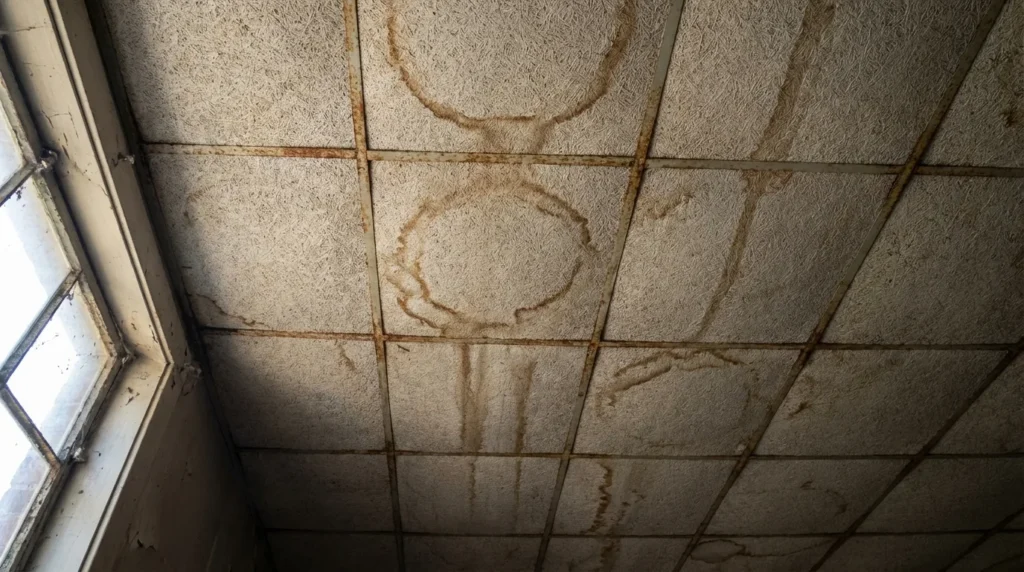
Chimney fires are a significant risk in Long Island homes with wood-burning fireplaces, and they are more common than most homeowners realize. Many chimney fires burn briefly and are extinguished without visible exterior signs, leading homeowners to believe no damage occurred. In fact, even a contained chimney fire can damage the flue liner, mortar, and firebox in ways that create serious safety hazards for future use — and occasionally cause enough structural damage to require significant restoration work.
How Chimney Fires Happen
The primary cause of chimney fires is creosote accumulation. Creosote is a byproduct of incomplete combustion — burning unseasoned wood, low-temperature fires that smolder rather than burn hot, and infrequent cleaning all contribute to creosote deposits on the flue liner interior. When these deposits ignite, they burn at extremely high temperatures (up to 2000 degrees Fahrenheit) that can crack clay flue tiles, compromise mortar joints, and potentially ignite combustible framing that contacts the chimney structure. The dramatic chimney fires that shoot flames from the top of the chimney are the visible ones; many burn inside the flue without external evidence.
Post-Chimney-Fire Inspection Requirements
After any suspected chimney fire, the chimney must be inspected by a certified chimney sweep (CSIA) before any further use. A Level 2 inspection, which includes camera inspection of the entire flue interior, is the appropriate standard after a known or suspected fire. This inspection reveals cracked flue tiles, compromised mortar, and any locations where the flue liner has failed in a way that could allow flames or gases to contact combustible building materials.
Structural Damage Patterns in Chimney Fires
When a chimney fire causes damage beyond the flue, the most common structural impacts are cracked or spalled clay flue tiles, deteriorated refractory mortar in the firebox, heat damage to wood framing where the chimney passes through the attic, and in serious cases, ignition of structural members or attic insulation. Upper Restoration inspects the full chimney chase, surrounding framing, and attic space after any chimney fire to identify secondary damage that may not be visible from below.
Insurance Coverage for Chimney Fire Damage
Chimney fire damage is covered by standard homeowners insurance when it results from a sudden and accidental event. Progressive creosote accumulation and normal wear are maintenance items not covered by insurance. If the chimney fire causes structural damage or ignites other parts of the building, those damages are covered. Preserving the chimney fire documentation from the fire department response is important for the insurance claim.
Frequently Asked Questions
How do I know if my chimney has had a previous fire I did not know about?
Signs of a previous chimney fire include puffed or distorted clay flue tiles when viewed with a mirror or camera, collapsed tile fragments inside the flue visible from the firebox, cracked or displaced mortar joints on the exterior, and a honeycomb or blistered appearance to the creosote residue that indicates it was heated to combustion temperatures.