Water damage in NYC apartments is a frequent occurrence given the density of plumbing systems in the building stock. When your ceiling leaks from a neighbor’s washing machine overflow or a backed-up floor drain, the response required depends significantly on what type of water is involved. Understanding water damage classification — and specifically what makes water Category 2 or gray water — helps building owners, property managers, and tenants understand why remediation costs and scope vary significantly by water source.
The Three Categories of Water Damage
The IICRC S500 Standard for Professional Water Damage Restoration defines three water categories. Category 1 is clean water from a sanitary source: a supply line leak, a fresh water appliance malfunction, or rainwater that has not contacted contaminated surfaces. Category 2 is significantly contaminated water that contains biologically or chemically contaminated material with the potential to cause illness — gray water. Category 3 is severely contaminated water: sewage, floodwater with soil contamination, or water that has been Category 1 or 2 and remained standing long enough to become grossly contaminated.
What Makes Water Category 2
Category 2 water sources in NYC apartments include overflow from washing machines and dishwashers that contain detergent and soil residue, toilet overflow without feces (urine-only or clear bowl water), aquarium water, and water that has passed through building mechanical systems with chemical treatment. Importantly, Category 1 water that sits undisturbed for more than 48 hours may be reclassified as Category 2 due to microbial growth in the standing water. A clean water leak that was not discovered for two days may require Category 2 protocols even though the source was clean.
How Category 2 Changes the Remediation Scope
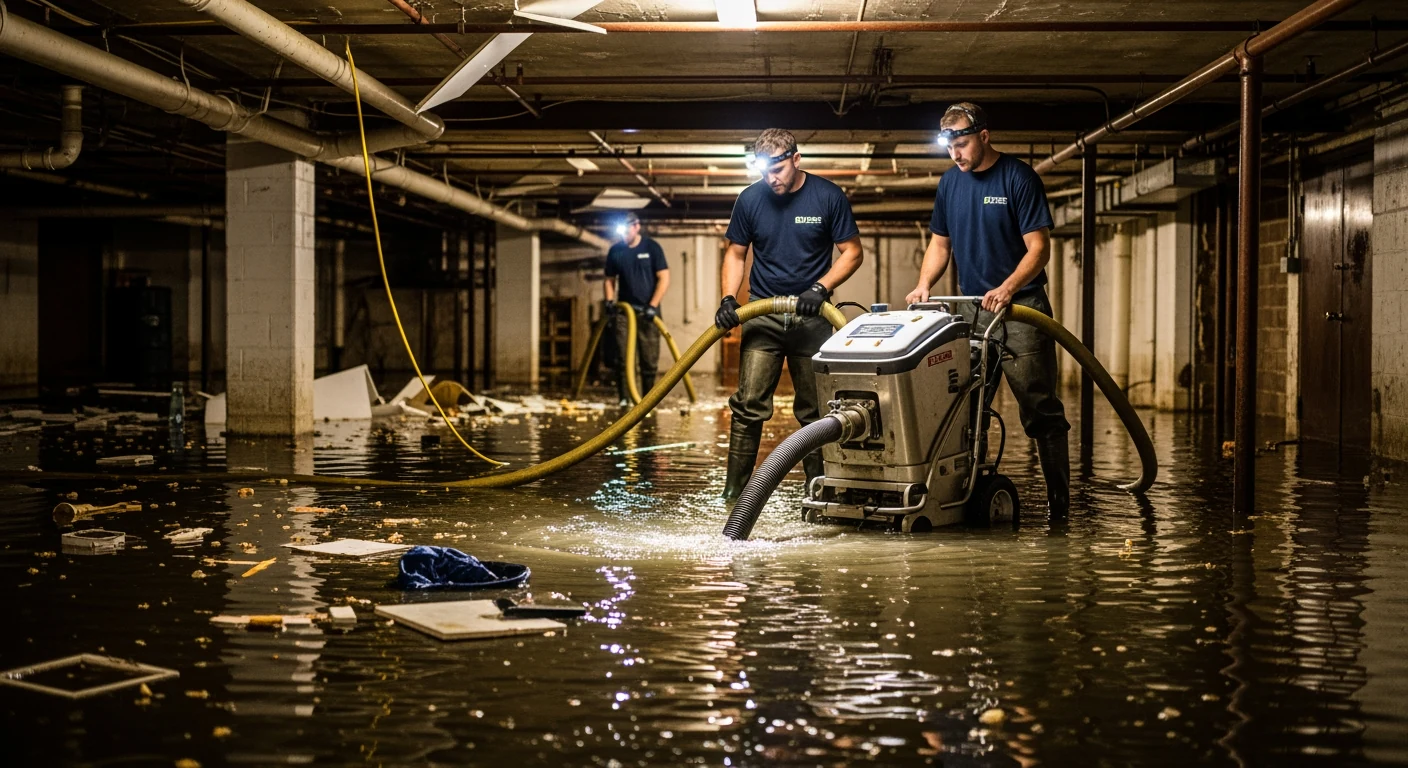
Category 2 remediation is more extensive than Category 1. Porous materials that have been wet with Category 2 water for more than 24 hours — drywall, insulation, carpet padding — are typically removed rather than dried in place. Hard surfaces require cleaning with EPA-registered antimicrobials in addition to standard drying. The higher scope means higher cost, and insurers often require documentation of the water source and time elapsed to support category classification in the claim.
Multi-Unit Building Complications
In NYC apartment buildings, Category 2 losses frequently involve disputes between building management and individual tenant or owner insurance carriers about scope and responsibility. Upper Restoration’s experience with multi-unit building losses includes the documentation and carrier communication to navigate these situations.
Frequently Asked Questions
If a washing machine overflow is Category 2, can I clean it up myself?
Small, immediately-discovered washing machine overflows on hard flooring with no affected walls or cabinets can potentially be cleaned by a diligent homeowner. Any overflow that has affected wall bases, subfloor, or building cavities requires professional remediation to ensure complete drying and appropriate antimicrobial treatment.