As a company renowned for its expertise in asbestos removal, our primary concern is the safety and well-being of our clients and the environments in which they live and work. This comprehensive guide is designed to provide an in-depth overview of the meticulous, safety-first approach we take to the process of asbestos insulation removal.
Understanding the Nature of Asbestos
Asbestos refers to a collection of six naturally occurring minerals that have been widely used in construction and various other industries. The popularity of these minerals can be attributed to their exceptional fire-resistant and insulating properties. Despite the apparent advantages that asbestos presents, the inhalation of asbestos fibers can have severe health repercussions. Such exposure can lead to serious health conditions like asbestosis, mesothelioma, and lung cancer.
A Brief History of Asbestos
The Commercial mining and usage of asbestos in North America dates back to the late 19th century, with a significant spike in its use during World War II. Since then, asbestos has been commonly utilized across a wide range of industries. However, it is now universally acknowledged that all forms of asbestos can lead to serious health conditions.
The First Step: Identifying Asbestos Insulation
The first step in our systematic approach to asbestos removal is to identify the presence of asbestos. This usually involves a thorough visual examination of the site, followed by the collection of material samples. These samples are then sent to a certified laboratory, where they undergo meticulous testing and analysis to confirm the presence of asbestos fibers.
Creating a Tailored Removal Plan
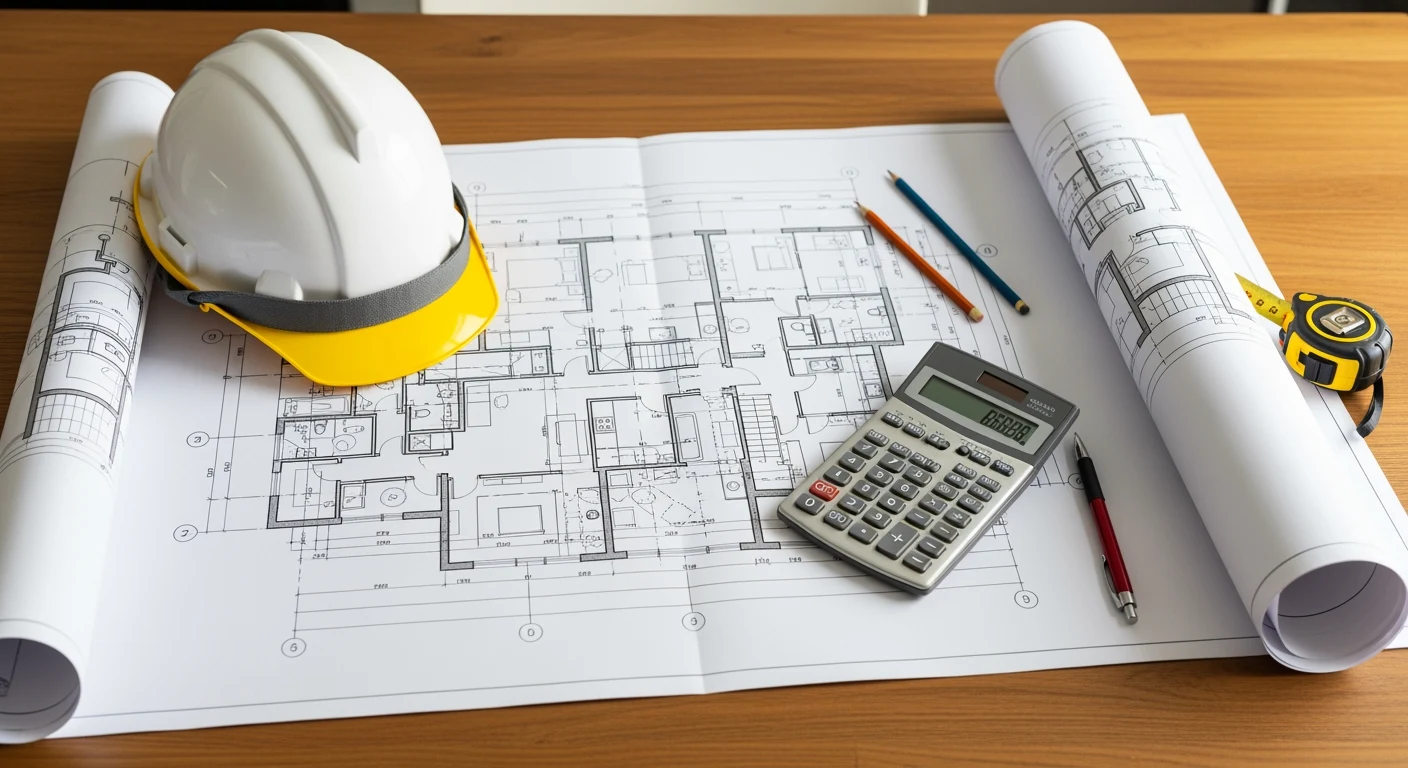
Once the presence of asbestos is confirmed, we develop a detailed, customized removal plan. This comprehensive strategy includes determining the full extent of contamination, outlining the necessary safety procedures to adhere to, and pinpointing the specific equipment required for the safe and efficient removal of the asbestos.
Prioritizing Safety Measures
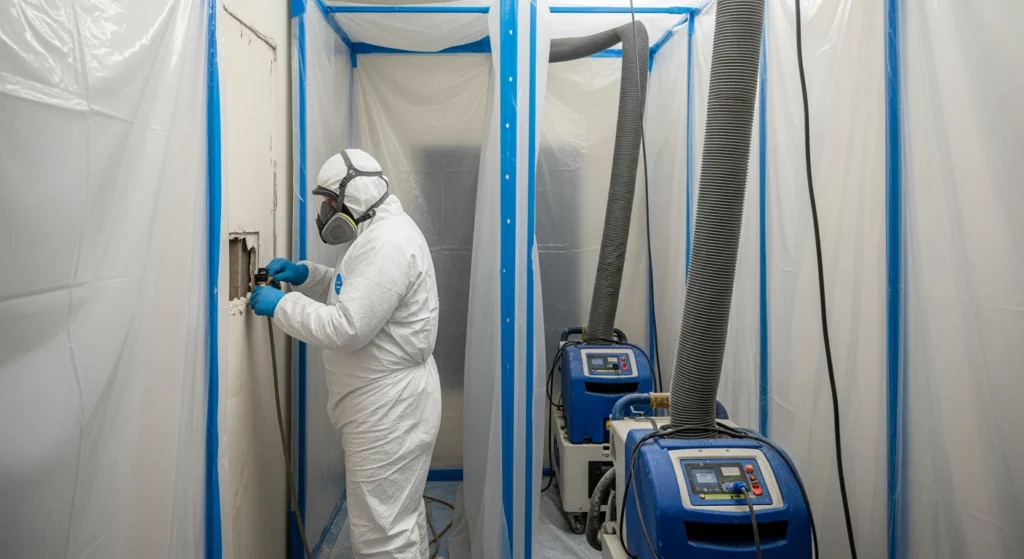
Before we commence the removal process, we implement strict safety measures to protect our team and the building’s occupants. This involves establishing containment areas to isolate the affected sections, employing HEPA-filtered vacuums to prevent the spread of microscopic asbestos fibers, and ensuring our team is fully equipped with state-of-the-art personal protective equipment.
The Removal of Asbestos
Our team, consisting of trained and certified professionals, then systematically remove the asbestos-containing materials. Throughout this process, our primary focus is on minimizing the release of asbestos fibers into the surrounding air.
Ensuring Proper Disposal of Asbestos Materials
Ensuring the proper disposal of asbestos materials is critical to preventing environmental contamination. We ensure these materials are sealed in leak-tight containers and transported to approved disposal sites, following all relevant federal and state regulations.
Implementing Thorough Decontamination and Clearance Testing
After the asbestos materials have been removed and disposed of, the affected area undergoes a thorough decontamination process. Air samples are collected and analyzed to ensure that all asbestos fibers have been effectively removed. We only consider our task completed once clearance testing confirms the safety of the area.
Providing Comprehensive Post-Removal Documentation
Upon completion of the process, we provide our clients with all necessary documentation. This includes records of waste transport and disposal, results from clearance testing, and any other paperwork required by local health departments or regulatory agencies.
Upper Restoration provides professional licensed asbestos abatement services across Nassau County, Suffolk County, and all five NYC boroughs — available 24/7.
In conclusion, the removal of asbestos, due to its potentially hazardous nature, should always be carried out by trained professionals. As a dedicated asbestos removal company, we are committed to conducting this process in the safest, most efficient, and most effective manner possible.
As a new home owner, I couldn’t have asked for a better company. Lou and his team made my hard situation an easy and stress…Read More »
a month ago via Google
Alisha T
We recently had major water damage in our home, affecting the entire kitchen, dining room, and basement. Louis from Upper Restoration showed up quickly, assessed…Read More »
2 months ago via Google
Cathy Choi
We recently sustained some damage to our roof and our central air system due to a storm. Upper Restoration had to open our ceiling to…Read More »
2 months ago via Google
Chimere Luke
I had the pleasure of working with Upper Restoration and their incredible team during a recent project for my home after a flood, and I…Read More »
8 months ago via Google
Lewis James Lirosi
Need professional asbestos abatement on Long Island? Upper Restoration provides licensed asbestos abatement and removal services across NYC and Long Island. Contact us for a free assessment.
Asbestos Insulation Removal Cost in New York (2026)
Cost is the question most Long Island and NYC homeowners ask first, and the range is wide because asbestos insulation removal depends on location, material type, quantity, and accessibility. Here are current market ranges for the New York area:
| Scope | Estimated Cost Range (NY 2026) |
|---|---|
| Attic insulation removal (per sq ft) | $3 – $8 per square foot |
| Pipe insulation removal (per linear foot) | $10 – $25 per linear foot |
| Basement/crawlspace insulation | $1,500 – $6,000 typical |
| Full attic (1,000–1,500 sq ft) | $4,000 – $15,000 |
| Boiler room pipe wrap removal | $2,000 – $8,000+ |
| Air monitoring and clearance testing | $300 – $800 additional |
These ranges reflect licensed NYS asbestos contractor rates, required air monitoring, disposal fees, and DEP permit costs where applicable. Work completed without permits or by unlicensed contractors in New York carries fines of $5,000 to $25,000+ and can create title issues at resale.
Types of Asbestos Insulation in NY Homes and Buildings
Asbestos was used in several distinct insulation applications, each with different removal complexity and cost profiles:
- Pipe wrap insulation (lagging): The most common form in pre-1980 homes — corrugated or wrapped insulation around heating pipes, boiler connections, and ductwork. Often appears as a grayish-white wrapping, sometimes with a canvas outer layer. Friable when deteriorated and requires careful wet removal under negative air pressure.
- Loose-fill attic insulation (Zonolite/vermiculite): Gray or silver granular material poured between attic joists. Zonolite brand vermiculite insulation is strongly associated with asbestos contamination from the Libby, Montana mine. Any vermiculite insulation should be treated as presumed ACM until tested.
- Blown-in or batt insulation with asbestos binder: Less common but found in some commercial and industrial applications from the 1950s through 1970s. Appears similar to modern fiberglass insulation but with a grayer cast.
- Block or rigid insulation on boilers and furnaces: Thick, chalky insulation panels around boiler units and large furnaces. Often the highest-priority removal item due to friability from heat cycling.
- Spray-applied insulation (SFRM): Fireproofing material applied to structural steel in commercial buildings. Fluffy, soft texture, and highly friable when disturbed. Requires full containment and negative air pressure enclosure for removal.
New York Asbestos Insulation Removal Requirements
New York has among the most stringent asbestos regulations in the country. Key requirements for asbestos insulation removal on Long Island and in NYC:
- NYS Article 32: All asbestos projects in New York above regulatory threshold quantities require a licensed asbestos contractor, an independent air monitor, and a written notification to the NYS Department of Labor.
- NYC DEP permit: In New York City, a DEP asbestos project permit is required for all regulated asbestos work, including insulation removal. The contractor must be licensed by the NYC DEP.
- Air monitoring: An independent industrial hygienist must conduct personal air monitoring during removal and clearance air testing after completion. Clearance results must meet NYS DOL Phase Contrast Microscopy (PCM) standards before containment can be removed.
- Disposal: Asbestos waste must be double-bagged in 6-mil polyethylene bags, labeled per EPA NESHAP requirements, and transported to a licensed asbestos landfill. In New York, only specific facilities accept asbestos waste.
Homeowners on Long Island (Nassau and Suffolk counties) working within regulatory thresholds can technically perform limited DIY removal — but any contractor hired for the work must still be licensed, and disposal must still comply with NYS DOL standards. For any project above the regulatory threshold, there are no exceptions.