
FEMA Elevation Certificates on Long Island: Why You Need One Before the Next Storm

An Elevation Certificate documents your Long Island property’s lowest floor elevation relative to the Base Flood Elevation — the foundational document for NFIP flood insurance pricing, Substantial Damage determinations, and building permit applications in Special Flood Hazard Areas. Many Long Island homeowners who should have one don’t.
Hurricane Sandy 10 Years Later: What Long Island Homes Still Need to Address

Sandy made landfall on October 29, 2012. More than a decade later, thousands of Long Island homes in the communities most severely affected have unresolved structural, mold, and asbestos issues from incomplete post-storm remediation. This is an audit framework for south shore Nassau and Suffolk homeowners who experienced Sandy damage.
Commercial Water Damage Restoration on Long Island: How Response Differs from Residential
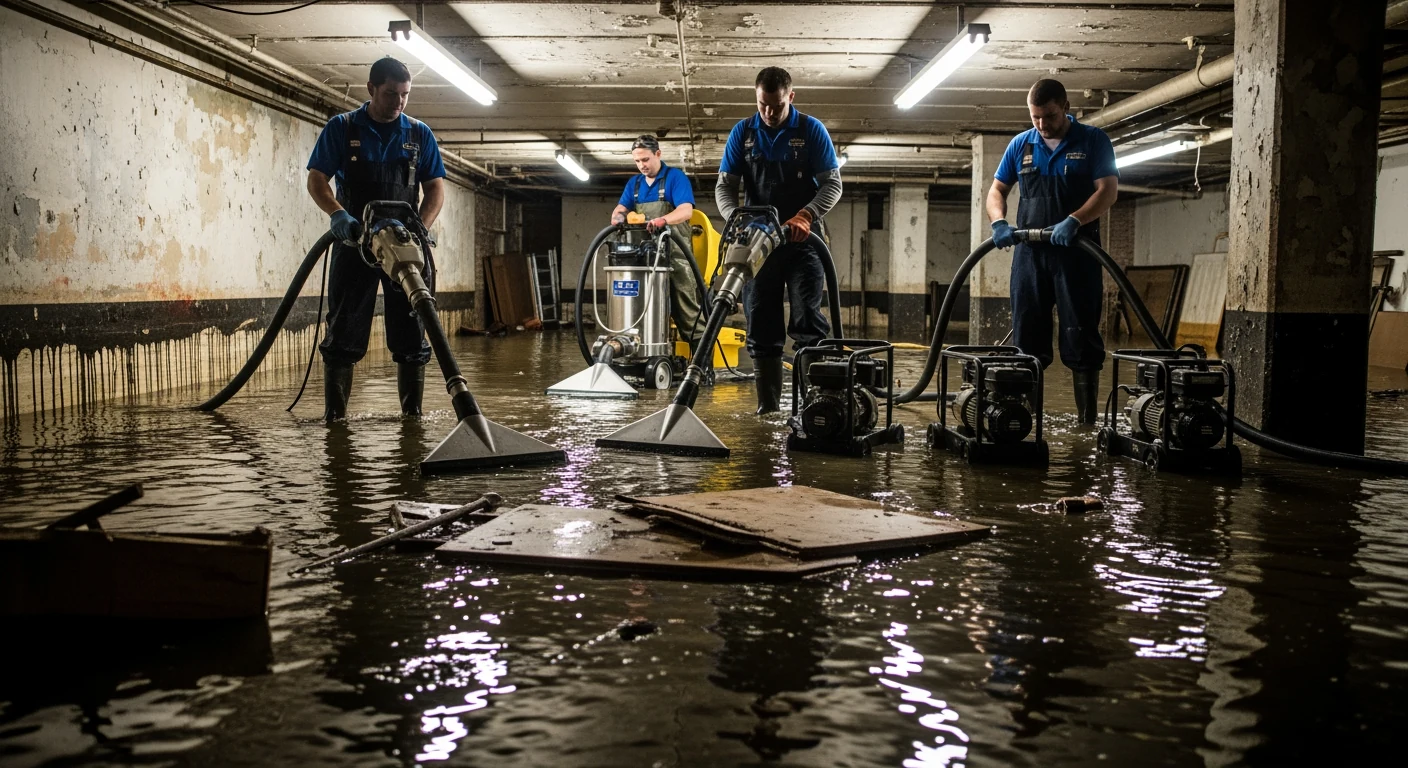
Commercial water damage restoration on Long Island operates under different time pressure, different documentation requirements, and different scope considerations than residential — business interruption is measured in revenue loss per hour, not homeowner inconvenience, and the decision framework reflects that.
Xactimate Line Items Long Island Contractors Fight For — and How to Support Them

Insurance adjusters routinely challenge specific Xactimate line items in Long Island water damage and fire claims — asbestos assessment add-ons, Category 3 demolition scope, lead-safe work practice surcharges, and LGR dehumidifier deployment are the most commonly disputed. This is what the disputes look like and how Upper Restoration supports each contested item.
Navigating Dual Insurance Claims: When Water Damage Involves Both Homeowners and Flood Policies
Many Long Island water damage losses involve both a homeowners insurance policy and an NFIP flood insurance policy — and managing two separate claims with two separate adjusters, two separate scope agreements, and two separate payment sequences is one of the most operationally complex scenarios in Long Island restoration.
The Substantial Damage Rule: How 50% Triggers Full FEMA Compliance on Long Island
The Substantial Damage rule is the provision in FEMA’s NFIP regulations that most surprises Long Island homeowners after a major loss — if repair costs exceed 50% of the pre-damage market value, the structure must be brought into full compliance with current floodplain management standards, which may mean elevation to current BFE plus freeboard.
FEMA Risk Rating 2.0 and Long Island Flood Insurance: What Changed and What It Costs
FEMA’s Risk Rating 2.0, implemented in October 2021, fundamentally changed how National Flood Insurance Program premiums are calculated for Long Island’s coastal communities — moving from flood zone maps to individualized property risk assessment. Understanding what changed helps Long Island homeowners navigate their current NFIP costs and coverage decisions.
How Long Island Restoration Claims Work: From First Call to Final Payment
The insurance claim process for a Long Island water damage, fire, or mold restoration project involves your carrier, your adjuster, your restoration contractor, and in complex cases a public adjuster or attorney — understanding how these roles interact and what documentation is required at each stage prevents payment delays and underpaid claims.
Nor’easter Damage Prevention for Long Island Cape Cods: Roof, Sump, and Pipe

Nor’easters are Long Island’s most frequent and damaging storm type — striking multiple times each fall, winter, and spring. This is the practical prevention guide for the specific vulnerabilities of the Cape Cod housing stock that fills Nassau County and western Suffolk.
Long Island Spring Flood Season: The April-May Sump Pump and Basement Prep Guide
Spring is Long Island’s most active period for basement flooding — snowmelt and April-May rainfall saturate the shallow Nassau County soils while the same systems overwhelm aging sewer laterals in western Suffolk. This is the annual preparation guide every Long Island homeowner needs before April 1.
