
DIY Water Damage Restoration: Pros, Cons, and Best Practices
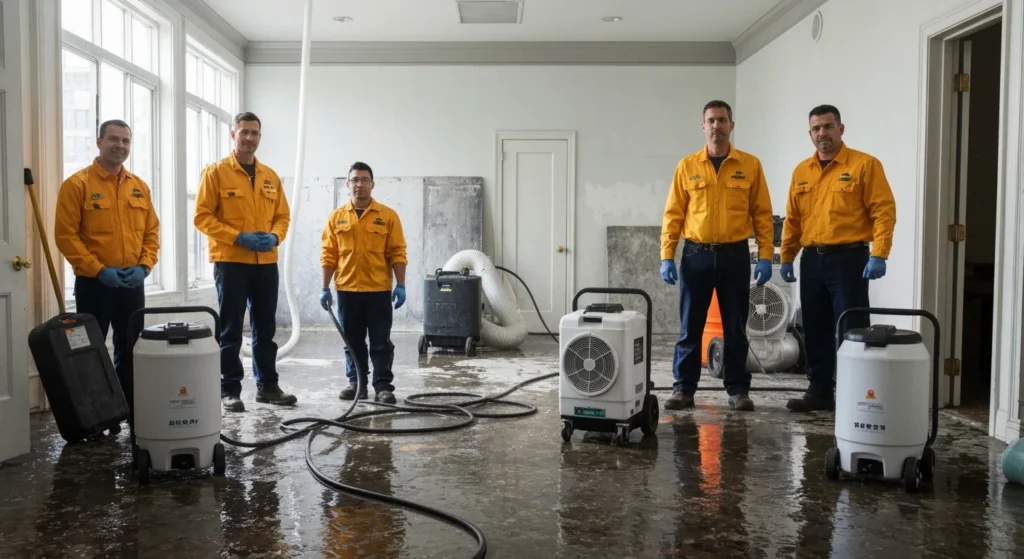
DIY Water Damage Restoration: Pros, Cons, and Best Practices — 2026 update from upperrestoration.
Understanding the Different Types of Water Damage and How to Address Them
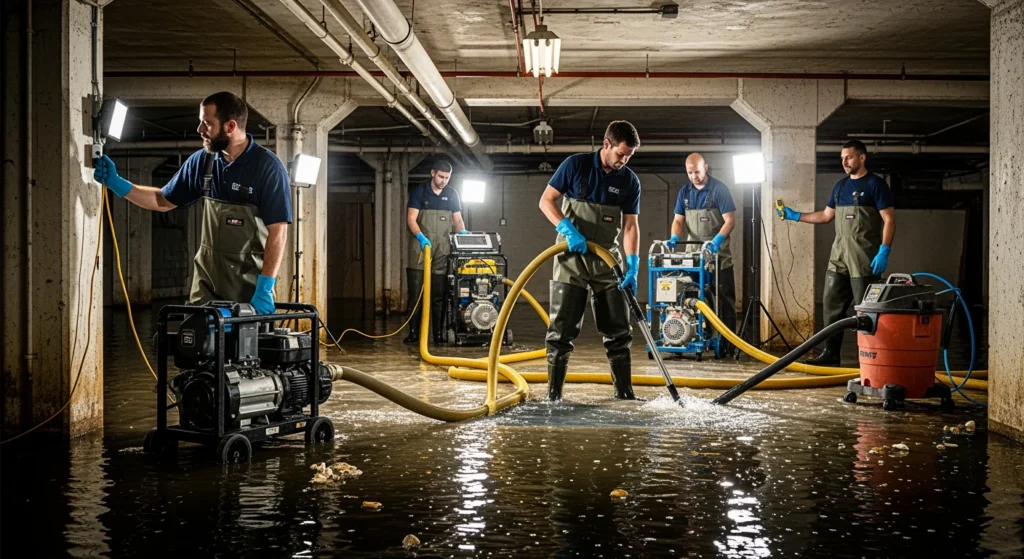
Understanding the Different Types of Water Damage and How to Address Them — 2026 update from upperrestoration.
Is Mold from Water Damage Dangerous? What Long Island Homeowners Must Know (2026)
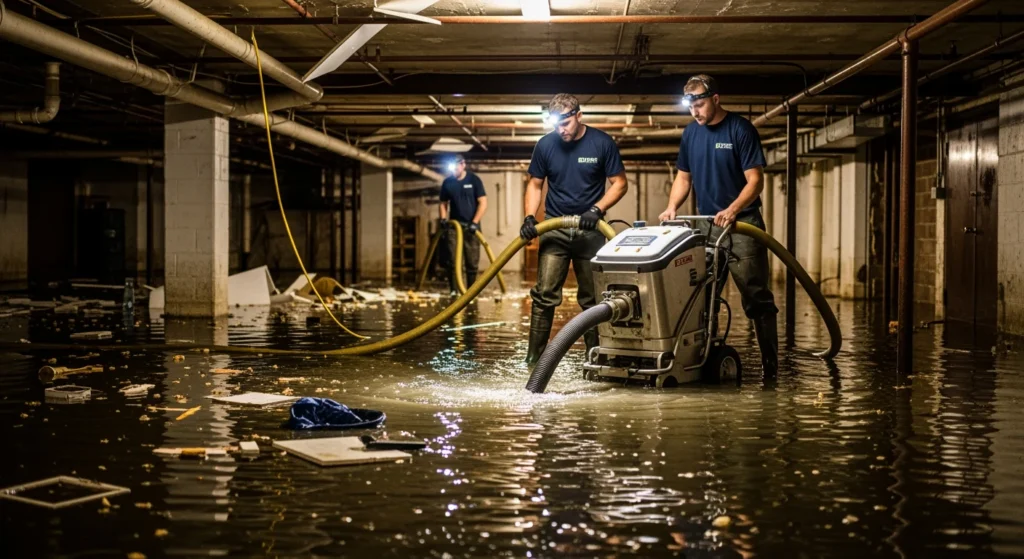
Is Mold from Water Damage Dangerous? What Long Island Homeowners Must Know (2026) — 2026 update from upperrestoration.
Water Heater Failure in NYC — What the Leak Tells You and What to Do Before It Gets Worse (April 2026)
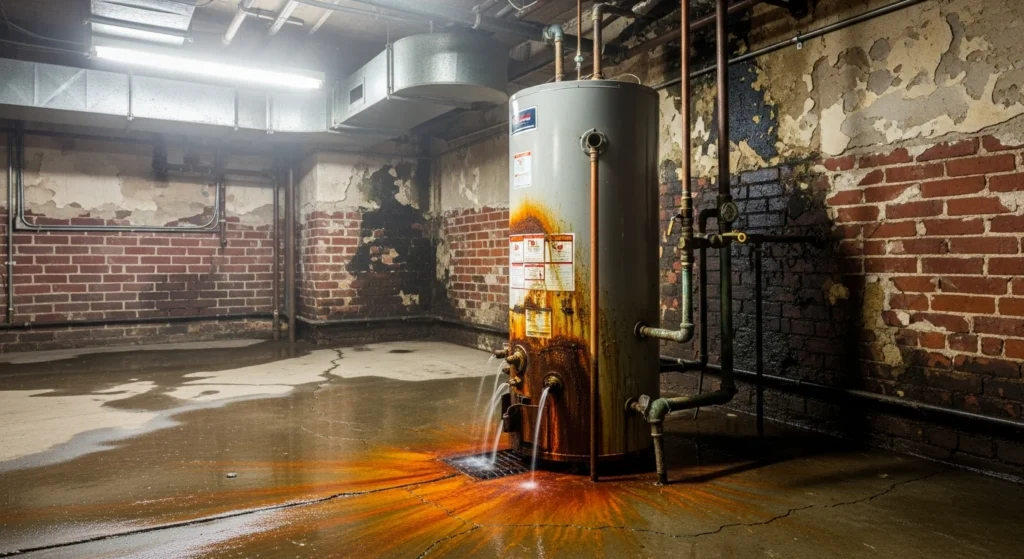
Water heater failures peak in late winter and spring in NYC and Long Island buildings — and slow leaks in basement mechanical rooms go undetected for weeks. Here’s how to diagnose failure type, what water migration looks like by construction type, and when you’re looking at mold.
Spring Storm Season in NYC — The Structural Vulnerabilities That Create $50,000 Claims (April 2026)
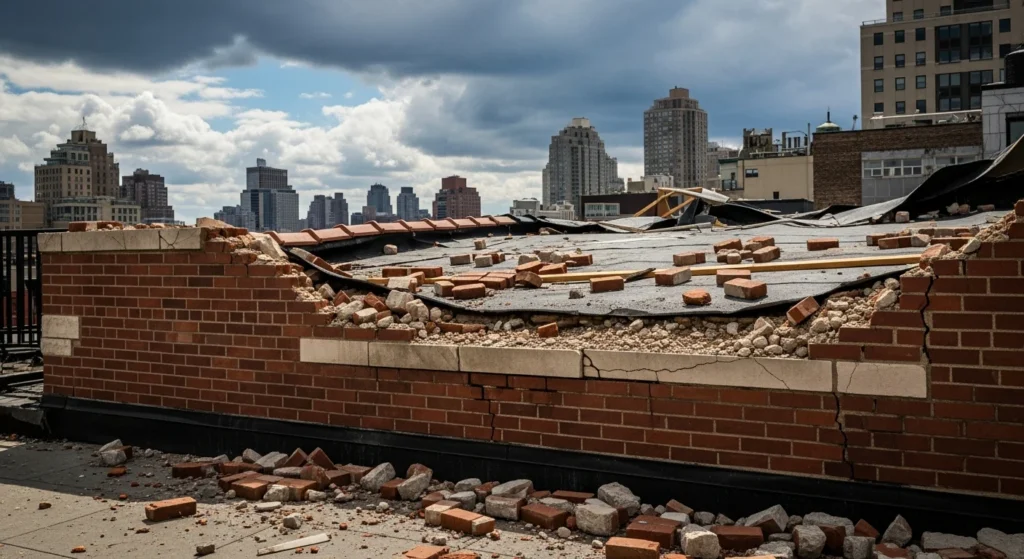
April nor’easters hit NYC and Long Island buildings that have already been weakened by a full winter of freeze-thaw cycling. Expert guide to parapet wall failure, HVAC curb flashing, drain line infiltration, and what documentation you need before a storm — not after.
Mold Removal & Remediation on Long Island: Licensed Contractors Serving Nassau & Suffolk County
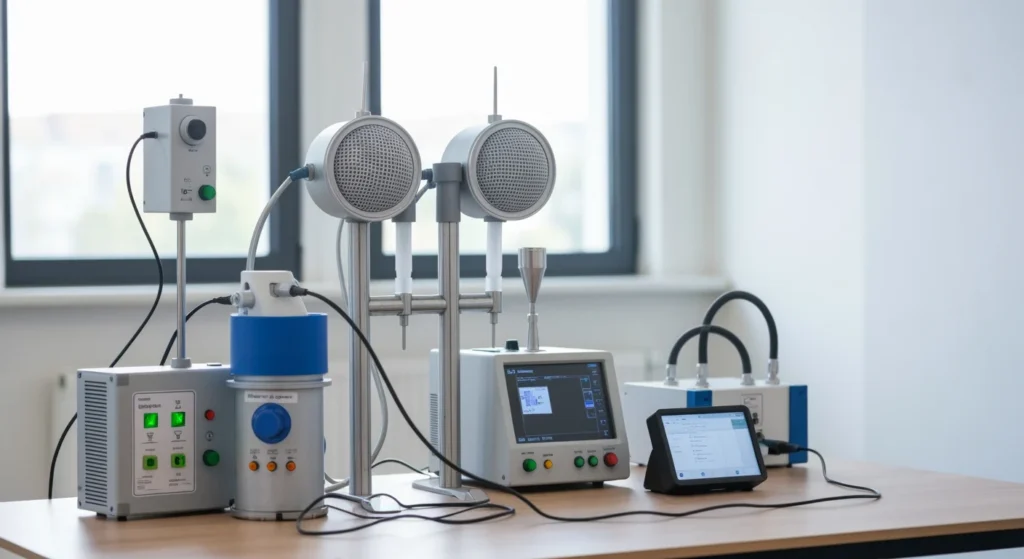
Upper Restoration provides NYS-licensed mold remediation across Long Island — Nassau County, Suffolk County, and NYC. Free inspections, independent assessment, and full insurance documentation.
Nor’easter vs. Hurricane: How Storm Type Determines Long Island Restoration Response
Nor’easters and hurricanes produce different damage profiles on Long Island — different flooding mechanisms, different wind loads, different debris patterns, and different insurance claim frameworks. Understanding the distinction helps Long Island homeowners and business owners prepare more accurately and navigate post-storm claims more effectively.
Psychrometrics for Structural Drying: How Temperature, Humidity, and Dew Point Drive Restoration
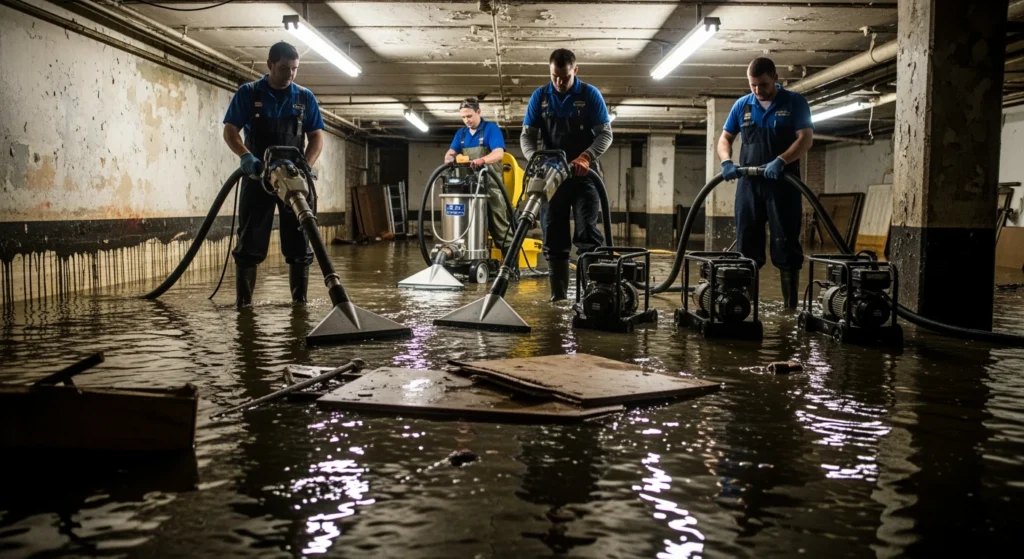
Psychrometrics — the science of moisture in air — is the technical foundation that separates professional structural drying from equipment guessing. Understanding how temperature, relative humidity, grain depression, and dew point interact explains why drying logs matter and what they should show.
Hurricane Season Prep for Long Island Homeowners: The Complete June 1 Checklist
June 1 is the official start of the Atlantic hurricane season. For Long Island homeowners — particularly in Nassau’s south shore and Suffolk’s east end communities — the preparation that happens before June 1 determines the difference between a manageable storm event and a catastrophic loss. This is the complete checklist.
Repetitive Loss Properties on Long Island: NFIP Classification and Mitigation Options

FEMA’s Repetitive Loss and Severe Repetitive Loss designations apply to thousands of Long Island properties in Nassau’s south shore communities — classifications that affect flood insurance premiums, mitigation grant eligibility, and a property’s long-term insurability under the NFIP.
