
The Substantial Damage Rule: How 50% Triggers Full FEMA Compliance on Long Island
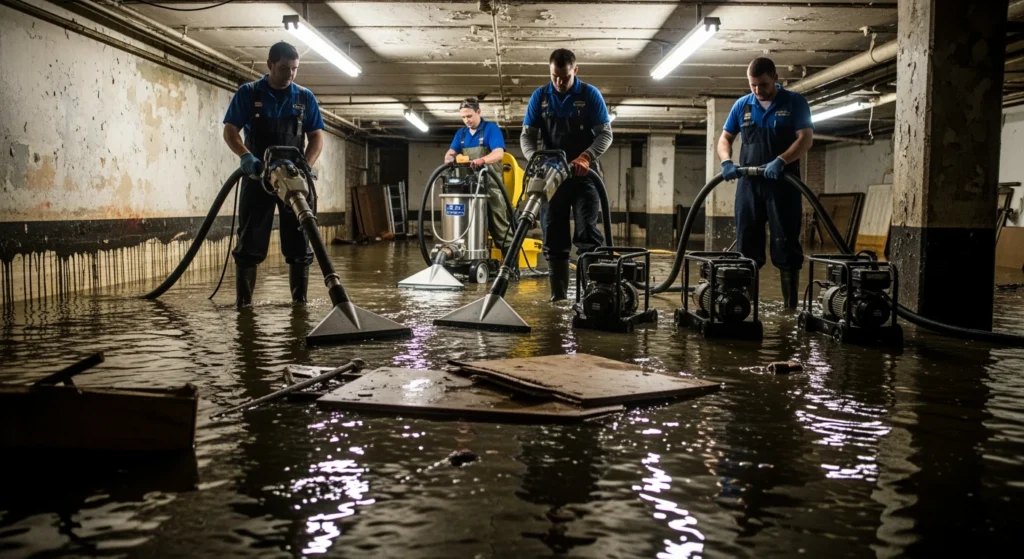
The Substantial Damage rule is the provision in FEMA’s NFIP regulations that most surprises Long Island homeowners after a major loss — if repair costs exceed 50% of the pre-damage market value, the structure must be brought into full compliance with current floodplain management standards, which may mean elevation to current BFE plus freeboard.
FEMA Risk Rating 2.0 and Long Island Flood Insurance: What Changed and What It Costs
FEMA’s Risk Rating 2.0, implemented in October 2021, fundamentally changed how National Flood Insurance Program premiums are calculated for Long Island’s coastal communities — moving from flood zone maps to individualized property risk assessment. Understanding what changed helps Long Island homeowners navigate their current NFIP costs and coverage decisions.
How Long Island Restoration Claims Work: From First Call to Final Payment
The insurance claim process for a Long Island water damage, fire, or mold restoration project involves your carrier, your adjuster, your restoration contractor, and in complex cases a public adjuster or attorney — understanding how these roles interact and what documentation is required at each stage prevents payment delays and underpaid claims.
Nor’easter Damage Prevention for Long Island Cape Cods: Roof, Sump, and Pipe
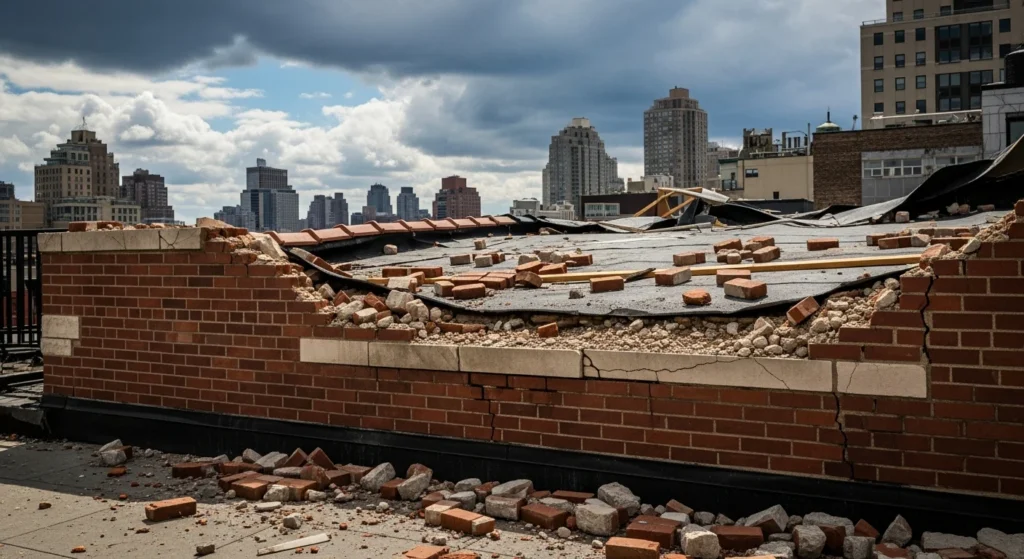
Nor’easters are Long Island’s most frequent and damaging storm type — striking multiple times each fall, winter, and spring. This is the practical prevention guide for the specific vulnerabilities of the Cape Cod housing stock that fills Nassau County and western Suffolk.
Long Island Spring Flood Season: The April-May Sump Pump and Basement Prep Guide
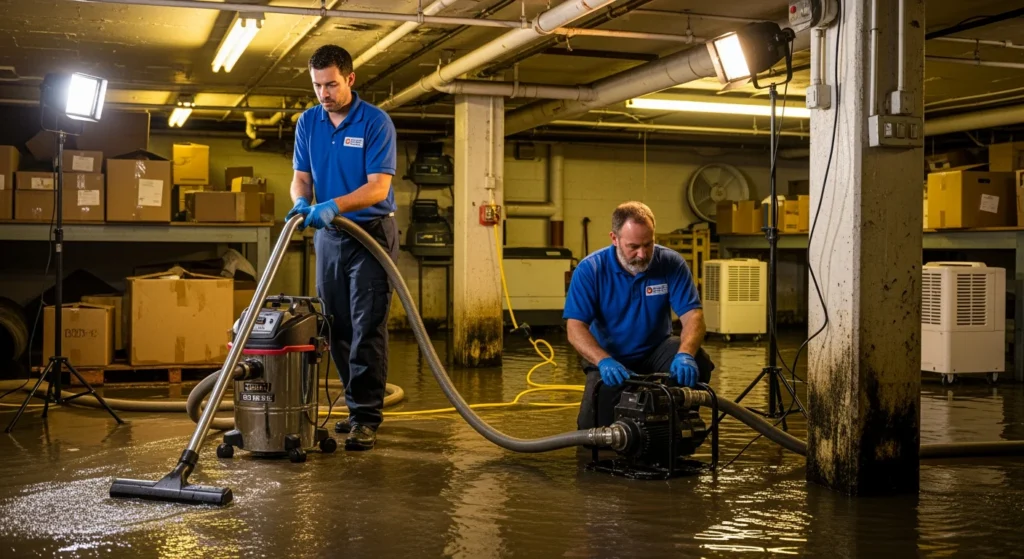
Spring is Long Island’s most active period for basement flooding — snowmelt and April-May rainfall saturate the shallow Nassau County soils while the same systems overwhelm aging sewer laterals in western Suffolk. This is the annual preparation guide every Long Island homeowner needs before April 1.
Xactimate Estimating for Long Island Water Damage: What Homeowners Should Know
Xactimate is the estimating software that drives most Long Island water damage insurance claims — understanding how it works, what line items contractors fight for, and how Long Island’s higher labor costs should be reflected in estimates helps homeowners navigate their claims effectively.
When Drywall Must Be Demolished vs. Dried in Place: The S500 Decision Framework
The decision to demolish wet drywall versus attempt to dry it in place is the most consequential scope determination in water damage restoration — it drives cost, timeline, and mold risk. Understanding the framework helps Long Island homeowners evaluate their contractor’s recommendations.
Galvanized Pipe Failure in Nassau County Homes: The 75-Year Timeline
The galvanized steel supply pipes installed in Nassau County’s 1945-1965 housing stock are now 60 to 80 years old — past the end of their 40-70 year design life. Understanding how galvanized pipe fails, what the warning signs are, and what water damage results when it does is essential knowledge for owners of Levittown, East Meadow, Hempstead, and Valley Stream homes.
Ice Dam Formation and Water Damage: The Long Island Winter Risk Guide
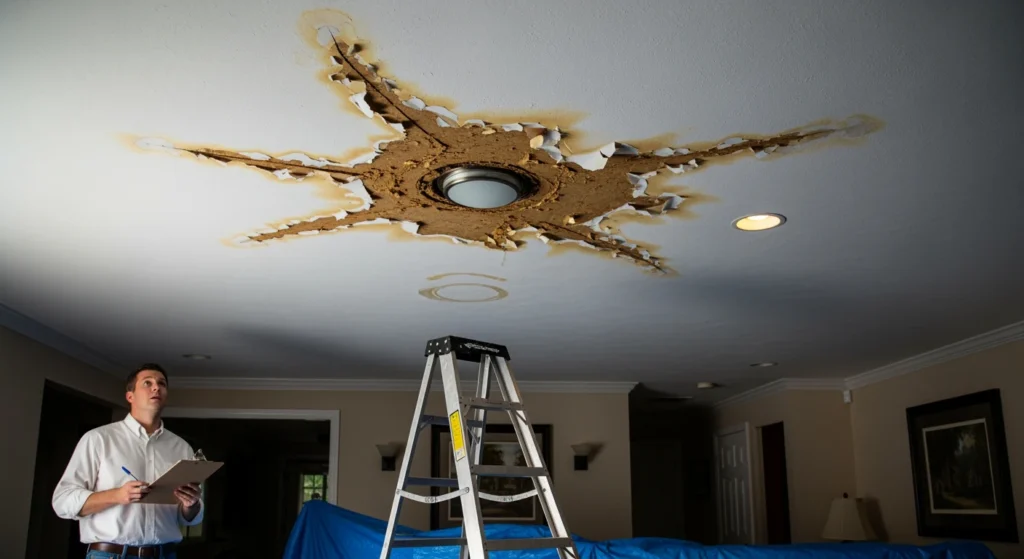
Ice dams are the leading cause of winter water damage in Long Island’s Cape Cod housing stock — the original 1947-1970s roof design creates ideal conditions for ice dam formation, and every winter produces ceiling and attic water damage in thousands of Nassau and Suffolk homes.
Sump Pump Failure on Long Island: Causes, Consequences, and What to Do
On Long Island, a failed sump pump is not a minor inconvenience — it is a structural emergency in a community where 65,000 Hempstead homes sit in FEMA flood zones and the water table is close enough to the surface that basements throughout Nassau County depend on active pumping to stay dry.
