
Water Mitigation in NYC & Long Island: Process, Cost & Insurance Guide
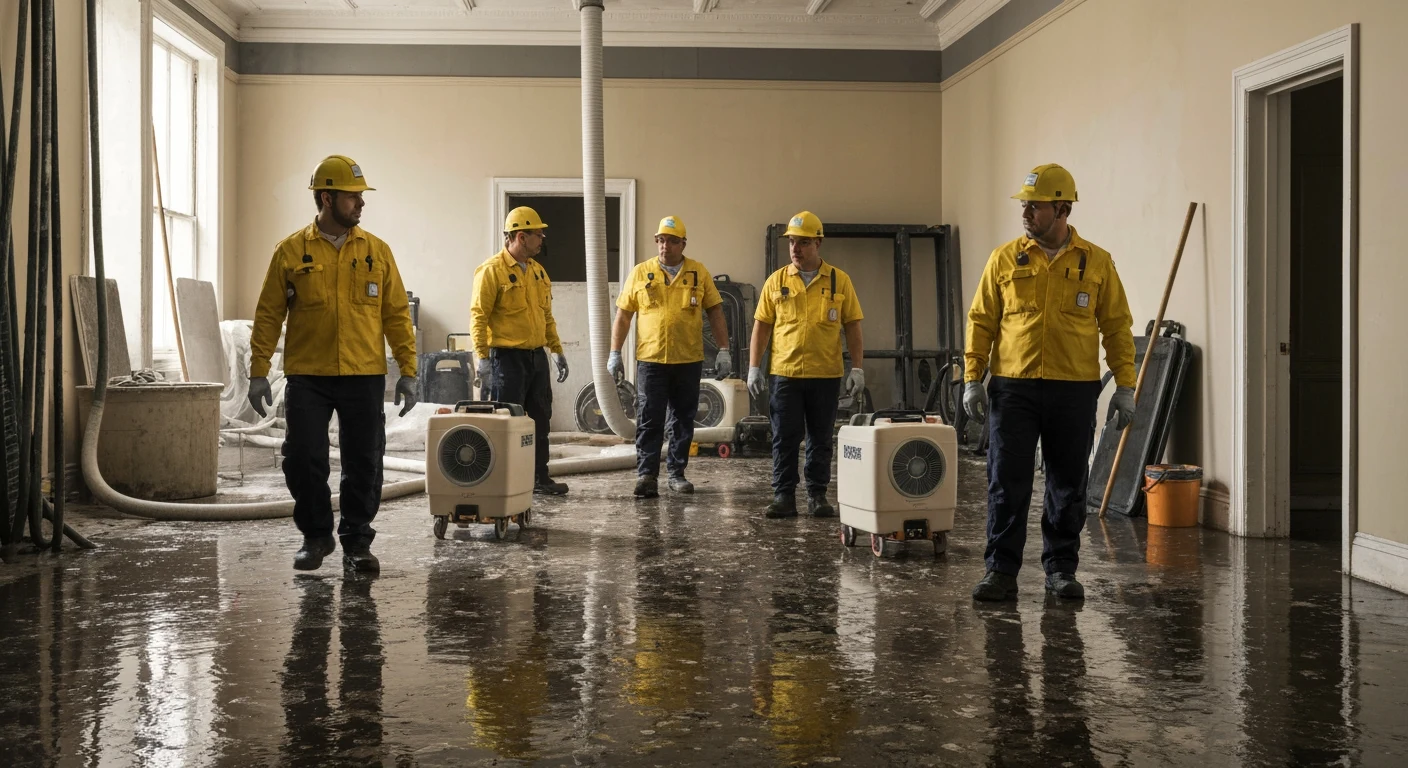
Water mitigation costs $2,500–$20,000 in NYC and Long Island depending on category and scope. Learn the 9-step professional process, IICRC water damage categories, 2026 pricing, drying logs, and how insurance covers mitigation claims.
Psychrometrics for Structural Drying: How Temperature, Humidity, and Dew Point Drive Restoration
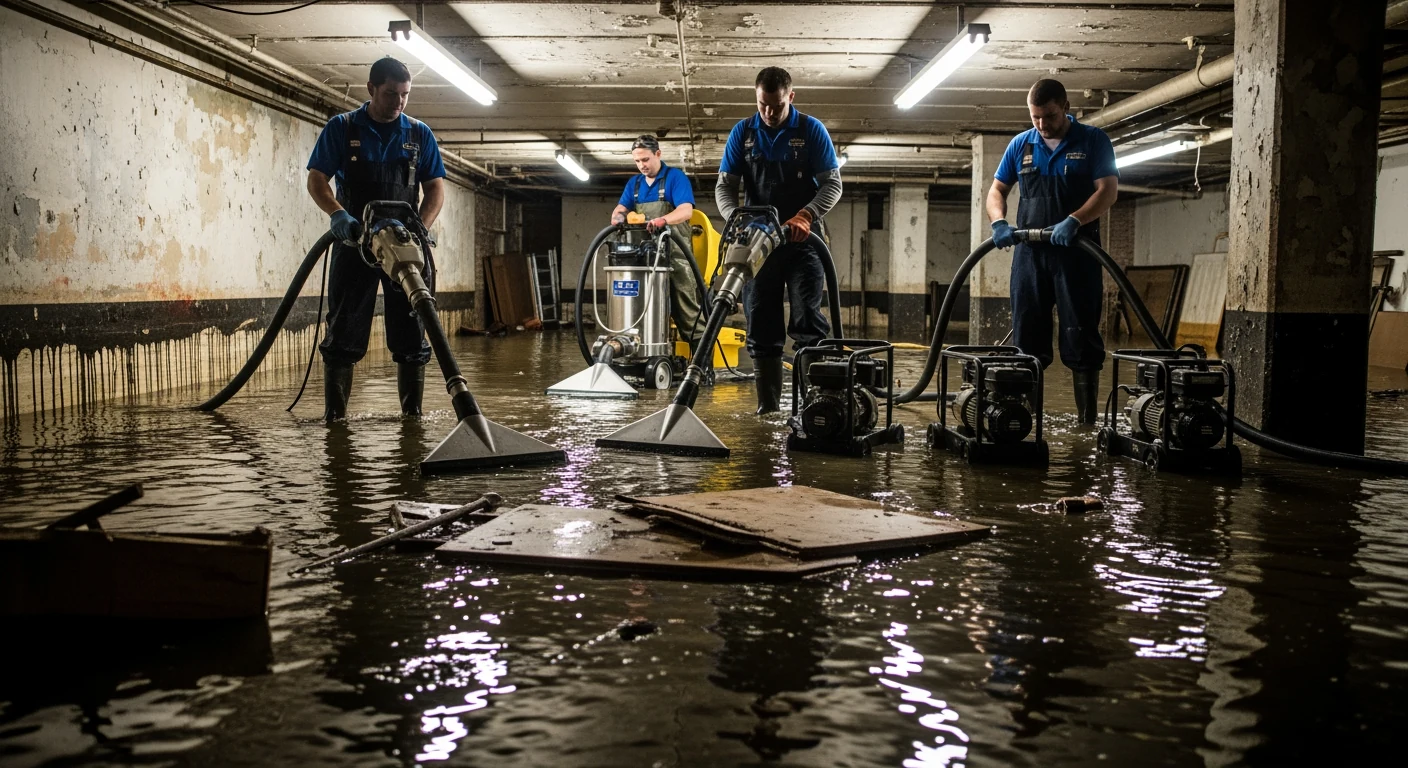
Psychrometrics — the science of moisture in air — is the technical foundation that separates professional structural drying from equipment guessing. Understanding how temperature, relative humidity, grain depression, and dew point interact explains why drying logs matter and what they should show.
Commercial Water Damage Restoration on Long Island: How Response Differs from Residential
Commercial water damage restoration on Long Island operates under different time pressure, different documentation requirements, and different scope considerations than residential — business interruption is measured in revenue loss per hour, not homeowner inconvenience, and the decision framework reflects that.
Nor’easter Damage Prevention for Long Island Cape Cods: Roof, Sump, and Pipe

Nor’easters are Long Island’s most frequent and damaging storm type — striking multiple times each fall, winter, and spring. This is the practical prevention guide for the specific vulnerabilities of the Cape Cod housing stock that fills Nassau County and western Suffolk.
Long Island Spring Flood Season: The April-May Sump Pump and Basement Prep Guide

Spring is Long Island’s most active period for basement flooding — snowmelt and April-May rainfall saturate the shallow Nassau County soils while the same systems overwhelm aging sewer laterals in western Suffolk. This is the annual preparation guide every Long Island homeowner needs before April 1.
Xactimate Estimating for Long Island Water Damage: What Homeowners Should Know
Xactimate is the estimating software that drives most Long Island water damage insurance claims — understanding how it works, what line items contractors fight for, and how Long Island’s higher labor costs should be reflected in estimates helps homeowners navigate their claims effectively.
When Drywall Must Be Demolished vs. Dried in Place: The S500 Decision Framework
The decision to demolish wet drywall versus attempt to dry it in place is the most consequential scope determination in water damage restoration — it drives cost, timeline, and mold risk. Understanding the framework helps Long Island homeowners evaluate their contractor’s recommendations.
Galvanized Pipe Failure in Nassau County Homes: The 75-Year Timeline
The galvanized steel supply pipes installed in Nassau County’s 1945-1965 housing stock are now 60 to 80 years old — past the end of their 40-70 year design life. Understanding how galvanized pipe fails, what the warning signs are, and what water damage results when it does is essential knowledge for owners of Levittown, East Meadow, Hempstead, and Valley Stream homes.
Ice Dam Formation and Water Damage: The Long Island Winter Risk Guide

Ice dams are the leading cause of winter water damage in Long Island’s Cape Cod housing stock — the original 1947-1970s roof design creates ideal conditions for ice dam formation, and every winter produces ceiling and attic water damage in thousands of Nassau and Suffolk homes.
Sump Pump Failure on Long Island: Causes, Consequences, and What to Do
On Long Island, a failed sump pump is not a minor inconvenience — it is a structural emergency in a community where 65,000 Hempstead homes sit in FEMA flood zones and the water table is close enough to the surface that basements throughout Nassau County depend on active pumping to stay dry.
