
Nor’easter Damage Prevention for Long Island Cape Cods: Roof, Sump, and Pipe
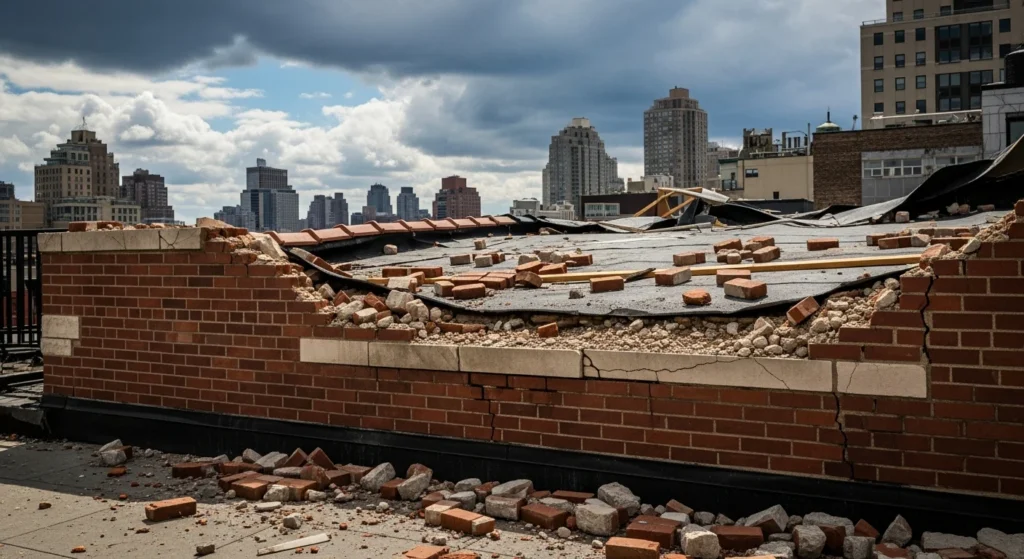
Nor’easters are Long Island’s most frequent and damaging storm type — striking multiple times each fall, winter, and spring. This is the practical prevention guide for the specific vulnerabilities of the Cape Cod housing stock that fills Nassau County and western Suffolk.
Long Island Spring Flood Season: The April-May Sump Pump and Basement Prep Guide
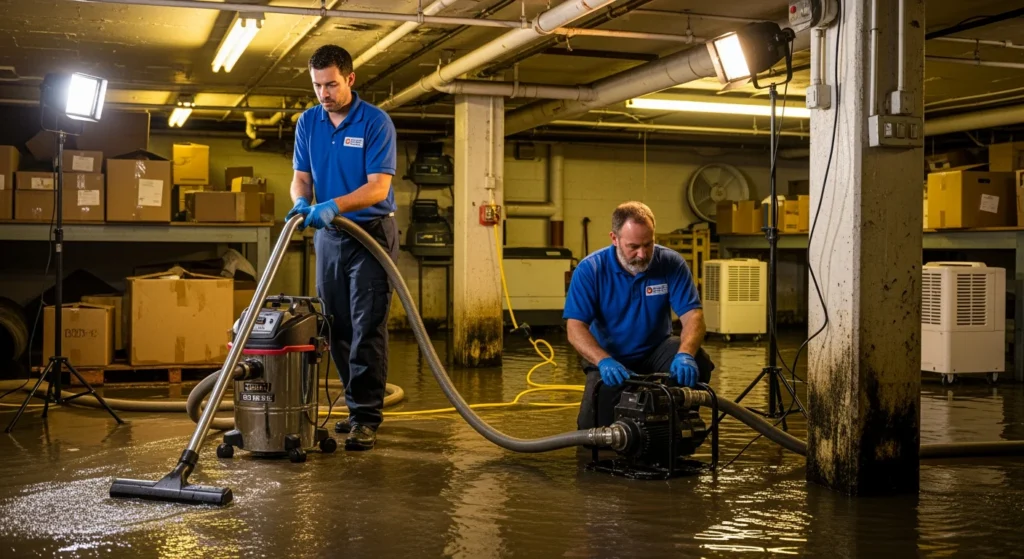
Spring is Long Island’s most active period for basement flooding — snowmelt and April-May rainfall saturate the shallow Nassau County soils while the same systems overwhelm aging sewer laterals in western Suffolk. This is the annual preparation guide every Long Island homeowner needs before April 1.
Ice Dam Formation and Water Damage: The Long Island Winter Risk Guide
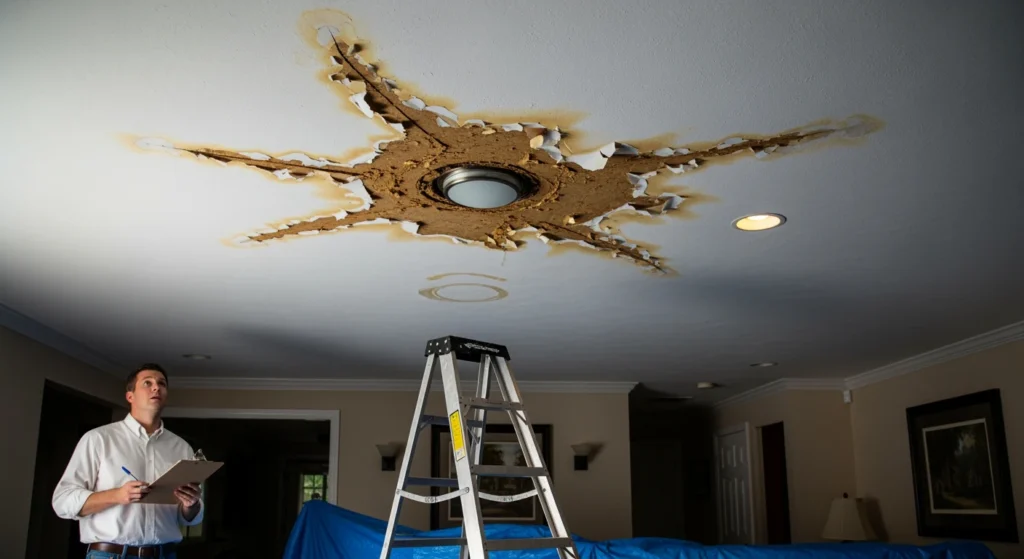
Ice dams are the leading cause of winter water damage in Long Island’s Cape Cod housing stock — the original 1947-1970s roof design creates ideal conditions for ice dam formation, and every winter produces ceiling and attic water damage in thousands of Nassau and Suffolk homes.
Sump Pump Failure on Long Island: Causes, Consequences, and What to Do
On Long Island, a failed sump pump is not a minor inconvenience — it is a structural emergency in a community where 65,000 Hempstead homes sit in FEMA flood zones and the water table is close enough to the surface that basements throughout Nassau County depend on active pumping to stay dry.
Storm Damage Restoration in the Town of Shelter Island, NY
The Town of Shelter Island’s storm damage restoration profile — shaped by its specific coastal exposure, housing stock vulnerability, and post-storm regulatory requirements — requires township-level knowledge to navigate emergency response, insurance documentation, and FEMA Substantial Damage rules correctly.
Storm Damage Restoration in the Town of Southold, NY
The Town of Southold’s storm damage restoration profile — shaped by its specific coastal exposure, housing stock vulnerability, and post-storm regulatory requirements — requires township-level knowledge to navigate emergency response, insurance documentation, and FEMA Substantial Damage rules correctly.
Storm Damage Restoration in the Town of Riverhead, NY
The Town of Riverhead’s storm damage restoration profile — shaped by its specific coastal exposure, housing stock vulnerability, and post-storm regulatory requirements — requires township-level knowledge to navigate emergency response, insurance documentation, and FEMA Substantial Damage rules correctly.
Storm Damage Restoration in the Town of Southampton, NY
The Town of Southampton’s storm damage restoration profile — shaped by its specific coastal exposure, housing stock vulnerability, and post-storm regulatory requirements — requires township-level knowledge to navigate emergency response, insurance documentation, and FEMA Substantial Damage rules correctly.
Storm Damage Restoration in the Town of East Hampton, NY
The Town of East Hampton’s storm damage restoration profile — shaped by its specific coastal exposure, housing stock vulnerability, and post-storm regulatory requirements — requires township-level knowledge to navigate emergency response, insurance documentation, and FEMA Substantial Damage rules correctly.
Storm Damage Restoration in the Town of Smithtown, NY
The Town of Smithtown’s storm damage restoration profile — shaped by its specific coastal exposure, housing stock vulnerability, and post-storm regulatory requirements — requires township-level knowledge to navigate emergency response, insurance documentation, and FEMA Substantial Damage rules correctly.
