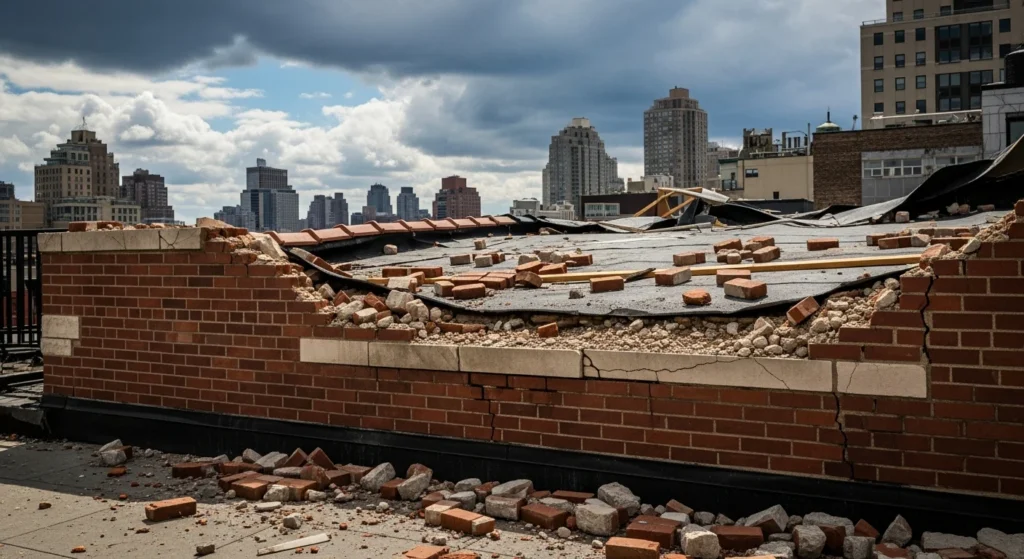
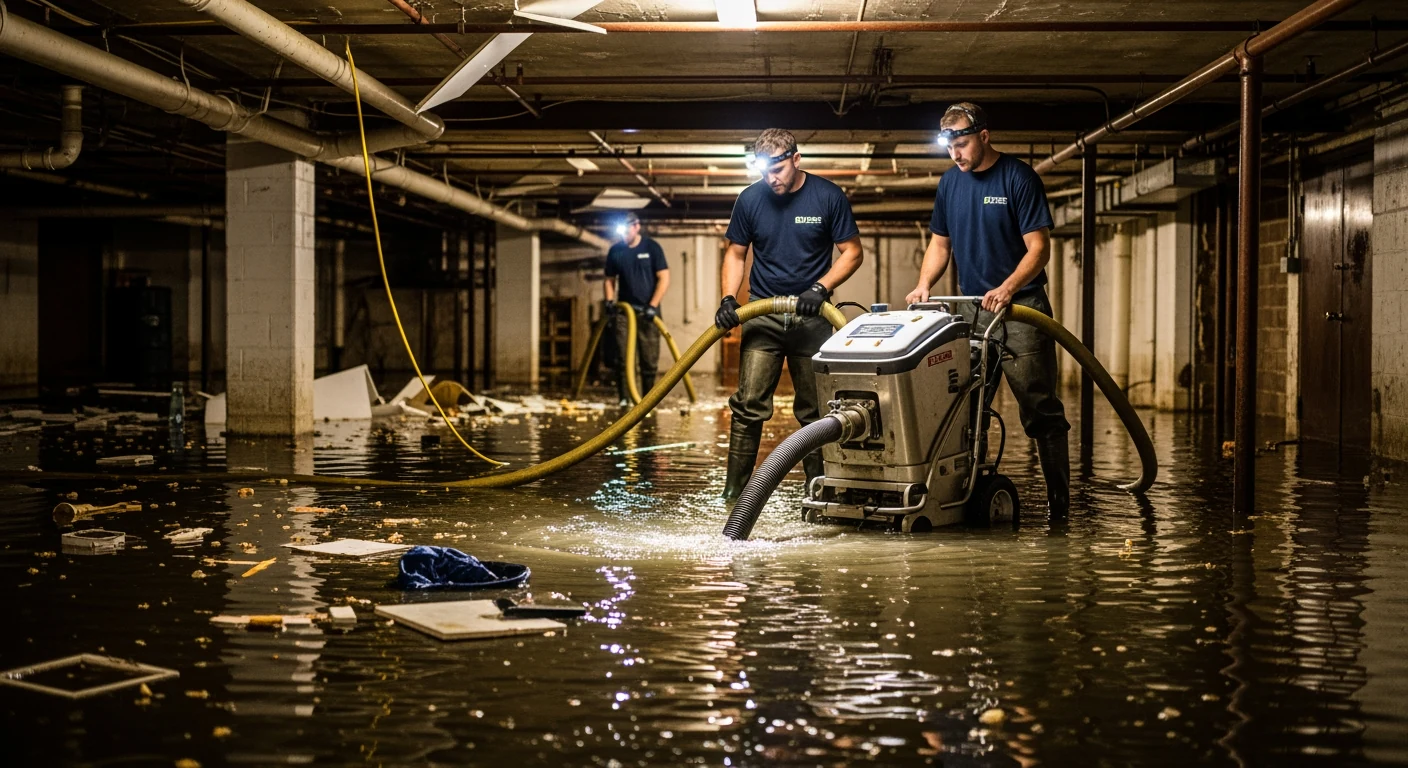
East Hampton’s storm damage profile combines direct Atlantic hurricane exposure at the South Fork’s tip with the seasonal vacancy risk that makes storm damage discovery and response slower here than anywhere else on Long Island. A nor’easter that strips shingles from a Montauk oceanfront property in January may not be discovered until the owners return for spring opening — with weeks of water intrusion already accumulated behind the temporary weather exposure. The township’s direct Atlantic exposure means any Atlantic hurricane recurving northward passes directly over or adjacent to East Hampton before reaching Nassau and western Suffolk — the 1938 Long Island Express hurricane, which remains the benchmark storm for the region, made its closest approach at the South Fork. For the countywide framework covering all storm types and FEMA Substantial Damage rules, see the Long Island Storm Damage Restoration Master Guide.
Emergency Response: The First 48 Hours in East Hampton
Emergency tarping and board-up within 24 to 48 hours of a storm event prevents secondary water intrusion damage from compounding the primary storm loss. Upper Restoration deploys 24/7 emergency storm response throughout East Hampton — arriving within hours of storm department clearance to install structural protection before the next weather event arrives. All emergency stabilization is photographed before installation to document the original storm damage for insurance purposes.
Insurance Context for Storm Damage in East Hampton
Wind damage, ice dam damage, and roof damage from storm events are covered perils under standard homeowners policies. Storm surge and overland flooding require flood insurance. The coverage boundary — distinguishing wind-driven rain damage (potentially homeowners) from surge flooding (flood insurance) — is the most frequently disputed line in Long Island storm claims. Upper Restoration documents both damage pathways separately on every East Hampton loss to support maximum recovery across applicable coverage.
Cost Benchmarks
- Emergency tarping (typical residential roof damage): $800–$3,500.
- Nor’easter roof restoration (shingle replacement + decking): $8,000–$28,000.
- Tree impact through roof (moderate structural scope): $18,000–$55,000.
- Storm surge flooding (coastal communities where applicable): $15,000–$45,000+.