
A Breath of Fresh Air: Tips for Protecting Your Lungs
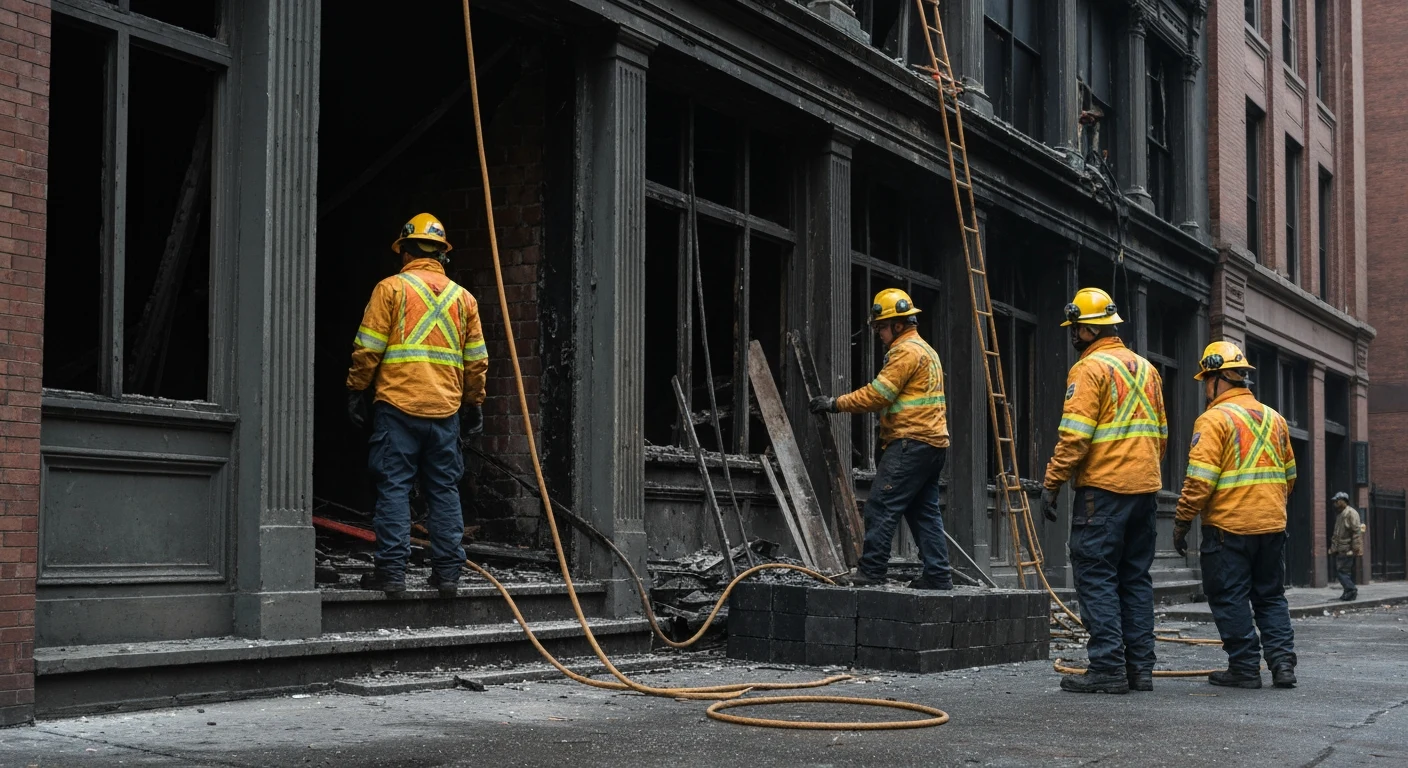
A Breath of Fresh Air: Tips for Protecting Your Lungs — 2026 update from upperrestoration.
Fire Damage: What It Does to Your Home and Health (2026 Guide)

Fire Damage: What It Does to Your Home and Health (2026 Guide) — 2026 update from upperrestoration.
Water Heater Failure in NYC — What the Leak Tells You and What to Do Before It Gets Worse (April 2026)
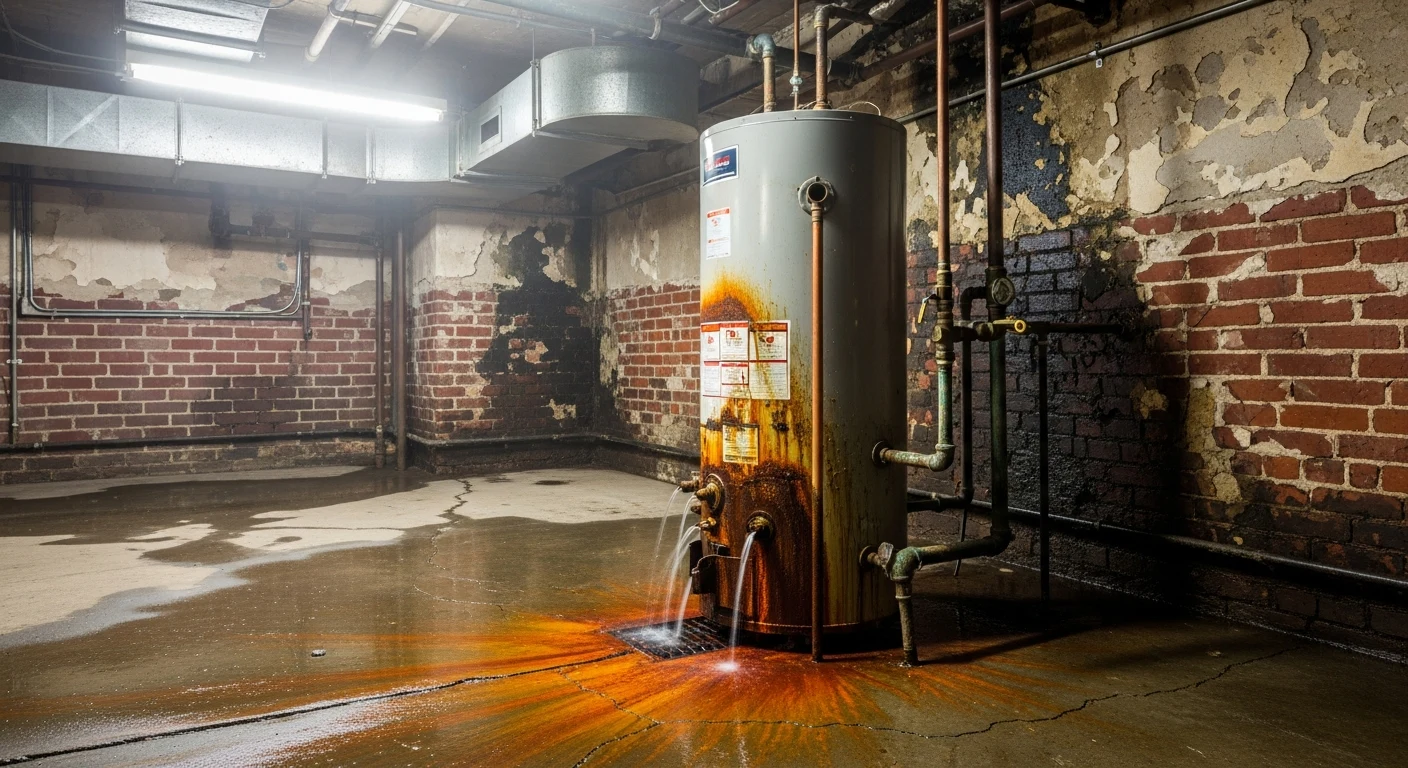
Water heater failures peak in late winter and spring in NYC and Long Island buildings — and slow leaks in basement mechanical rooms go undetected for weeks. Here’s how to diagnose failure type, what water migration looks like by construction type, and when you’re looking at mold.
The April Property Assessment That NYC and Long Island Owners and Landlords Should Do Every Year (April 2026)

The April window between winter damage and summer activity is your highest-leverage maintenance opportunity. Systems-based inspection protocol for NYC and Long Island properties — roof, envelope, basement, HVAC, plumbing — with specific standards after the Blizzard of 2026.
Fire Damage Restoration Cost on Long Island: What You’ll Actually Pay in 2025

Real 2025 fire damage restoration costs for Long Island: minor fires cost $5,000–$20,000; major fires cost $60,000–$150,000+. Learn why smoke damage often costs more than the fire, and how to protect your insurance claim.
Fire Damage on Long Island: What to Do in the First 48 Hours (and What It Costs to Fix)

A step-by-step guide for Long Island homeowners after a house fire: what to do in the first 48 hours, how the restoration process works, what it costs, and how to protect your insurance claim.
Mold in Your Attic: What It Looks Like, Why It’s There, and How to Fix It

Attic mold on Long Island is almost always a ventilation problem—not a leak. A licensed NY mold contractor explains the 3 causes, what it looks like, and how to fix it permanently.
How to Prevent Mold After a Flooded Basement
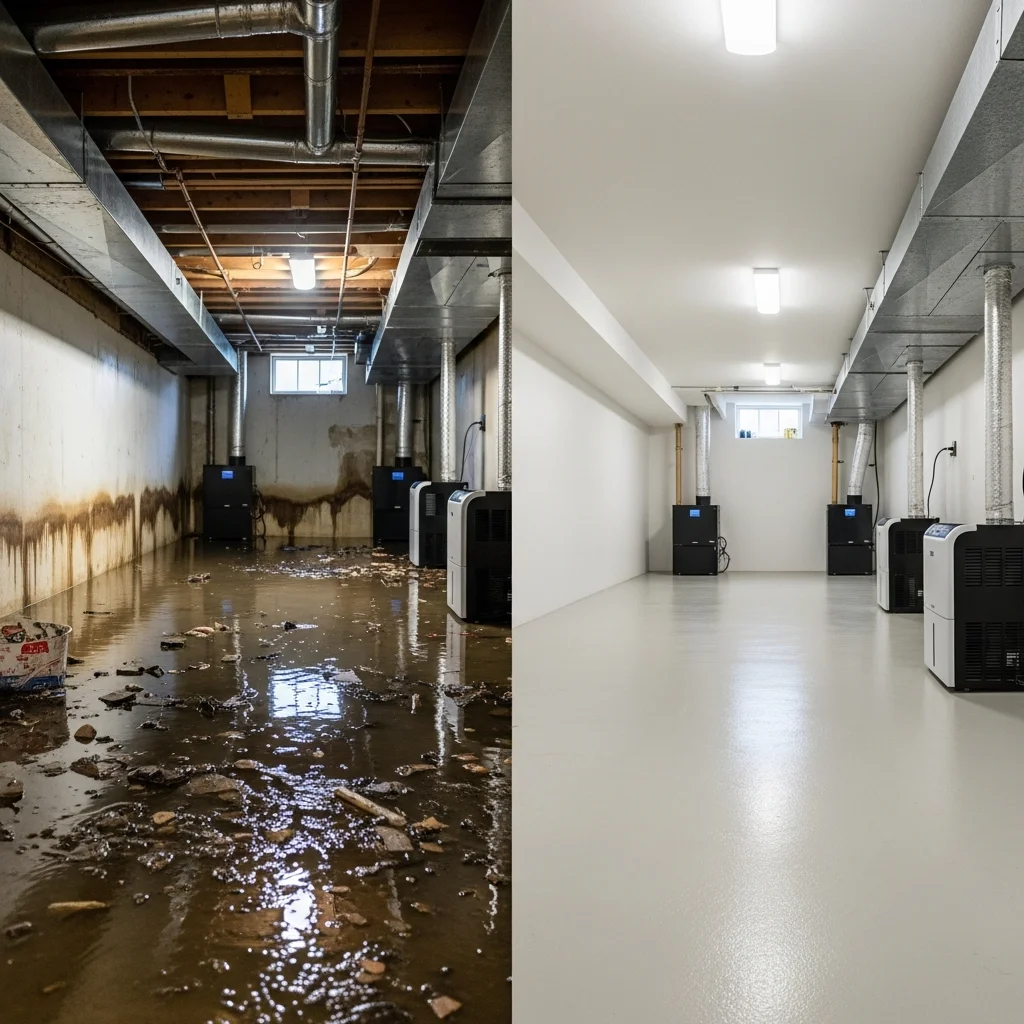
Preventing mold after a flooded basement requires professional-grade extraction and drying within 24-48 hours. Guide to the IICRC-compliant response sequence for NYC and Long Island basements.
Crawl Space Wet Rot Treatment After Water Damage
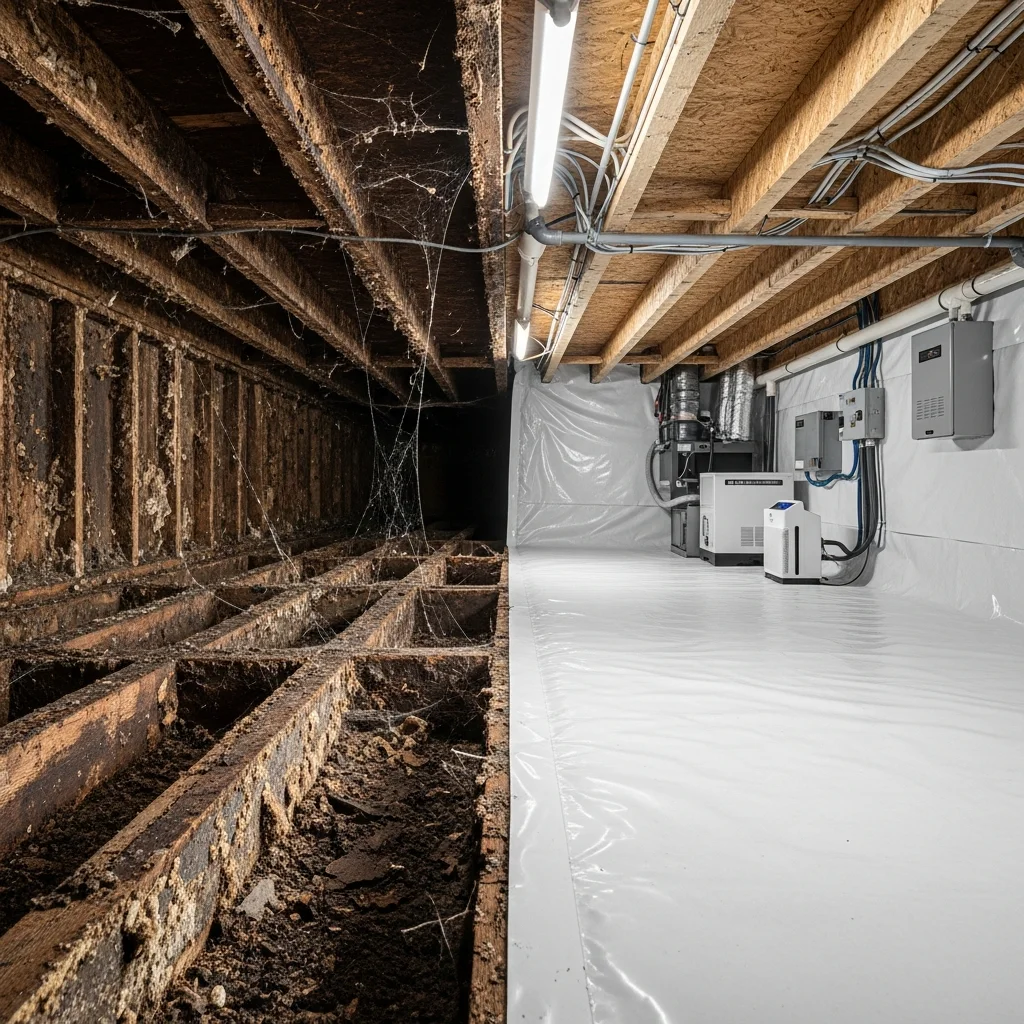
Crawlspace wet rot treatment after water damage involves eliminating the moisture source, removing compromised wood, applying fungicidal treatments, and encapsulating the space. Guide for Long Island and NYC homeowners.
Protecting Your NYC Apartment Building from Flooding
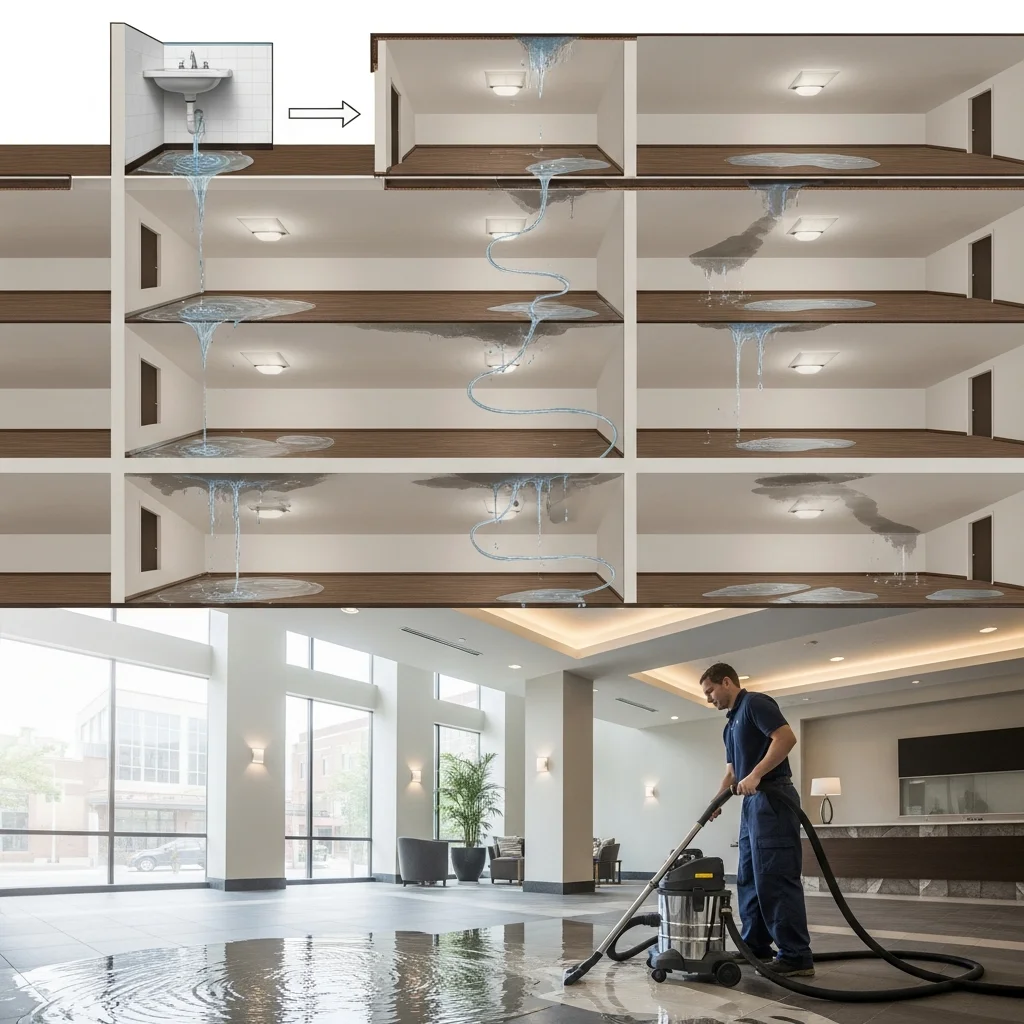
NYC apartment buildings face specific flooding risks from aging plumbing, combined sewer systems, and dense urban infrastructure. Proactive risk assessment and maintenance protocol guide for building owners and managers.
