
Navigating a Fire Damage Insurance Claim in New York: A Step-by-Step Guide (2026)
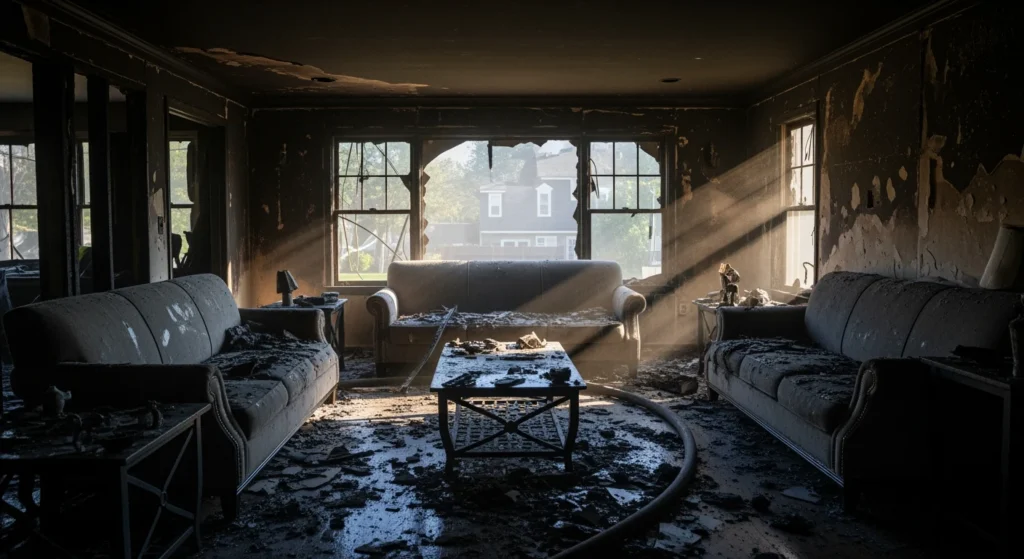
A fire damage insurance claim in New York involves specific steps from first call to final settlement. Here is how to document, file, and negotiate your claim to maximize your recovery.
Thermal Fogging vs. Hydroxyl Generators vs. Ozone: Matching Odor Technology to Smoke Type
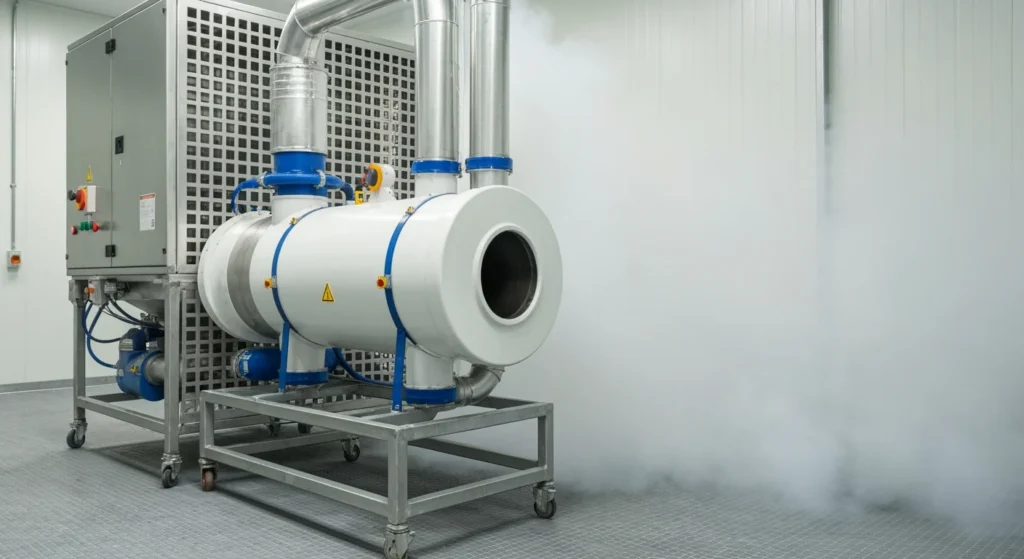
Three primary technologies are used to eliminate smoke odor after Long Island fire events — thermal fogging, hydroxyl generation, and ozone treatment. Each has specific applications, limitations, and situations where it is the correct choice or the wrong choice. Understanding the differences prevents paying for the wrong technology.
Contents Restoration After Fire: Pack-Out, Cleaning Methods, and What Can Be Saved
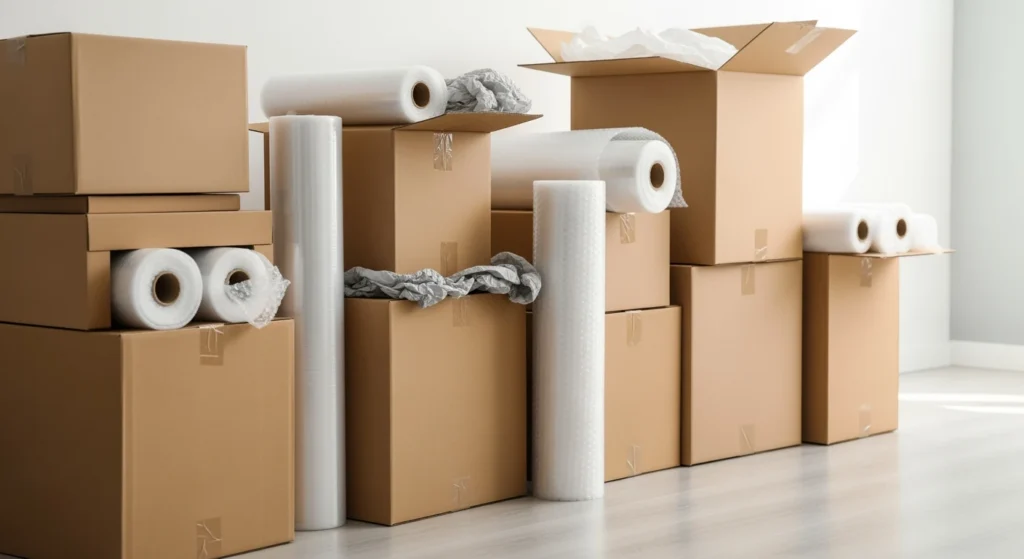
After a Long Island house fire, the restoration of personal property — furniture, electronics, clothing, documents, heirlooms — is a parallel track to structural restoration that requires specialized cleaning methods, off-site pack-out facilities, and realistic expectations about what can and cannot be restored.
Asbestos in Fire Debris: Why Pre-Demolition Testing Is Non-Negotiable in Pre-1980 Long Island Construction
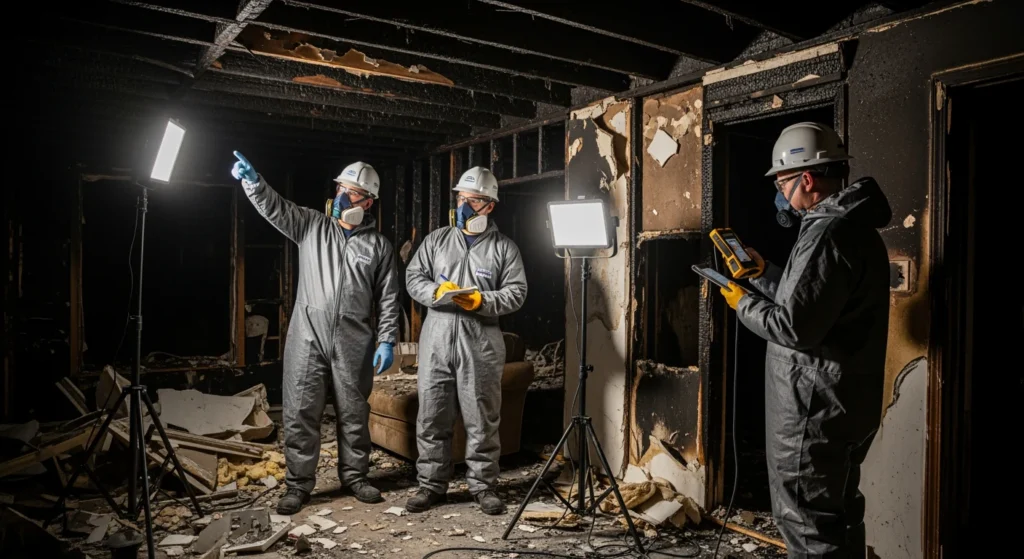
Every structural fire in pre-1980 Long Island construction — which is the majority of the housing stock in Nassau County and western Suffolk — requires asbestos bulk sampling of demolition materials before a single piece of debris can be removed. This is NYS DEC Code Rule 56 compliance, and contractors who skip this step expose Long Island homeowners to regulatory liability and uncapped remediation costs.
Protein Smoke vs. Dry Smoke vs. Wet Smoke: Why Chemistry Determines Cleaning Method
Fire restoration failures — surfaces that look clean but retain odor, soot that reappears weeks after cleaning — almost always result from applying the wrong cleaning chemistry to the wrong smoke type. Long Island fire restoration contractors who treat all smoke the same produce inconsistent results for homeowners whose losses involve non-standard fuel combinations.
Furnace Puffback: The Complete Cleanup Protocol for Oil-Fired Heating Systems
Furnace puffback — the explosive backfire of an oil-fired heating system — is the most common fire-adjacent restoration call Upper Restoration receives in Nassau County’s Cape Cod communities from November through January. This is the complete cleanup protocol and why oil-soot requires different chemistry than structural fire soot.
Fire & Smoke Damage Restoration in Stony Brook, NY
Stony Brook’s fire restoration profile combines standard residential puffback and structural fire response in its surrounding community with the specialized institutional fire restoration needs of Stony Brook University’s research and laboratory facilities — where smoke contamination in research settings requires documented decontamination beyond standard residential protocols.
Fire & Smoke Damage Restoration in Sayville, NY
Sayville’s Victorian-era residential stock creates Long Island’s most preservation-intensive residential fire restoration environment — smoke penetration into original plaster, damage to irreplaceable historic woodwork, and the multi-regulatory compliance of asbestos protocol alongside historic preservation requirements in the same fire loss.
Fire & Smoke Damage Restoration in Farmingdale, NY
Farmingdale’s multi-era construction creates a fire restoration environment where pre-war properties require the most comprehensive asbestos and lead assessment and post-war stock requires the standard pre-1980 protocol — two different assessment approaches in a single small village.
Fire & Smoke Damage Restoration in Huntington Station, NY
Huntington Station’s dense split-level and Colonial housing produces consistent oil-heat puffback demand and the standard pre-1980 asbestos assessment requirement for structural fires — and the community’s high residential density creates fire spread risk between adjacent structures when suppression is not rapid.
