
The Aftermath of a Hurricane: 10 Steps to Take to Stay Safe and Recover
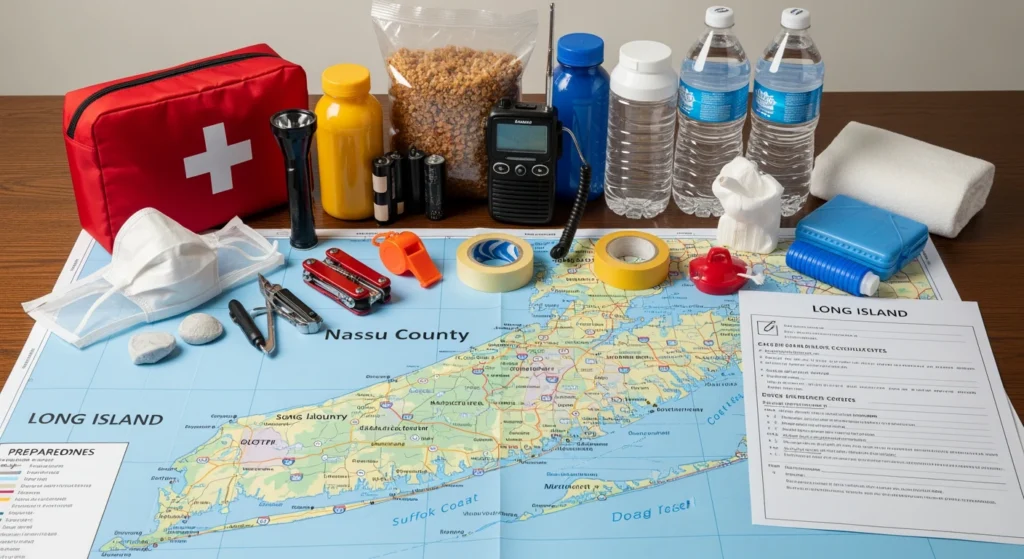
The Aftermath of a Hurricane: 10 Steps to Take to Stay Safe and Recover — 2026 update from upperrestoration.
Stay Safe During a Hurricane: 10 Essential Items to
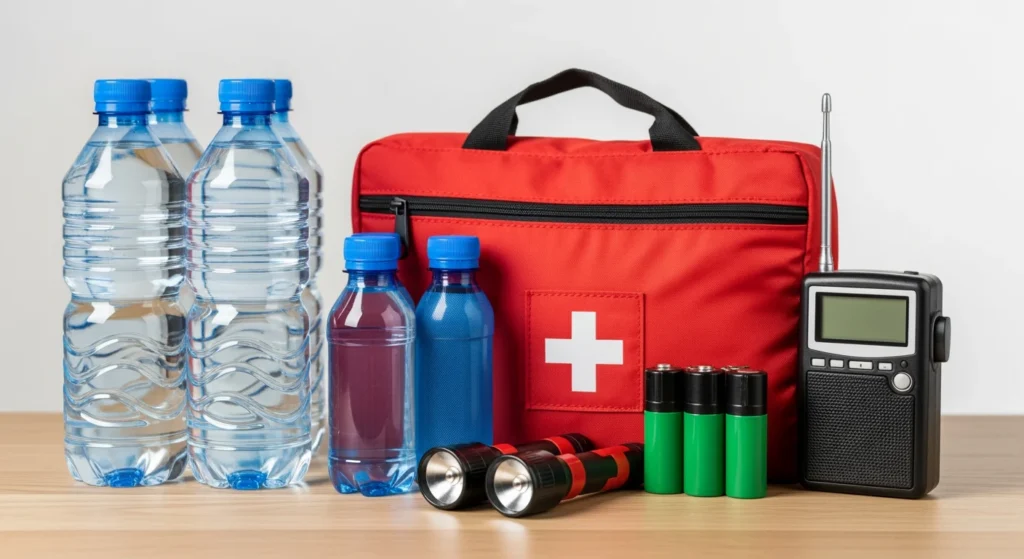
Stay Safe During a Hurricane: 10 Essential Items to — 2026 update from upperrestoration.
Fire Damage Repair and Restoration on Long Island: From Emergency Response to Finished Project
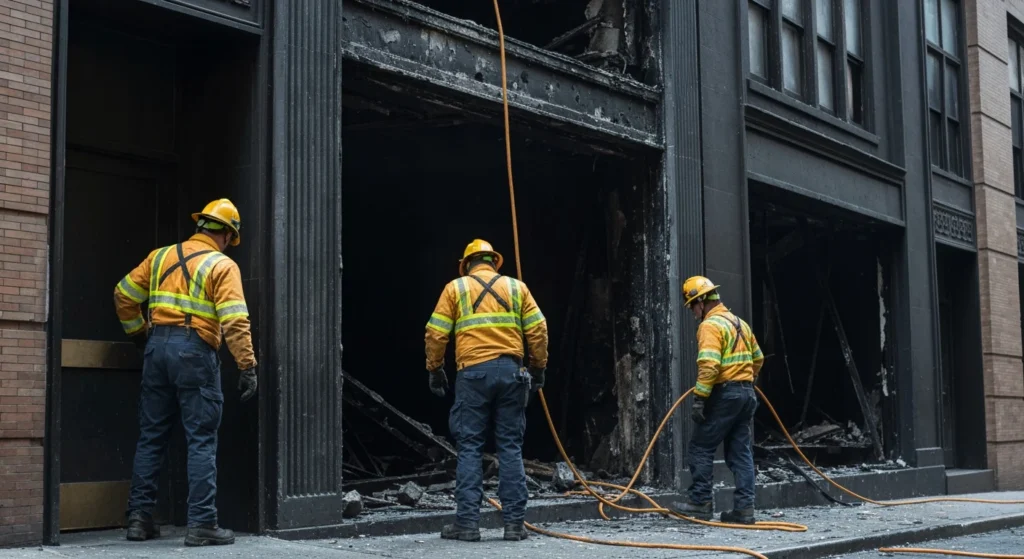
The complete 6-stage fire damage restoration process for Long Island properties — emergency stabilization, smoke remediation, and full reconstruction with insurance guidance.
Smoke Damage Repair on Long Island: What the Process Actually Involves
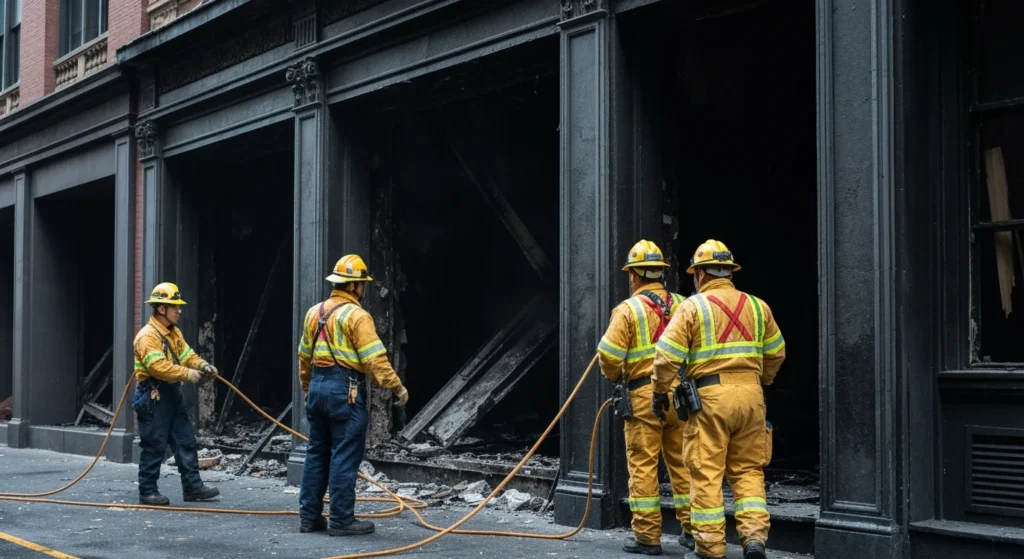
How professional smoke damage repair works — soot type identification, HVAC cleaning, structural deodorization, and insurance guidance for Long Island fire and smoke damage.
Fire and Smoke Damage Restoration: The Complete Process and Health Risks Explained
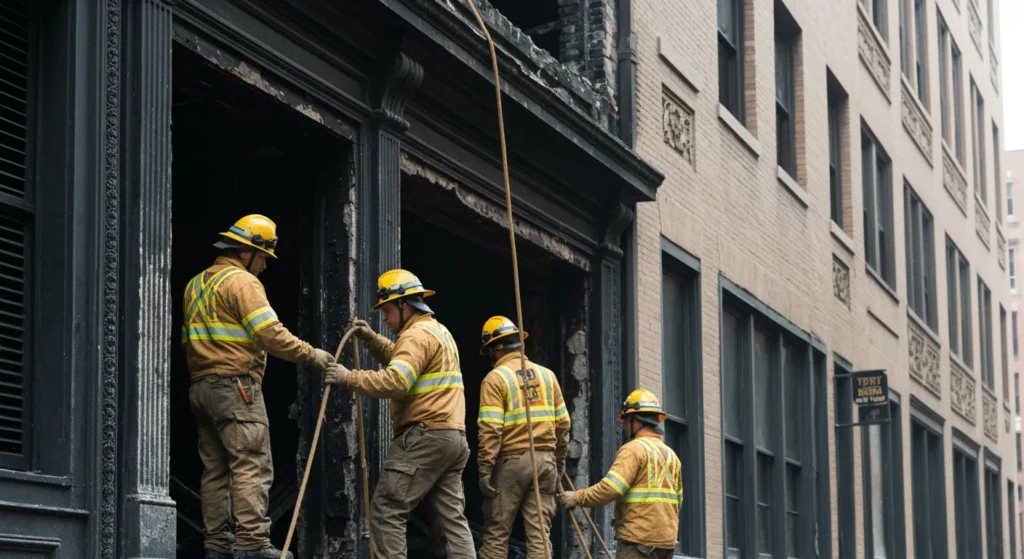
The complete 8-phase fire and smoke damage restoration process — including soot cleaning, deodorization, health risks from smoke, and insurance guidance for Long Island and NYC.
Flood Damage Restoration on Long Island: What Happens After the Water Recedes
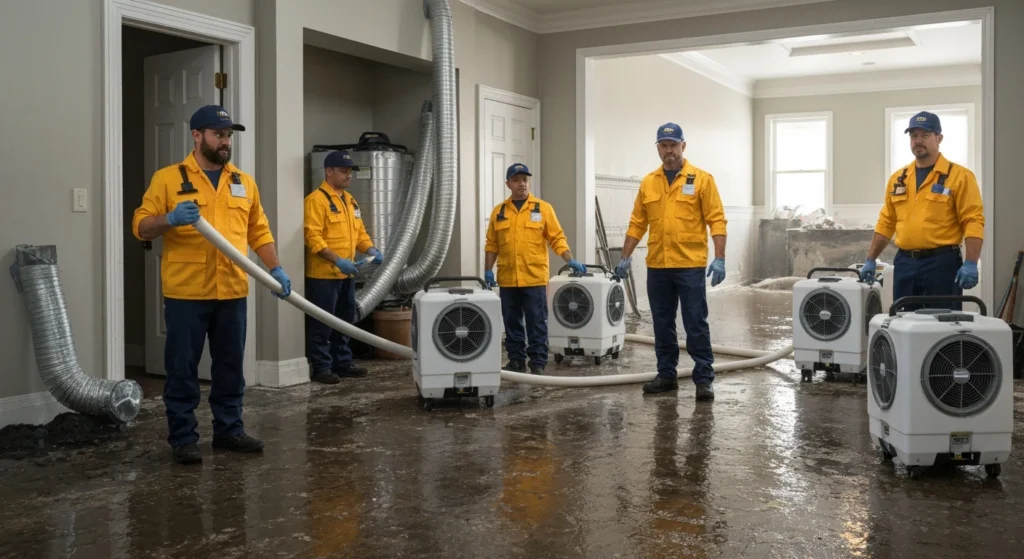
Complete guide to flood damage restoration for Long Island homeowners — the 7-step process, insurance guidance, FEMA flood zones, and why response speed determines total recovery cost.
Storm Surge vs. Freshwater Flooding: Cleanup Differences
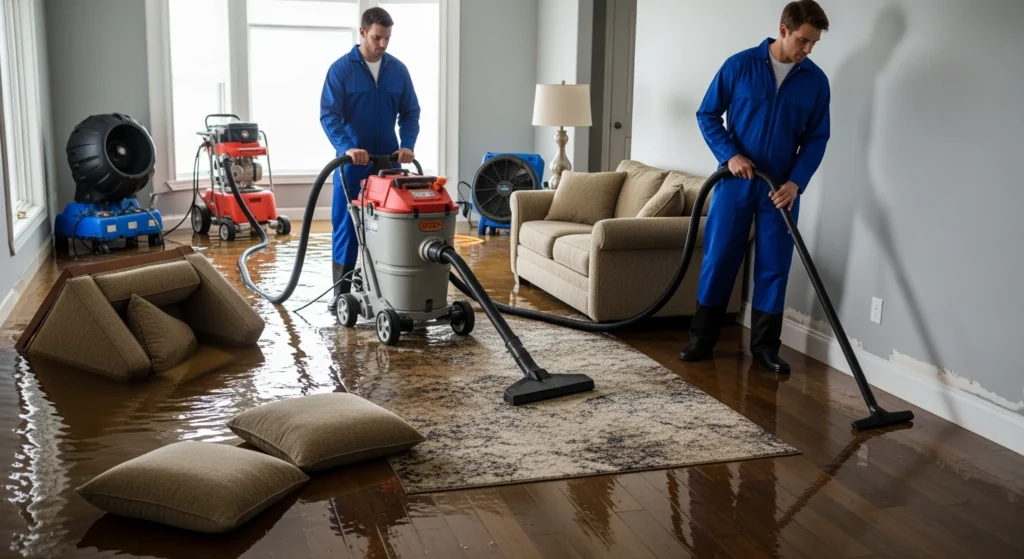
Coastal flooding involves salt. Learn why storm surge damage requires different restoration protocols than freshwater floods to prevent structural corrosion.
LGR vs. Desiccant Dehumidifiers: Choosing the Right Tech for Commercial Water Damage
Compare Low Grain Refrigerant (LGR) and Desiccant dehumidifiers for commercial water restoration. Learn which technology dries your Long Island building faster.
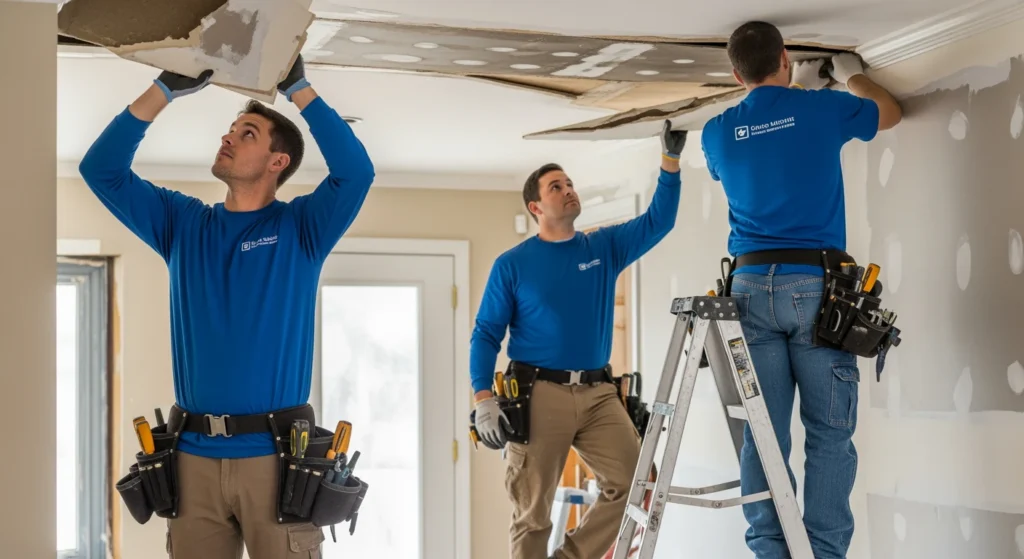
Mitigation vs. Reconstruction: The Gap in the Restoration Process
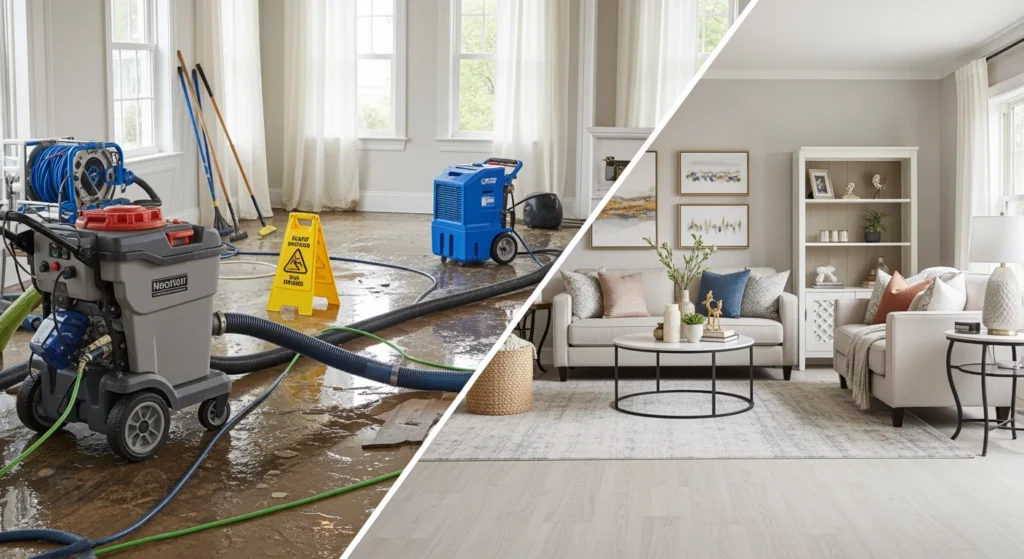
Understand the difference between emergency mitigation and physical reconstruction. Learn how Upper Restoration’s Start-to-Finish model bridges the gap.
Thermal Imaging for Hidden Leak Detection
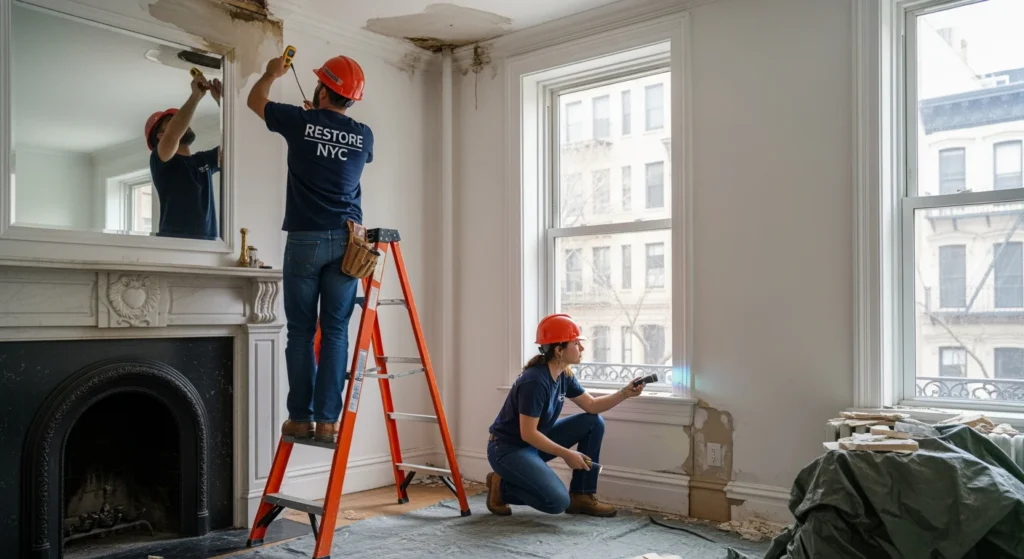
See the unseen. How Upper Restoration uses infrared thermal imaging to find hidden water leaks behind walls without destruction.
