Fire and Smoke Damage Restoration: The Complete Process and Health Risks Explained
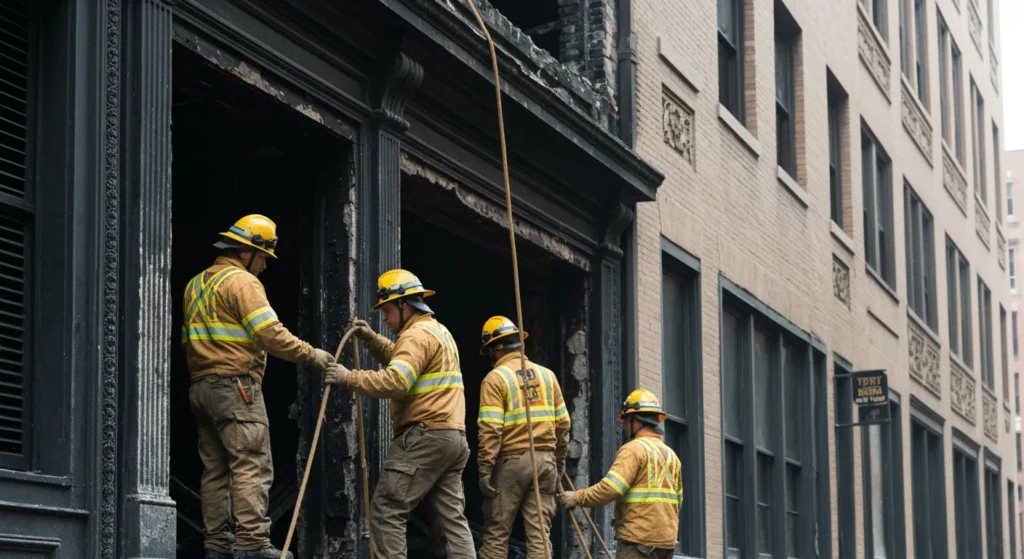
A house fire creates multiple simultaneous damage types: char and structural damage from the flames themselves, smoke and soot penetration throughout the entire structure, water damage from firefighting efforts, and ongoing chemical off-gassing from burned synthetic materials. Effective restoration addresses all of these — not just the visible fire damage.
Upper Restoration responds to fire damage emergencies across Long Island and New York City. This guide explains exactly what the restoration process involves, what health risks persist after a fire, and why some of the most serious damage is invisible to the naked eye.
The Invisible Danger: What Smoke Does to a Structure
Smoke travels. It moves through HVAC systems, penetrates wall cavities, settles into insulation, and coats surfaces in rooms that never saw flames. The soot deposited by a house fire is not just a cosmetic issue — it is acidic, and it continues to corrode metal surfaces, etch glass, and stain porous materials for weeks after a fire if not properly addressed.
Modern homes contain synthetic materials — plastics, foams, carpeting, upholstery — that produce particularly toxic smoke when burned. This smoke contains volatile organic compounds (VOCs), carbon monoxide, and fine particulates that embed in building materials and continue to off-gas long after the fire is extinguished. This is why occupants sometimes notice persistent health symptoms — headaches, respiratory irritation, eye irritation — after returning to a structure that appears clean.
Health Risks After a House Fire
The health risks from a fire-damaged structure do not end when the fire is out. Key hazards include:
- Soot and fine particulates: Ultrafine soot particles can penetrate deep into lung tissue. Surfaces that appear clean may still carry invisible soot that becomes airborne with foot traffic or HVAC operation.
- Chemical off-gassing: Burned synthetic materials release compounds including formaldehyde, benzene, and acrolein that continue off-gassing from walls, flooring, and contents.
- Mold: Water used to extinguish a fire creates conditions for mold growth within 24 to 48 hours in affected areas. Fire damage + water damage = rapid mold risk.
- Structural instability: Fire weakens structural members. Flooring, stairs, and roofing that appear intact may have compromised load capacity.
- Asbestos disturbance: In older Long Island and NYC properties, fire frequently disturbs asbestos-containing materials in flooring, insulation, or ceiling tiles — releasing fibers that require professional abatement before restoration can proceed.
The Fire and Smoke Damage Restoration Process
Phase 1: Emergency stabilization
Immediately after fire department clearance, the structure is secured — windows boarded, roof tarped if breached, utilities isolated. This phase prevents additional weather damage and unauthorized entry.
Phase 2: Damage assessment
Our team documents all fire, smoke, soot, and water damage with photos and moisture readings. In properties built before 1980, we assess for potential asbestos disturbance before any demolition begins.
Phase 3: Water extraction and drying
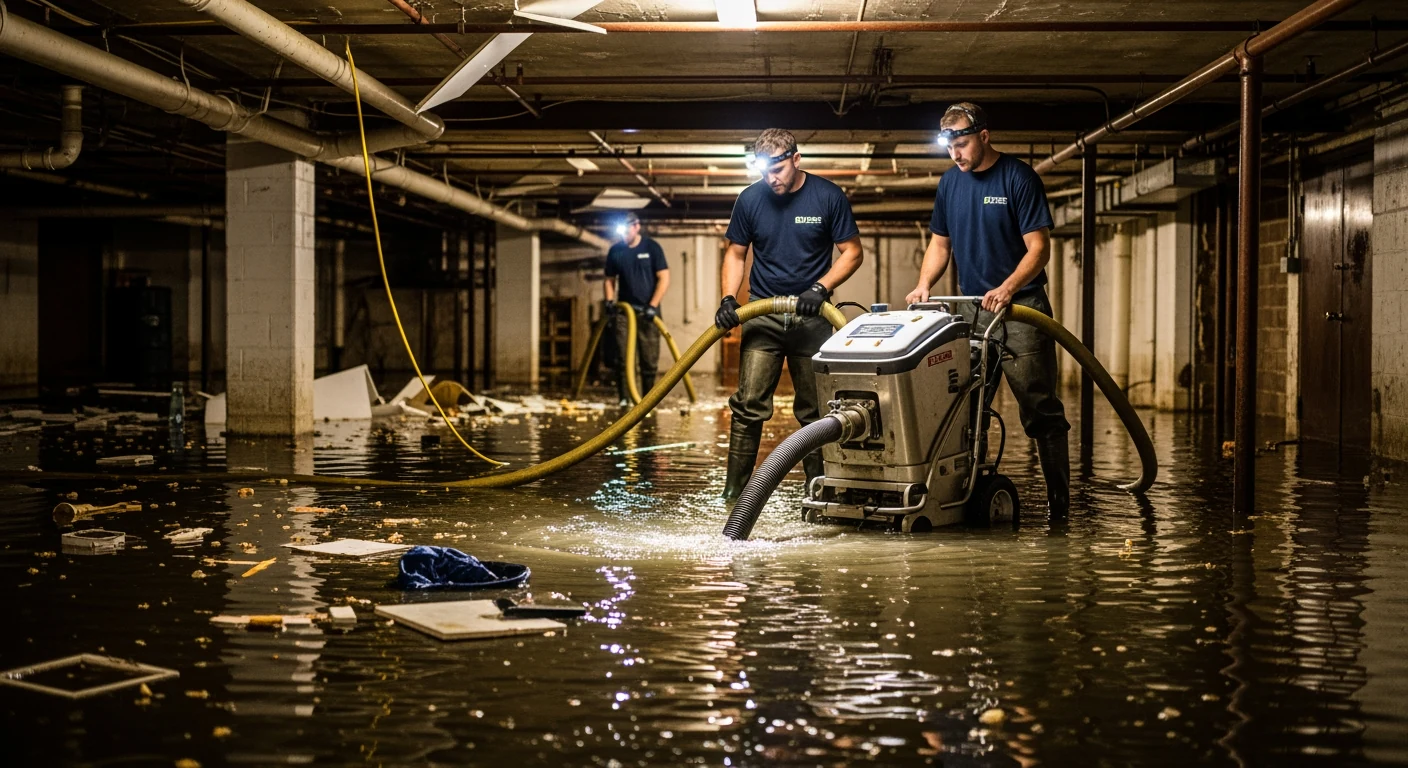
Fire suppression leaves significant water damage. All standing water is extracted and a structural drying program is established before smoke remediation begins — wet surfaces cannot be effectively cleaned.
Phase 4: Soot and smoke cleaning
Different soot types require different cleaning methods. Dry smoke (from fast-burning fires) is powdery and requires dry chemical sponges. Wet smoke (from slow-burning, low-oxygen fires) is sticky and smears — it requires wet cleaning agents. Protein smoke from kitchen fires is nearly invisible but carries intense odor. Our technicians identify the soot type and apply the appropriate cleaning method to each surface.
Phase 5: Structural deodorization
Odor molecules penetrate deeply into porous materials — drywall, framing, insulation, subfloor. Eliminating fire odor requires thermal fogging, hydroxyl treatment, or ozone treatment to reach smoke molecules inside the structure. Surface cleaning alone does not eliminate embedded odor.
Phase 6: HVAC cleaning
The HVAC system is a smoke distribution network during a fire. Ductwork, air handler components, and filters must be cleaned or replaced to prevent soot and odor from recirculating after restoration.
Phase 7: Demolition and debris removal
Structural materials that cannot be cleaned to acceptable levels — heavily charred framing, soot-saturated insulation, compromised drywall — are removed and disposed of. Asbestos-containing materials disturbed by fire require licensed abatement before general demolition proceeds.
Phase 8: Reconstruction
The structure is rebuilt from the inside out — framing, insulation, drywall, electrical, flooring, and finish work — to its pre-loss condition or better.
Frequently Asked Questions
Can I clean smoke damage myself?
Surface wiping with household cleaners does not address smoke odor embedded in building materials, soot inside wall cavities, or chemical contamination from burned synthetics. Improper cleaning can also spread soot and cause permanent staining. Professional restoration equipment and training produce outcomes that DIY cleaning cannot.
What is the smoke remediation process?
The smoke remediation process includes surface cleaning with appropriate chemical agents for the soot type, HVAC system cleaning to remove soot from ducts, and deodorization using thermal fogging, hydroxyl generators, or ozone treatment to neutralize smoke odor molecules embedded in building materials.
How long does fire damage restoration take?
A kitchen fire affecting one room may be completed in one to two weeks. A structure fire involving multiple rooms and requiring significant reconstruction can take several months. Upper Restoration provides a detailed timeline after the initial assessment.
Does insurance cover fire damage restoration?
Yes — fire damage is one of the most clearly covered perils under standard homeowners insurance policies. Coverage typically includes emergency stabilization, smoke and soot cleaning, water damage from fire suppression, contents cleaning, and structural reconstruction. Upper Restoration works directly with your insurance adjuster and documents scope of loss throughout the project.
Is it safe to be in a fire-damaged house?
No. A fire-damaged structure should not be occupied until it has been assessed by a restoration professional. Soot, chemical off-gassing, structural instability, water damage, and potential asbestos disturbance all pose risks to occupants. Your insurance policy typically covers temporary housing (additional living expenses) during restoration.
What are the health risks from smoke and soot?
Soot particles can irritate respiratory systems, and the chemicals in smoke from burned synthetic materials include known irritants and toxic compounds. People with asthma, heart conditions, or compromised immune systems are particularly vulnerable. Persistent symptoms after re-entry to a fire-damaged property should be taken seriously.