
Basement Flooding in Nassau County: Causes, Prevention, and the Restoration Process
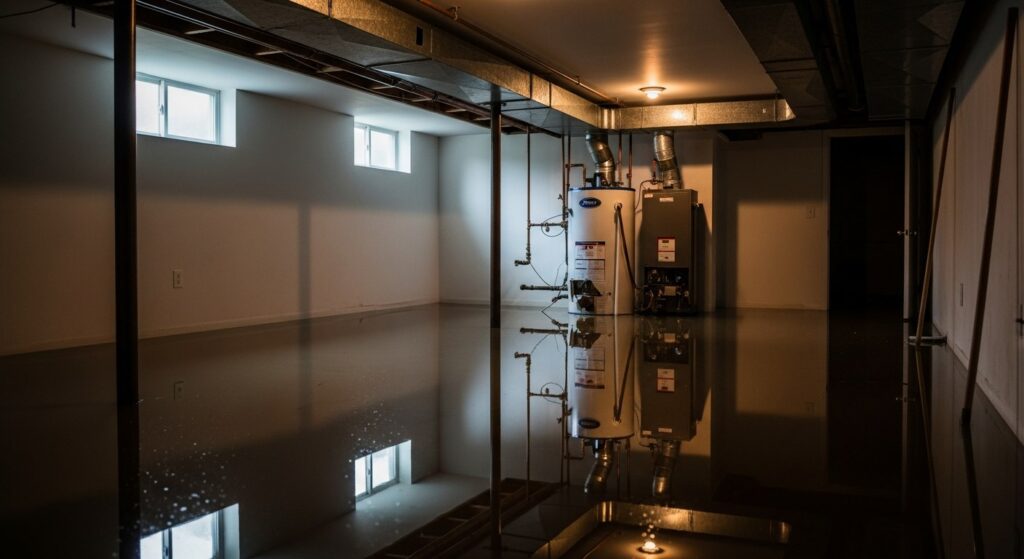
Why Nassau County basements flood, the most effective prevention measures, and how professional restoration handles a flooded basement from extraction to dry-out.
Water Damage Repair and Mitigation on Long Island: Understanding the Difference
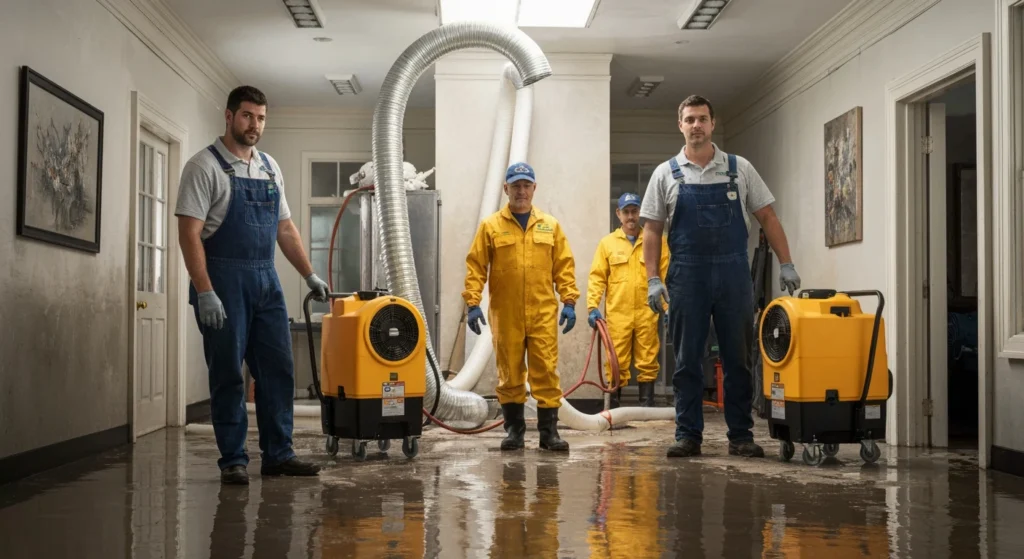
The difference between water mitigation and water damage repair, what each phase includes, and the full restoration timeline for Long Island homeowners.
Flood Damage Restoration on Long Island: What Happens After the Water Recedes
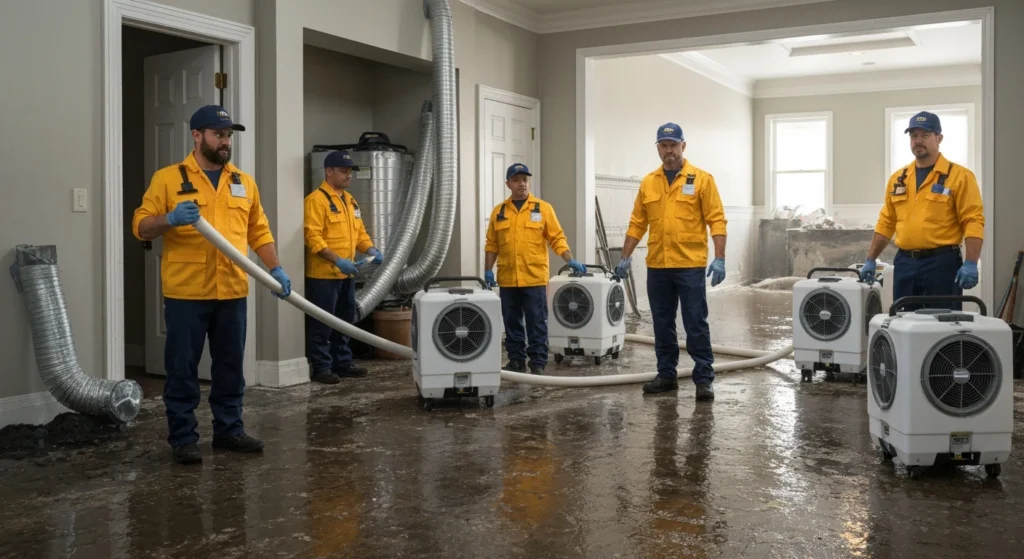
Complete guide to flood damage restoration for Long Island homeowners — the 7-step process, insurance guidance, FEMA flood zones, and why response speed determines total recovery cost.
The April Property Assessment That NYC and Long Island Owners and Landlords Should Do Every Year (April 2026)
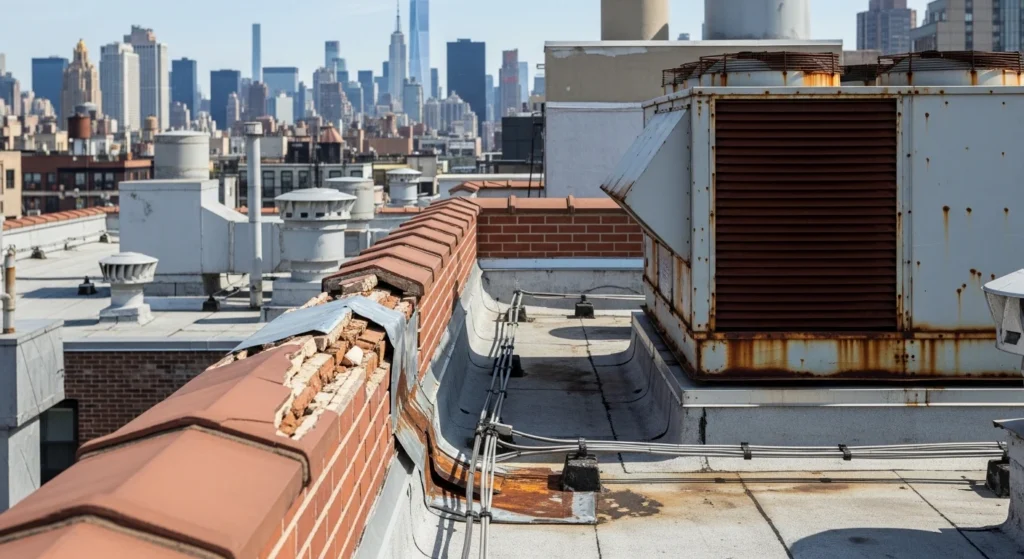
The April window between winter damage and summer activity is your highest-leverage maintenance opportunity. Systems-based inspection protocol for NYC and Long Island properties — roof, envelope, basement, HVAC, plumbing — with specific standards after the Blizzard of 2026.
Flood Damage Cleanup vs. Water Mitigation: Understanding the Difference
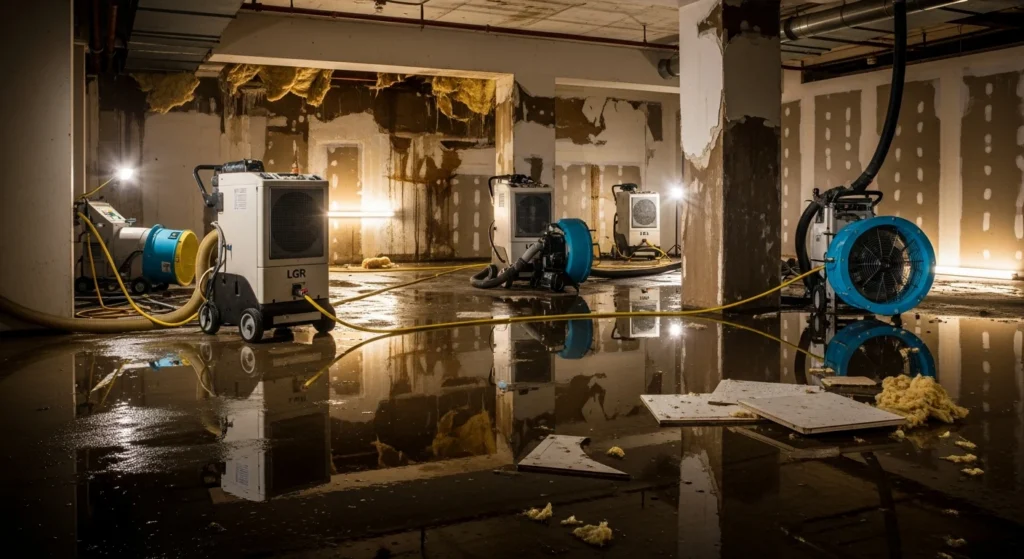
Water mitigation and flood damage are different problems with different contamination levels, different insurance coverage, and different cleanup protocols. Critical distinction for NYC and Long Island property owners.
The Ultimate Guide to Water & Flood Damage Restoration in Long Island & NYC
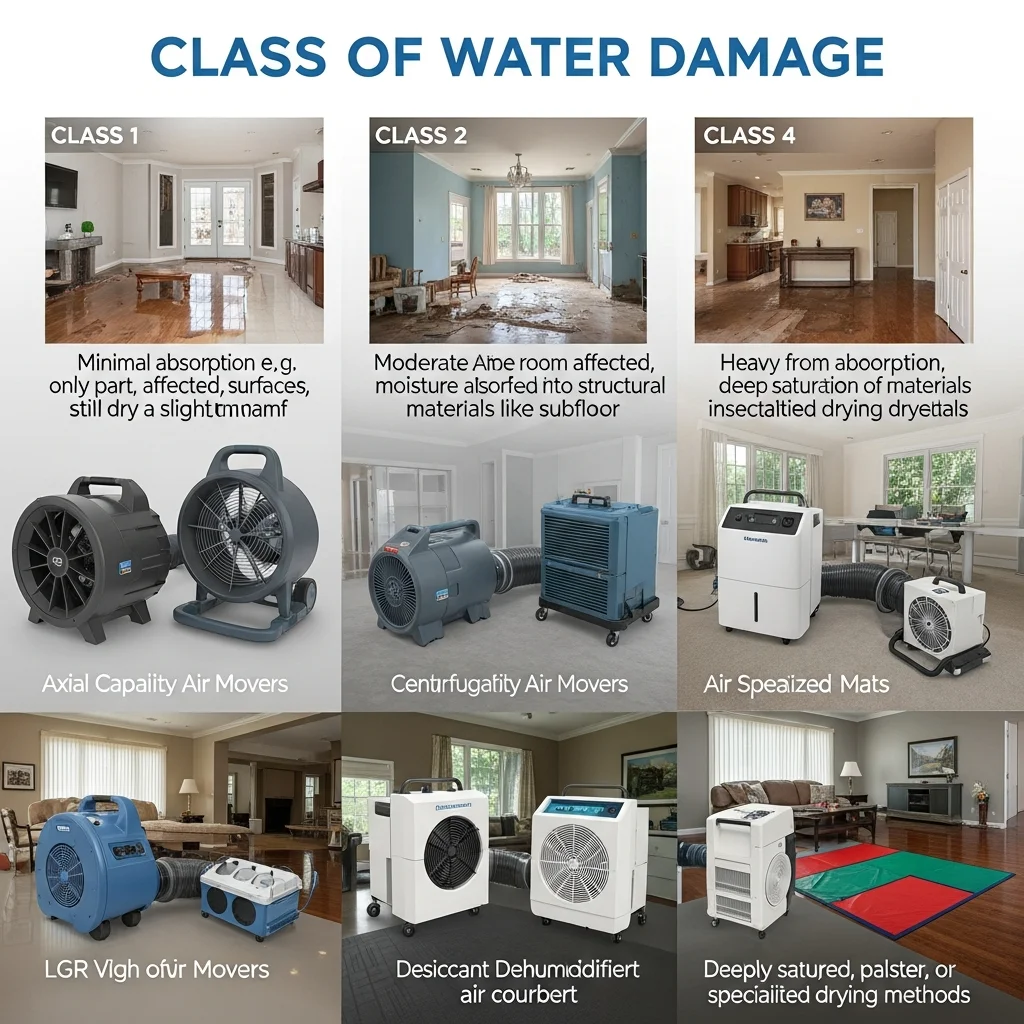
Water damage restoration in NYC and Long Island involves four sequential phases: emergency response, mitigation, mold assessment, and reconstruction — each with specific regulatory requirements. Complete 2026 guide.
Why March Is the Most Dangerous Month for NYC and Long Island Properties — and What to Do When It Hits (March 2026)
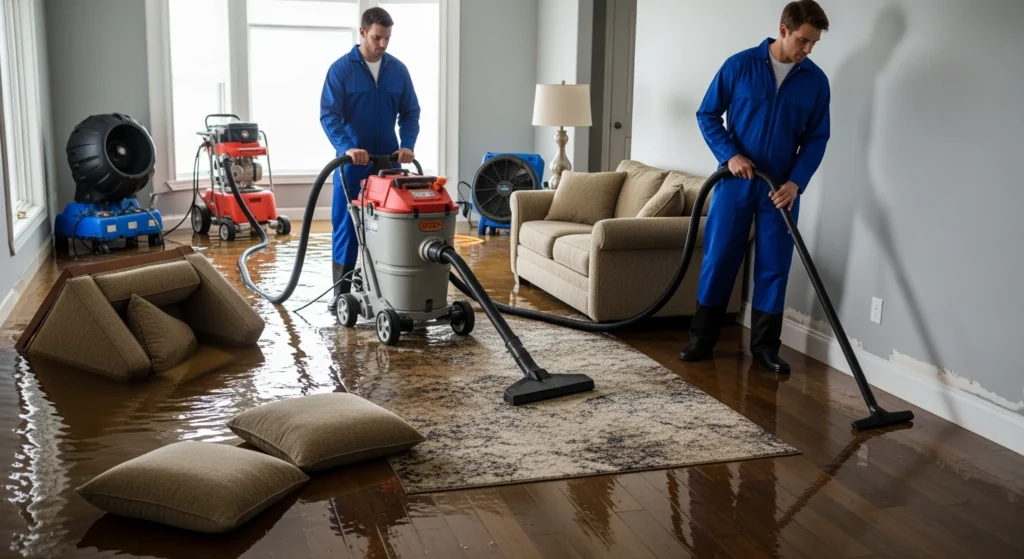
NYC and Long Island face a triple threat every March: snowmelt, nor’easter rain, and thawing frozen infrastructure. After the Blizzard of 2026, here’s the expert guide to the 24–48 hour response window.
Storm Surge vs. Freshwater Flooding: Cleanup Differences
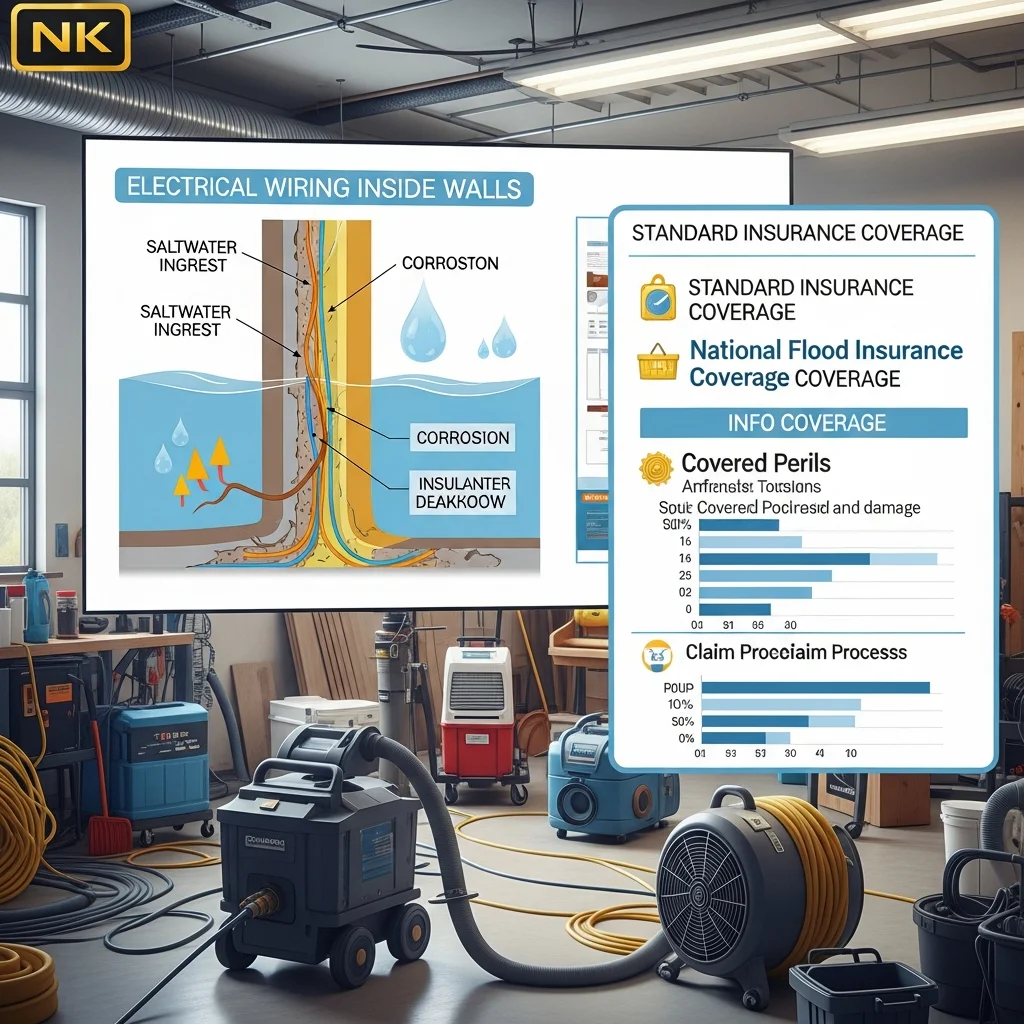
Coastal flooding involves salt. Learn why storm surge damage requires different restoration protocols than freshwater floods to prevent structural corrosion.
Hazmat & Biohazard Cleanup: Water Categories 1, 2 & 3 Explained
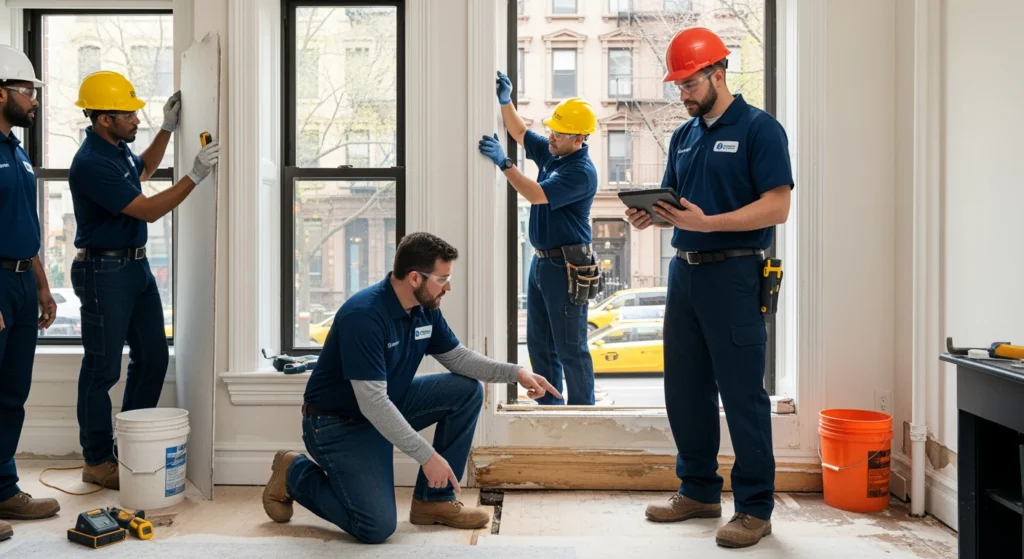
Not all water damage is equal. Category 3 black water and biohazard events require hazmat-level cleanup protocols. Long Island & NYC licensed response.
After the Flood: Steps to Take for Safe and Effective Cleanup
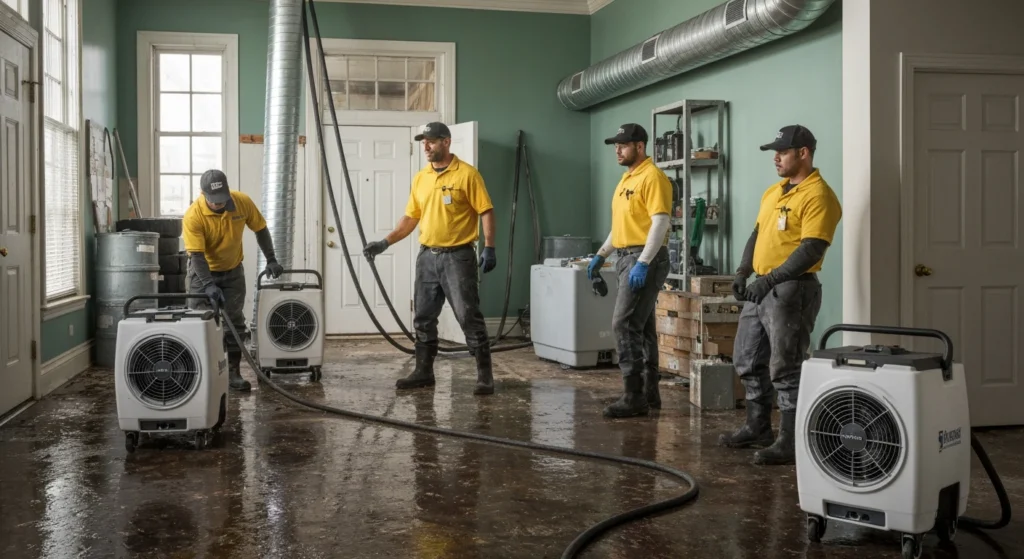
Introduction Flooding is a natural disaster that can wreak havoc on homes and communities. Once the waters recede, the process of cleaning up can be overwhelming. water damage can lead to mold growth, structural damage, and health hazards. It’s important to take the right steps to ensure a safe and effective cleanup. Understanding the Risks […]
