Storm Damage Restoration on Long Island: Nor’easter and Hurricane Recovery
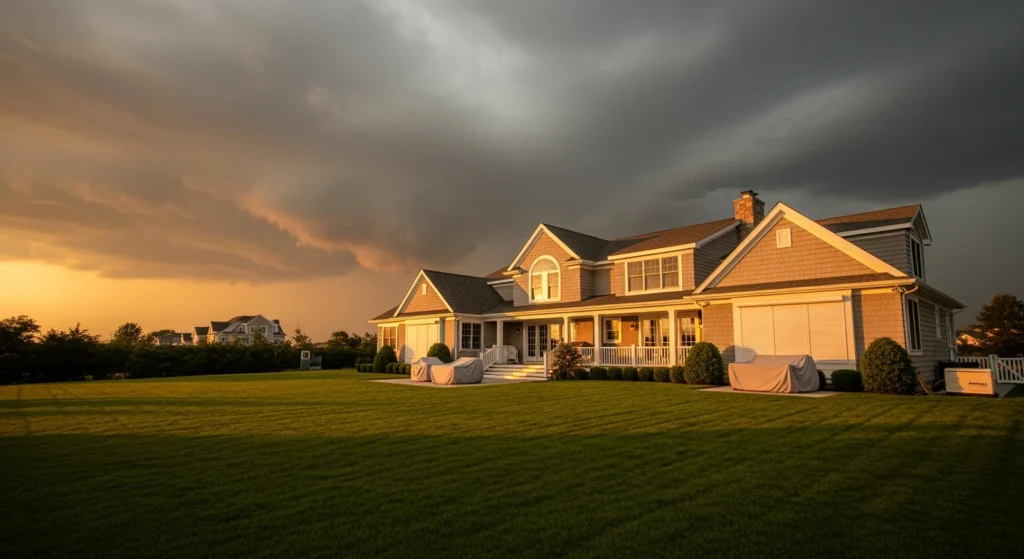
Storm damage on Long Island strikes with seasonal intensity, from devastating nor’easters in fall and winter to Atlantic hurricanes during summer and early fall. Long Island’s coastal and near-coastal geography makes it one of the Northeast’s most storm-vulnerable regions, facing unique hazards like wind damage, flooding, fallen trees, and storm surge. This comprehensive guide covers storm damage restoration specific to Long Island, including types of damage, recovery procedures, FEMA assistance, insurance claims, and emergency response steps. Understanding your risks and having a recovery plan prepares you for inevitable storm events.
Types of Storm Damage on Long Island
Long Island storms produce multiple damage types, often affecting properties simultaneously and requiring specialized restoration expertise.
Wind Damage: Nor’easters and hurricanes generate sustained winds of 40–75+ mph, tearing off roofing, siding, and gutters. Wind-driven rain penetrates walls and roof penetrations, causing interior water damage hours after the storm passes. Older roof systems and homes over 20 years old are particularly vulnerable.
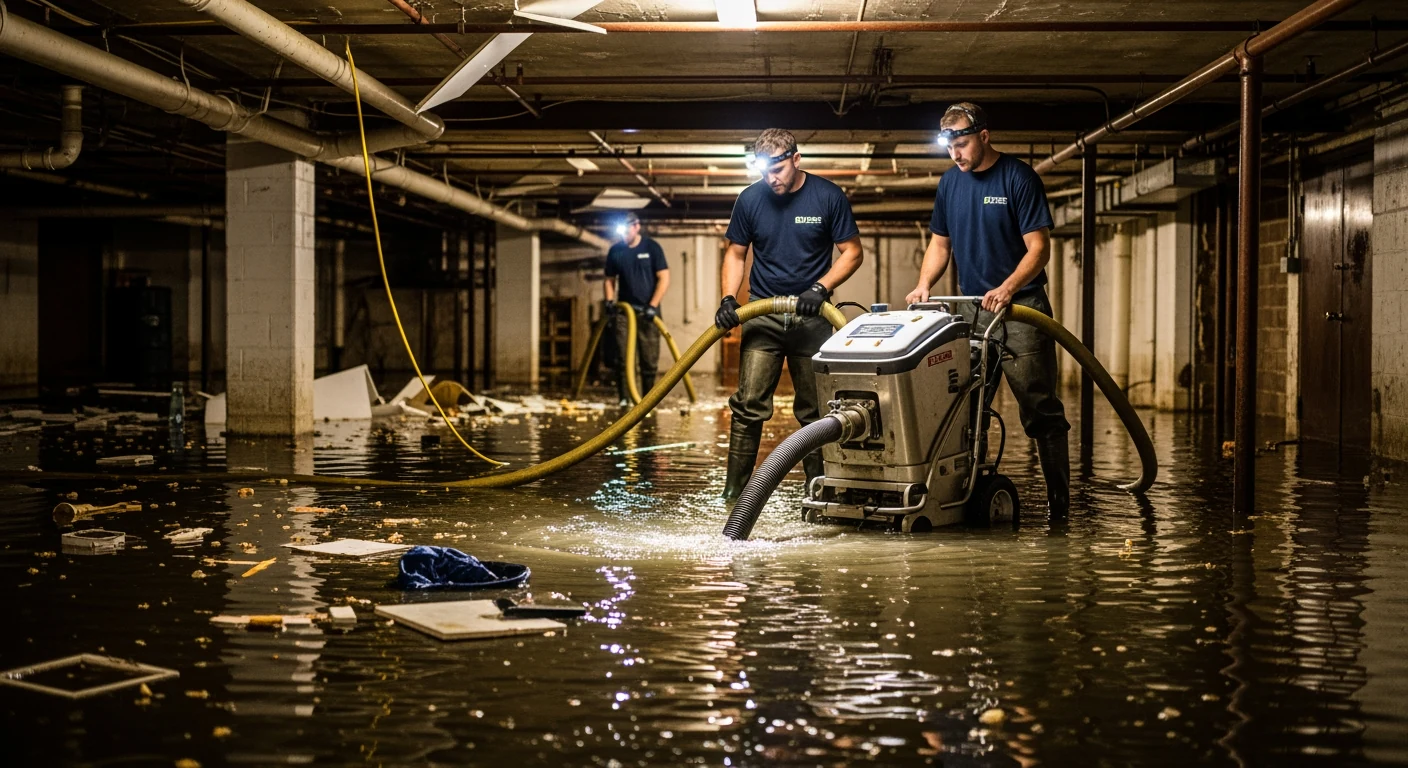
Flood Damage: Long Island experiences two flooding mechanisms: coastal storm surge and inland freshwater flooding. Storm surge from hurricanes and nor’easters pushes saltwater inland, inundating ground-level structures and contaminating freshwater supplies. Heavy rainfall overwhelms municipal drainage and backs up sewer systems. According to NOAA data, Long Island experiences an average of 2–4 major nor’easters per year, often causing widespread flooding.
Fallen Trees and Branches: High winds snap mature trees and branches, crushing homes, vehicles, and utility lines. Fallen trees can dam water flow, creating local flooding and blocking property access. Tree removal and restoration of tree-damaged structures requires specialized equipment and expertise.
Storm Surge and Saltwater Intrusion: Hurricane and nor’easter surge pushes brackish or saltwater inland, corroding HVAC systems, electrical equipment, and mechanical systems. Saltwater damage often requires equipment replacement rather than repair.
Secondary Damage: Broken windows, damaged roofs, and compromised structural integrity create openings for continued water intrusion days or weeks after the storm. Secondary damage often exceeds primary damage if not addressed immediately.
Long Island’s Storm History and Future Risks
Long Island’s storm track makes it particularly vulnerable to Atlantic tropical systems. Historical storms include Hurricane Irene (2011, causing $4.3 billion in regional damage), Superstorm Sandy (2012, the most costly nor’easter in US history at $68 billion), and Hurricane Henri (2021).
Nor’easters are even more frequent, hitting Long Island annually from September through April. The March 2018 nor’easter caused widespread coastal flooding and power outages. The November 2022 nor’easter (also called a bomb cyclone) brought hurricane-force winds to Long Island with minimal warning.
Climate science indicates increasing storm intensity and rainfall rates, making Long Island properties face growing storm damage risks. Properties in flood zones (both coastal and inland) should expect flooding events every 3–5 years on average.
FEMA Assistance and Disaster Recovery
Major hurricanes and nor’easters on Long Island often trigger FEMA disaster declarations, making federal assistance available to homeowners and businesses.
FEMA Individual Assistance (IA): Homeowners with uninsured or underinsured losses can apply for FEMA grants through Disaster Assistance Programs. Typical assistance covers:
- Temporary housing if your home is uninhabitable
- Home repair or replacement assistance
- Personal property replacement
- Other serious disaster-related expenses
FEMA Public Assistance (PA): Municipalities and public entities receive grants to repair public infrastructure damaged by storms, including roads, utilities, and public buildings.
FEMA Application Process:
- Register for disaster assistance at disaster.assistance.gov or call 1-800-621-3362
- Document all damage with photos and video for your records
- Obtain a property damage assessment from FEMA inspectors
- Apply for assistance grants and provide receipts for emergency repairs
- Appeal denials if you believe your damage was underestimated
FEMA assistance does not cover pre-existing damage, flood damage (unless you have flood insurance), or damage to unoccupied properties. Professional restoration companies can assist with FEMA documentation and damage assessment to maximize your assistance.
Insurance Claims for Storm Damage on Long Island
Homeowners insurance covers wind damage, but not flood damage (which requires separate flood insurance). Filing a storm damage insurance claim quickly maximizes recovery:
1. Document Damage Immediately: Take detailed photos and videos of all damage before making temporary repairs. Provide clear images of roof damage, structural issues, interior damage, and damaged belongings.
2. Obtain Multiple Repair Estimates: Get written estimates from licensed contractors for all damage. Insurance companies compare estimates; multiple bids support your claim.
3. File Your Claim Within Policy Timeframes: Most homeowners policies require claims within 1–2 years of damage. File promptly to avoid claim denial.
4. Work with an Insurance Adjuster: Your insurance company assigns an adjuster who assesses damage and estimates repair costs. Professional restoration companies can work with adjusters to advocate for comprehensive repairs.
5. Appeal if Necessary: If your claim is underestimated or denied, request a second opinion (appraisal) or hire a public adjuster to negotiate on your behalf.
Long Island homeowners with older roofs, wood frame construction, or coastal proximity often face higher premiums or coverage limitations. Discuss your coverage with your agent before storms strike.
Emergency Response: Tarping and Board-Up Services
Immediately after a Long Island storm, temporary measures prevent secondary water damage before full restoration begins.
Emergency Tarping: Professional tarping crews cover roof damage with heavy tarps secured to framing, preventing rain and wind-driven moisture from entering your home. Tarps are temporary (lasting 30–90 days) and require permanent roof repair afterward.
Board-Up Services: Broken windows and damaged sliding glass doors allow water and wind infiltration. Professional crews install plywood barriers to secure openings and prevent further interior damage or break-ins during the recovery period.
Emergency Response Timeline: Professional restoration companies deploy emergency teams within hours of major storms. Long Island residents should call immediately after storms to secure services before crews become overwhelmed.
Seasonal Preparation for Long Island Storms
Proactive seasonal preparation reduces storm damage risk and speeds recovery when storms hit.
Pre-Nor’easter Season (August–September):
- Trim tree branches overhanging your roof and driveway
- Inspect roof condition and repair missing shingles or damaged flashing
- Clean gutters and downspouts to prevent ice dams in winter storms
- Inspect foundation for cracks that allow water intrusion during flooding
- Test sump pumps and ensure proper operation
Hurricane Season Preparation (June–May):
- Review homeowners insurance coverage and flood insurance requirements
- Inspect HVAC systems and ensure proper maintenance
- Know your evacuation zone and plan routes for coastal areas
- Prepare emergency supplies (water, batteries, first aid) for 72-hour self-sufficiency
- Document your home’s contents with photos and receipts for insurance claims
Year-Round Maintenance:
- Maintain trees and remove dead wood annually
- Inspect and repair foundation cracks and water intrusion points
- Service HVAC systems and replace filters regularly
- Maintain gutters and ensure water drains away from foundations
Choosing a Storm Damage Restoration Company
When storm damage strikes, selecting the right restoration partner is critical for complete recovery and insurance claim success.
Essential Qualifications:
- Local Long Island experience: Companies familiar with Long Island’s storm patterns, building codes, and insurance relationships provide faster, more effective recovery
- 24/7 emergency response: Storms don’t wait; professional companies mobilize immediately during crisis hours
- Full-service capabilities: Roof repair, water damage restoration, structural repair, mold remediation, and contents cleaning under one company reduces coordination burden
- Insurance company relationships: Established adjusters and inspectors streamline claim approval and payment
- Licensed contractors: Verify roofing, general, electrical, and plumbing licenses to ensure proper permits and code compliance
- Written warranties: Reputable companies warrant their work for 5–10 years, covering material and labor defects
- Transparent pricing: Detailed written estimates with line-item breakdowns prevent surprises and enable comparison shopping
Beware of out-of-state contractors who appear after major storms offering aggressive pricing or high-pressure sales tactics. Local, established companies provide better accountability and community relationships.
Frequently Asked Questions
What is the difference between a nor’easter and a hurricane?
Nor’easters are mid-latitude cyclones with counterclockwise wind patterns, forming from colliding cold and warm air masses. Hurricanes are tropical cyclones forming over warm ocean waters with sustained winds of 74+ mph. Both produce severe storm damage on Long Island, though nor’easters are more frequent and often produce more rainfall and coastal flooding.
Does homeowners insurance cover hurricane and nor’easter damage?
Homeowners insurance covers wind damage from hurricanes and nor’easters. However, flood damage (from storm surge or rainfall) requires separate flood insurance purchased through the National Flood Insurance Program (NFIP). Many Long Island homeowners are underinsured for flood risk despite living in high-risk zones.
What should I do immediately after a Long Island storm?
After immediate safety (evacuate if necessary), photograph all damage, shut off utilities if water or gas intrusion occurred, call your insurance company to file a claim, and contact a professional restoration company for emergency response. Temporary repairs (tarping, board-up) prevent secondary damage while permanent repairs are planned.
How long does storm damage restoration take on Long Island?
Minor storm damage may be repaired in 2–4 weeks. Moderate damage (roof replacement, significant water damage) takes 4–12 weeks. Severe damage affecting multiple building systems or requiring structural repair may take 3–6 months or longer, especially during peak storm season when contractors are backlogged.
Is storm damage restoration covered by Long Island municipal permits?
Yes. Roof replacement, structural repair, and major restoration work requires building permits from your municipality. Professional restoration companies manage permitting, inspections, and code compliance as part of their service.
Can I use disaster relief money for restoration work?
FEMA disaster assistance can be used for repairs covered by the grant. You must provide receipts for work completed. Combining FEMA assistance, insurance coverage, and personal funds creates a comprehensive recovery strategy for uninsured losses.
What happens to my property value after storm damage?
Properly restored properties return to pre-damage value. However, visible damage, unrepaired structural issues, or repeated storm damage history can affect future home values and insurability. Complete professional restoration maintains property value and marketability.
Conclusion: Professional Storm Damage Restoration on Long Island
Storm damage on Long Island is not a matter of if, but when. Whether you face a devastating hurricane, a powerful nor’easter, or seasonal flooding, professional storm damage restoration ensures complete recovery, insurance claim success, and property protection for future storms.
Upper Restoration provides emergency storm damage restoration services 24/7 throughout Long Island, including emergency tarping, board-up services, water damage recovery, structural repair, and full restoration. Our experienced team understands Long Island’s storm risks, insurance processes, and FEMA disaster recovery. We coordinate with adjusters, manage contractor relationships, and deliver comprehensive solutions that restore your home and security.
Storm damage doesn’t wait—neither do we. Call Upper Restoration’s 24/7 emergency line for immediate storm damage restoration on Long Island. We serve all of Long Island, NYC (all 5 boroughs), and the tri-state area. Begin your recovery now.
About Upper Restoration
Upper Restoration is a full-service property restoration company serving New York City and Long Island. Licensed by the NYC Department of Labor for mold remediation and the NYC Department of Environmental Protection for asbestos abatement, Upper Restoration provides 24/7 emergency response for water damage, fire damage, mold contamination, asbestos hazards, and storm damage. Our IICRC-certified technicians serve all five NYC boroughs — Manhattan, Brooklyn, Queens, the Bronx, and Staten Island — as well as Nassau County and Suffolk County communities across Long Island.