If you own a home on Long Island, particularly in established communities across Nassau or Suffolk County, you are likely familiar with the charm of mid-century architecture. From the iconic post-war Cape Cods in Levittown to the sprawling ranches of Huntington, these homes possess a unique character. However, beneath the aging carpet or the outdated linoleum of your basement or kitchen, a common hidden danger often lurks: the 9×9-inch floor tile.
As a Senior Environmental Project Manager, I have walked through thousands of Long Island residences where a weekend DIY renovation quickly turned into a hazardous environment. The “9×9” measurement is almost a universal shorthand in the environmental industry for “asbestos-containing material.” Before you grab a pry bar and a floor scraper, it is vital to understand the risks, the legalities, and the safe handling procedures involved in 9×9 asbestos tile removal.
Identifying 9×9 Tiles
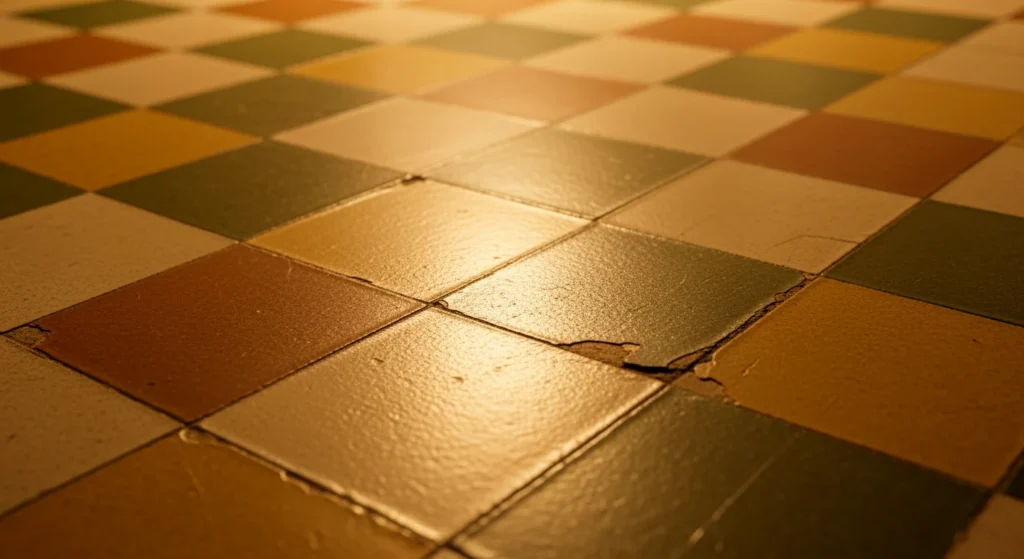
During the mid-20th century, vinyl-asbestos tiles (VAT) were the industry standard. Asbestos was considered a “miracle mineral” because it added incredible durability, fire resistance, and insulating properties to flooring at a very low cost. While these tiles are generally safe when they remain intact and undisturbed, the danger arises during demolition.
The first step for any Long Island homeowner is identification. While a laboratory test is the only way to be 100% certain, the “Rule of Thumb” is that if your tile is exactly 9 inches by 9 inches and was installed between 1940 and 1980, it almost certainly contains chrysotile asbestos. Modern tiles shifted to a 12×12-inch standard precisely to help consumers and contractors differentiate them from their hazardous predecessors.
When assessing your floor, look for the following characteristics outlined in the table below:
| Feature | 9×9 Asbestos Tile | Modern Vinyl Tile |
|---|---|---|
| Size | Strictly 9×9 inches | 12×12 or larger |
| Adhesive | Black Mastic (asbestos) | Clear/Yellow Glue |
| Age | Pre-1980 | Post-1985 |
| Breakage | Snaps cleanly (brittle) | Bends/flexible |
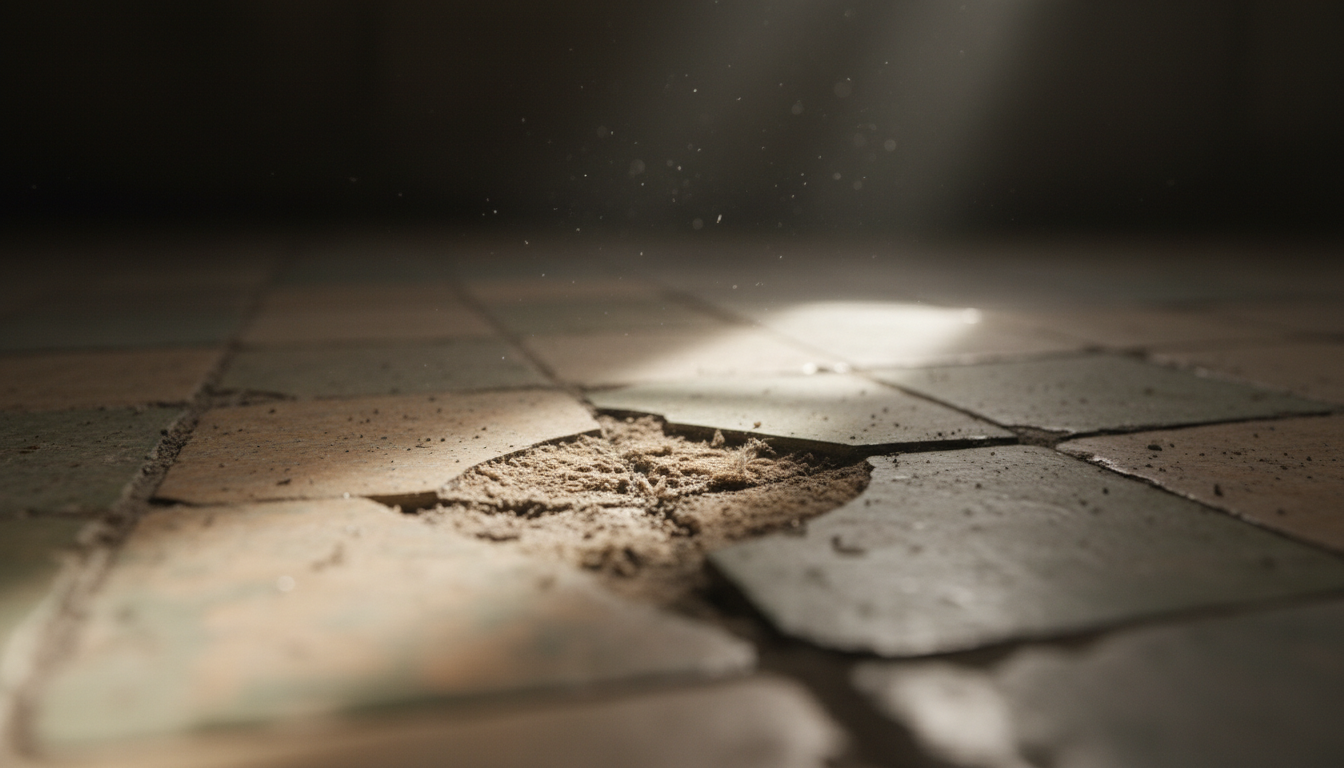
Beyond the size, pay close attention to how the tile reacts to pressure. Asbestos tiles are remarkably brittle. If you try to bend one, it won’t flex; it will snap cleanly, often releasing a small puff of dust. This dust is what contains the microscopic fibers that pose a health risk. To learn more about why these materials were so prevalent, you can read about the dark history of asbestos tiles in homes.
The Danger of Black Mastic
Many homeowners focus solely on the tiles themselves, but the real “silent” threat is often what lies beneath them. If you pull up a corner of a 9×9 tile and see a thick, black, tar-like substance, you are looking at black mastic—also known as “cutback” adhesive.
This mastic was frequently manufactured with asbestos to improve its bonding strength and moisture resistance. In many ways, the mastic is more problematic than the tiles. While tiles are considered “non-friable” (meaning they don’t easily crumble into powder by hand pressure) when they are in good condition, the mastic becomes a major hazard if you attempt to remove it through mechanical means.
Never sand, grind, or power-scrape black mastic. Doing so pulverizes the adhesive, turning it into a friable powder that carries high concentrations of asbestos fibers into your home’s HVAC system. Once airborne, these fibers can settle on furniture, carpets, and inside air ducts, creating a long-term inhalation risk for your family. Professional 9×9 asbestos tile removal involves chemical solvents or “wet methods” specifically designed to keep these fibers suppressed.
Removal vs. Encapsulation
When faced with asbestos tiles, Long Island DIYers generally have two paths: removal or encapsulation. Each has its own set of pros and cons, and the right choice depends on your long-term goals for the space.
Encapsulation: The Safer DIY Route
If the existing 9×9 tiles are firmly adhered to the subfloor and are not cracking or “heaving,” the safest option is often to leave them alone. This is known as encapsulation. By covering the asbestos tile with a new layer of flooring—such as luxury vinyl plank (LVP), laminate, or even new tile—you create a physical barrier that prevents the asbestos fibers from becoming airborne.
- Pros: No risk of fiber release; lower cost; no specialized disposal required.
- Cons: You are essentially “kicking the can down the road.” Future renovations will still have to deal with the asbestos, and it must be disclosed if you sell your home.
Removal: The Permanent Solution
If you are planning to install a floor that requires a perfectly smooth subfloor, or if the tiles are already popping up and breaking, removal is necessary. However, for a homeowner, this is where the legal and safety risks peak. In New York, while a homeowner can legally perform their own abatement in their primary residence in some jurisdictions, it is highly discouraged due to the strict requirements for containment and disposal.
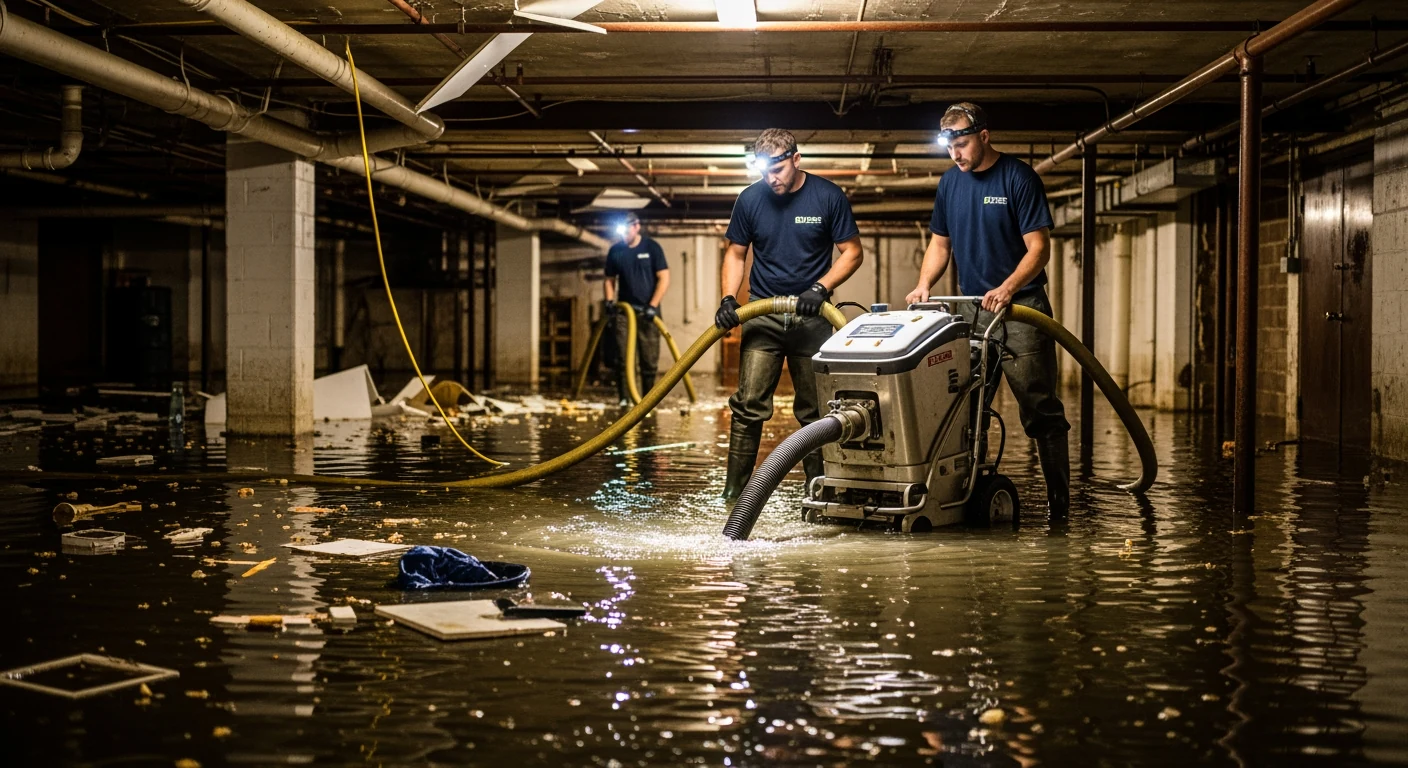
Professional asbestos abatement services use specialized equipment, including HEPA-filtered negative air machines, to ensure that no dust escapes the work zone. They also utilize “wet removal” techniques, where the tiles are saturated with amended water to ensure any breakage does not result in airborne dust.
Proper Disposal Protocols in NY
In New York State, the handling of asbestos is governed by Industrial Code Rule 56 (ICR 56). This regulation is among the strictest in the nation. One of the biggest hurdles for DIYers on Long Island isn’t just getting the tile off the floor—it’s getting rid of it.
You cannot simply put 9×9 asbestos tiles in your regular curbside trash or take them to a local municipal dump in a standard garbage bag. Asbestos is classified as hazardous waste. It must be:
- Double-bagged in 6-mil thick, leak-tight polyethylene bags.
- Labeled with specific OSHA and EPA warning signs.
- Transported by a licensed hazardous waste hauler.
- Disposed of at a landfill specifically permitted to accept asbestos.
At our firm, we provide clients with proper legal disposal documentation (Waste Shipment Records). This paperwork is crucial for Long Island homeowners, as it proves the material was handled according to NYS Department of Labor standards. If you are caught illegally dumping asbestos in a local dumpster, the fines can reach tens of thousands of dollars, and the environmental liability can follow you for years.
The Risk of the “Unknown”
As an Environmental Project Manager, the most common mistake I see is the “just one tile” mentality. A homeowner thinks that popping up a few loose tiles won’t hurt. However, asbestos exposure is cumulative, and there is no known safe level of exposure. The fibers are needle-like and microscopic; they hook into the lining of the lungs and can stay there for decades, potentially leading to mesothelioma or asbestosis later in life.
Using a standard shop vacuum to clean up after removing tiles is one of the most dangerous things you can do. A standard vacuum filter—even some “HEPA-style” consumer filters—is not fine enough to catch asbestos fibers. Instead, the vacuum will pull the fibers in and blast them out the exhaust, effectively “misting” your entire home with asbestos dust.
Summary of Safety Rules for Long Island DIYers
If you suspect your basement or kitchen has 9×9 tiles, follow these non-negotiable rules:
- Do Not Sand: Never use a floor sander on the tiles or the black mastic.
- Do Not Sweep: Dry sweeping spreads dust. If a tile breaks, use a wet paper towel to pick up the pieces.
- Isolate the Area: Keep children and pets away from the room until the floor is either covered or professionally removed.
- Check Local Laws: Towns like Hempstead, Oyster Bay, and Islip may have specific local ordinances regarding renovation permits and environmental testing.
Frequently Asked Questions
Q: Can I tile over asbestos tiles?
A: Yes, encapsulation is legal and safe if the original tiles are flat and firmly attached. This is often the preferred method for homeowners on a budget who want to avoid the complexities of 9×9 asbestos tile removal.
Q: How much does professional removal cost on Long Island?
A: Costs vary based on the square footage and whether the mastic needs to be removed. Generally, it is a small price to pay for the peace of mind and the legal “Clean Bill of Health” documentation provided by a licensed firm.
Q: I already broke some tiles. What should I do?
A: Stop immediately. Lightly mist the area with water to keep dust down, cover it with plastic sheeting and duct tape, and call a professional for an air quality test.
Final Thoughts from the Project Manager
Renovating your Long Island home should be an exciting milestone, not a health crisis. The presence of 9×9 tiles isn’t a reason to panic, but it is a reason to pause. By identifying the material early, respecting the dangers of the black mastic adhesive, and following New York’s stringent disposal protocols, you can ensure your home remains a safe haven for your family.
Our Brand USPs focus on safe containment protocols and providing homeowners with proper legal disposal documentation. We believe in doing the job right the first time so you never have to worry about what is under your feet.
Test Your Tiles Before You Demo
Don’t risk your family’s health on a guess. Get professional testing and a certified removal plan today.
Upper Restoration provides professional licensed asbestos abatement services across Nassau County, Suffolk County, and all five NYC boroughs — available 24/7.
Need professional asbestos abatement on Long Island? Upper Restoration provides licensed asbestos abatement and removal services across NYC and Long Island. Contact us for a free assessment.