Fire Damage Restoration Process: A Step-by-Step Guide for NYC & Long Island Homeowners
After a fire, most homeowners are overwhelmed — and most don’t know what comes next. The fire department leaves. The smoke smell is everywhere. The walls are black. Water from the hoses is pooling on the floor. What happens now, who does what, and in what order?
This guide walks through every stage of the professional fire damage restoration process, explains why each step exists, and tells you exactly what to expect if you’re dealing with fire damage in New York City or Long Island right now.
Stage 1: Emergency Stabilization (Hours 1–24)
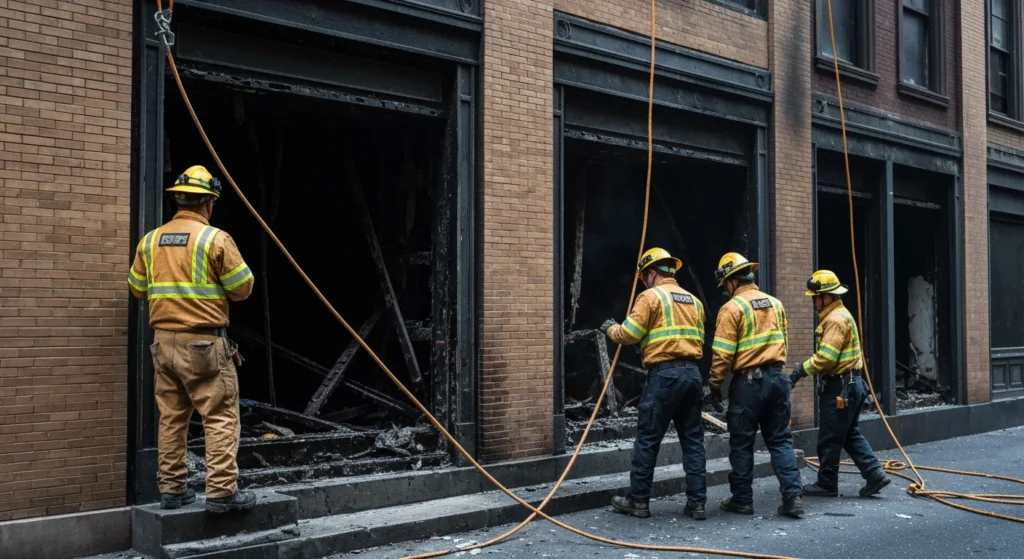
Before any cleaning or restoration can begin, the property must be secured and stabilized. This stage happens immediately — often while the scene is still being cleared by the fire department.
Board-Up and Tarping
Any openings created by the fire — burned-out windows, compromised doors, holes in the roof — must be boarded and tarped within hours. In NYC and Long Island, an unsecured fire-damaged property is a liability and a target. Board-up protects against weather intrusion, unauthorized entry, and secondary damage that your insurer will not cover if you failed to mitigate it. Most policies require you to take reasonable steps to prevent additional damage — boarding up fulfills that obligation.
Structural Safety Assessment
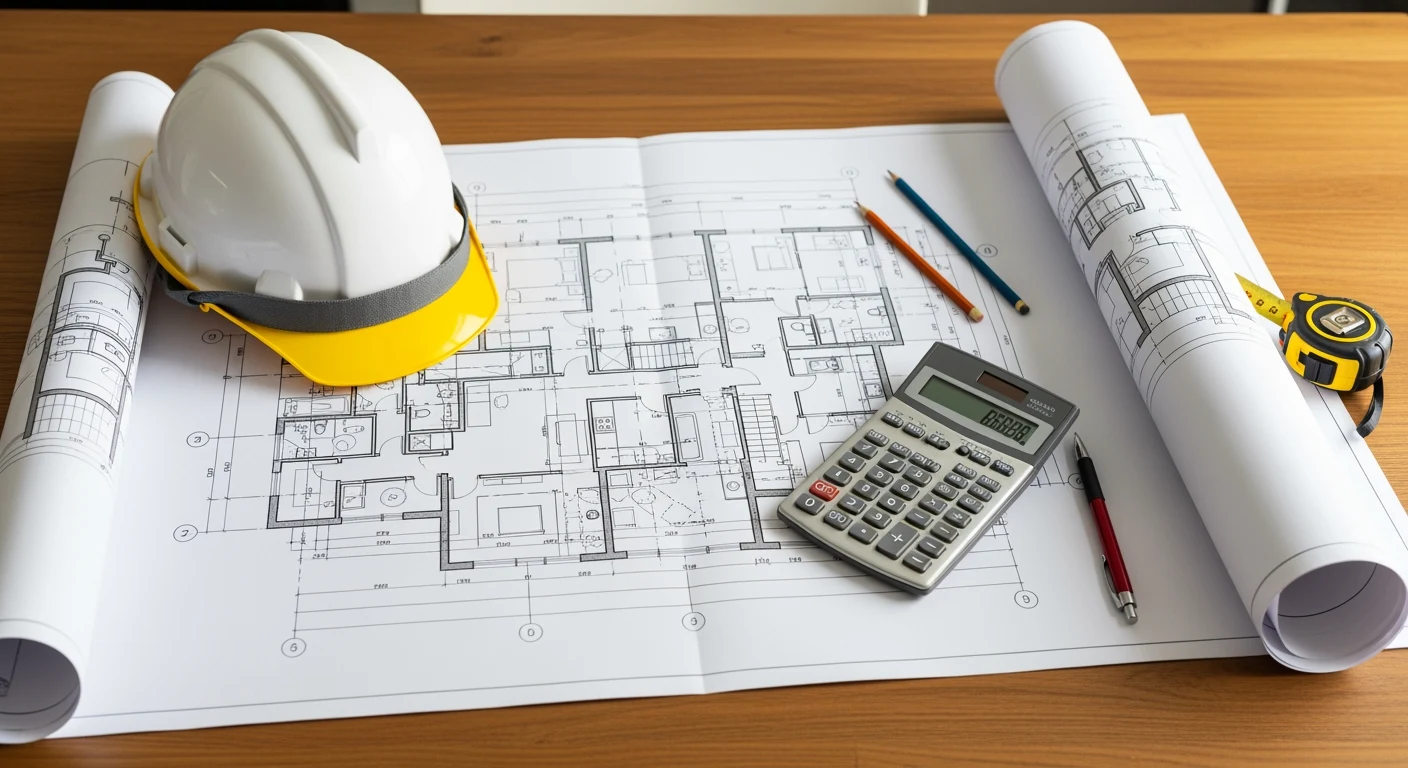
Before any crew enters a fire-damaged structure, a structural assessment confirms the building is safe to work in. This means checking load-bearing walls, floor joists, roof structure, and stairways for compromise. In NYC, a licensed engineer or architect may be required before re-entry is permitted. Upper Restoration’s project managers coordinate this assessment on day one.
Utility Disconnection Confirmation
Gas, electrical, and water must all be confirmed off before interior work begins. Even after the fire department clears a scene, smoldering materials and compromised wiring create re-ignition risk. The restoration contractor coordinates with ConEdison or PSEG Long Island and your building’s service provider to confirm all utilities are safely off.
Stage 2: Damage Assessment and Insurance Documentation (Days 1–3)
A thorough damage assessment is the foundation of both the restoration plan and your insurance claim. This is not a quick walkthrough — it’s a systematic documentation process.
Scope of Loss Documentation
Every affected surface, structural component, and content item is inventoried and photographed. The restoration contractor uses this to build a scope of work in Xactimate — the industry-standard estimating software that most New York insurance carriers require. An Xactimate estimate line-items every repair task with regional pricing, which allows your adjuster to review and approve the scope efficiently.
Category and Class Assessment
Fire damage is assessed by the type of materials burned (which determines smoke composition) and the extent of structural involvement. Fires involving synthetic materials, plastics, and electrical components produce different soot chemistry than wood or paper fires — and require different cleaning protocols. Your restoration team identifies this on day one because the wrong cleaning method on the wrong soot type can permanently set stains.
Moisture Mapping
Firefighting water creates its own damage category. Thermal imaging and moisture meters map every wet area — including inside wall cavities, under flooring, and in ceiling assemblies — before anything is removed or dried. This documentation protects against missed moisture pockets that would become mold problems six weeks later. See our guide on water mitigation in NYC and Long Island for how this process works in detail.
Stage 3: Water Removal and Debris Extraction (Days 1–4)
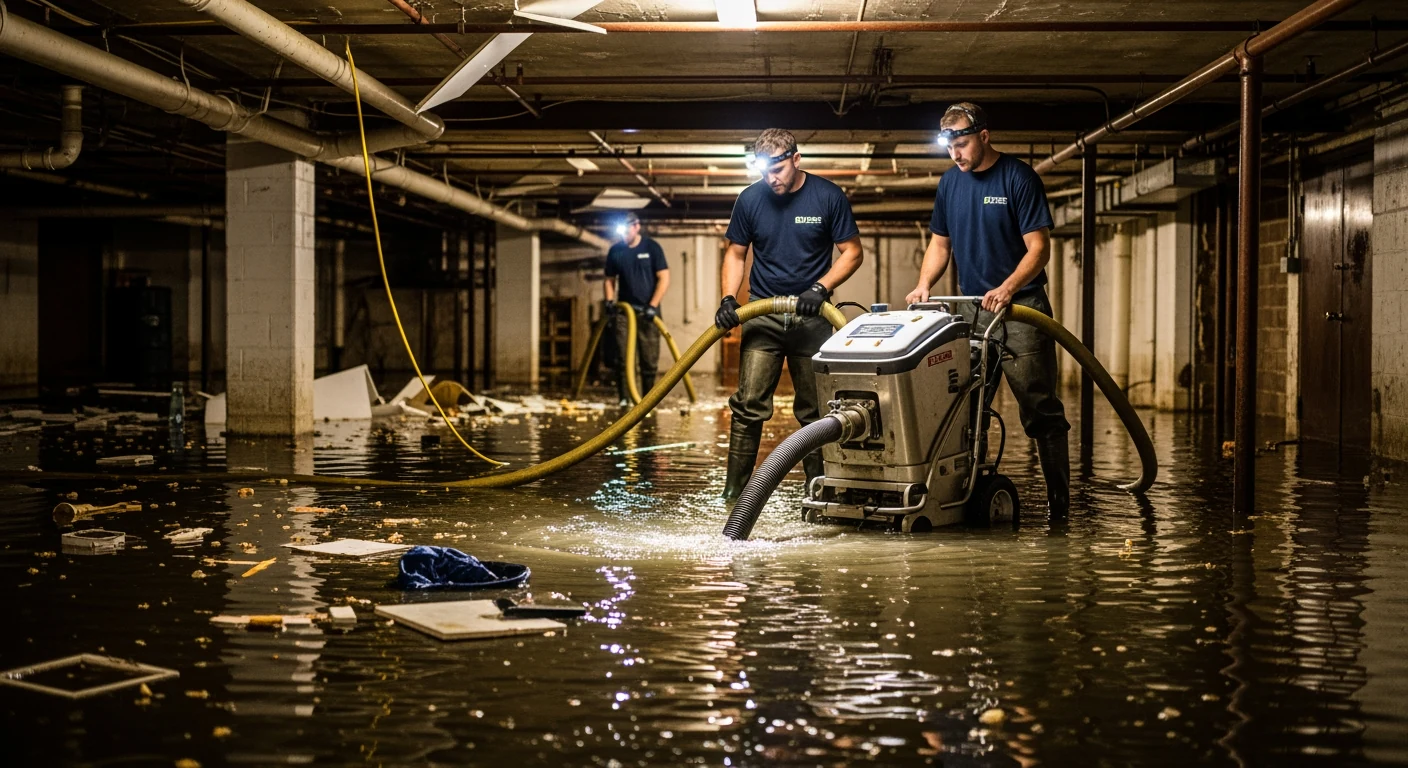
Firefighting water must be removed immediately — standing water in a fire-damaged structure creates Category 3 contamination when mixed with fire debris, ash, and soot. This is not clean water restoration; it requires full hazmat protocols.
Water Extraction
Truck-mounted extraction units remove standing water from all affected areas. Wet debris — charred drywall, burned insulation, soaked carpet — is removed simultaneously because wet porous materials cannot dry effectively and must come out. Fire debris is regulated waste in New York and requires licensed disposal.
Controlled Demolition
Structural materials that are charred, smoke-saturated, or water-damaged beyond cleaning are removed in a controlled demolition process. This includes drywall, insulation, flooring, and in severe fires, compromised framing. Controlled demolition exposes hidden smoke and moisture infiltration and gives the restoration team a clean substrate to work from. This stage is often the most visually dramatic — it looks worse before it looks better.
Content Pack-Out
Salvageable personal property — furniture, clothing, electronics, artwork — is inventoried, photographed, and removed to an off-site cleaning facility. Content restoration is a specialized process; different materials require different cleaning methods (ultrasonic cleaning for electronics, ozone treatment for fabrics, dry cleaning for certain textiles). Packing out contents also clears the structure for efficient restoration work. Your content pack-out inventory becomes a key document in your insurance claim.
Stage 4: Smoke and Soot Cleaning (Days 3–10)
Smoke and soot cleaning is the most technically demanding phase of fire restoration — and the one most often done poorly by contractors without proper training. Soot is not just dirt. It’s a chemically active residue that continues to etch, corrode, and stain surfaces if not properly treated.
Dry Cleaning (First Pass)
Before any wet cleaning, loose soot is removed with dry chemical sponges and HEPA vacuums. Applying wet cleaning solutions to heavily sooted surfaces without dry cleaning first pushes soot deeper into porous materials and can permanently set stains. This sequence — dry before wet — is an IICRC S700 standard requirement.
Surface Cleaning by Material Type
Different surfaces require different cleaning protocols:
- Painted drywall and plaster: Dry sponge first, then appropriate cleaning solution based on soot type. Protein soot (from kitchen fires) requires enzymatic cleaners. Synthetic soot requires alkaline cleaners.
- Wood surfaces and cabinetry: Cleaning solution matched to finish type, followed by sealing to lock in any residual odor compounds.
- Concrete and masonry: Wire brushing, chemical treatment, and in severe cases abrasive blasting.
- HVAC systems: Every supply and return duct, air handler, and coil is cleaned or replaced. Soot in an active HVAC system distributes smoke odor throughout the entire building — this step cannot be skipped.
Sealing Smoke-Damaged Surfaces
Surfaces that have absorbed smoke odor compounds are sealed with an odor-blocking primer (typically shellac-based) before any repainting. Without this step, smoke odor bleeds through latex paint within weeks regardless of how many coats are applied. This is one of the most common shortcuts taken by unqualified contractors — and one of the most common reasons homeowners call a second company after a “completed” restoration still smells like smoke.
Stage 5: Structural Drying (Days 3–8)
Concurrent with smoke cleaning, commercial drying equipment runs continuously to remove firefighting water from structural assemblies. This is not optional — it’s the difference between a clean restoration and a mold problem six weeks after you move back in.
Commercial Dehumidifiers and Air Movers
Industrial-grade desiccant dehumidifiers and high-velocity air movers create an accelerated evaporation environment. Equipment placement is engineered based on moisture mapping data — not randomly distributed. Typical residential drying takes 3–5 days with commercial equipment; the same space would take 2–4 weeks drying naturally, by which point mold is inevitable.
Daily Moisture Monitoring
Restoration technicians take daily moisture readings at every mapped location and record them in a drying log. The log documents progress toward IICRC S500 drying goals and is a required component of insurance claim documentation. When moisture levels reach target, equipment is removed — not before.
For properties where water damage was extensive, our team concurrently runs the full water mitigation process. For more on mold prevention after a water event, see our guide on attic mold causes, identification, and removal.
Stage 6: Odor Elimination (Days 5–14)
Smoke odor is not a surface problem — it’s a molecular problem. Smoke particles penetrate porous materials at a microscopic level and continue off-gassing long after visible soot is removed. Professional odor elimination uses three tools, often in combination:
Thermal Fogging
A fogging machine heats a deodorizing solution to create a dense fog that penetrates the same materials smoke penetrated — wall cavities, subfloor, insulation, framing. The fog chemically neutralizes smoke odor compounds at a molecular level rather than masking them. Thermal fogging is effective for protein fires and wood smoke but less effective for heavy synthetic smoke.
Hydroxyl Generators
Hydroxyl generators produce hydroxyl radicals — the same oxidizing molecules the atmosphere naturally uses to break down pollutants — to neutralize odor compounds throughout the treated space. Unlike ozone generators, hydroxyl generators are safe to operate in occupied spaces and do not require evacuation. They are effective on a broader range of odor compound types than thermal fogging alone.
Ozone Treatment
High-concentration ozone treatment is the most powerful odor elimination tool available — but it requires complete evacuation of the structure (including pets and plants) and thorough airing-out before re-entry. Ozone is typically used as a final treatment pass on severe odor cases after thermal fogging and hydroxyl treatment.
Stage 7: Reconstruction (Weeks 2–8)
Once the structure is clean, dry, and deodorized, reconstruction begins. The scope depends entirely on what was removed during controlled demolition and what structural repairs were needed.
Structural Repairs
Compromised framing, subfloor, roof decking, and load-bearing elements are repaired or replaced first. In NYC, structural repairs require permits and in many cases a licensed engineer of record. Upper Restoration manages the permit process as part of the project — homeowners should not have to navigate the DOB independently during an already stressful situation.
Mechanical Systems
Electrical, plumbing, and HVAC systems are repaired, replaced, or upgraded as needed. Fire-damaged electrical systems require full inspection by a licensed electrician before any power is restored. In New York City, this requires a licensed master electrician and DOB sign-off.
Interior Finishes
Drywall installation, insulation, priming with odor-blocking sealer, painting, flooring, and finish carpentry return the space to pre-loss condition — or better, if the homeowner chooses upgrades during the reconstruction phase. Many homeowners use the reconstruction phase as an opportunity to improve layouts, upgrade finishes, or address deferred maintenance items that the insurance scope doesn’t cover.
Content Restoration and Return
Cleaned and restored personal property is returned and placed per a documented inventory. Final content documentation closes out the personal property portion of the insurance claim.
How Long Does Fire Damage Restoration Take?
| Fire Severity | Typical Timeline | Typical Cost (NYC/LI) |
|---|---|---|
| Minor (single room, contained) | 1–2 weeks | $5,000–$15,000 |
| Moderate (multi-room, smoke throughout) | 3–5 weeks | $15,000–$40,000 |
| Severe (structural damage, full gut) | 6–12 weeks | $40,000–$150,000+ |
| Total loss (rebuild) | 6–18 months | Varies by structure |
NYC and Long Island timelines are often longer than national averages due to permit processing times at the NYC Department of Buildings (DOB) or local Nassau/Suffolk building departments, licensed trade requirements, and building management coordination in multi-unit properties.
Working With Your Insurance Company During Fire Restoration
Your insurance company will assign an adjuster who works for the insurer — not for you. Understanding this dynamic is important. A professional restoration contractor who produces complete, Xactimate-formatted documentation gives you the best chance of a full, fair claim settlement.
Upper Restoration provides complete insurance documentation at every stage: initial scope of loss, daily drying logs, photo documentation, waste disposal manifests, Xactimate estimates, and final clearance testing. We work directly with adjusters and can explain our scope line by line. If there’s a dispute over scope or pricing, we advocate for the correct restoration standard — not the cheapest option. Learn more about how Upper Restoration works with insurance adjusters.
For fire-specific insurance guidance in New York, see our detailed guide on fire damage restoration insurance claims for Long Island.
Fire Damage Restoration Process: Frequently Asked Questions
What is the first step in fire damage restoration?
The first step is emergency stabilization — boarding up openings, tarping the roof, confirming utilities are off, and conducting a structural safety assessment before any crew enters the building. This typically happens within hours of the fire department clearing the scene.
How long does fire damage restoration take?
Minor single-room fires take 1–2 weeks. Moderate multi-room fires with smoke damage throughout the home take 3–5 weeks. Severe fires with structural damage take 6–12 weeks. Total loss rebuilds can take 6–18 months. NYC and Long Island timelines often run longer than national averages due to permitting and licensed trade requirements.
Can smoke damage be fully removed?
Yes — with the right process. Professional smoke remediation using dry cleaning, appropriate wet cleaning solutions matched to soot type, odor-blocking sealers, and hydroxyl or ozone treatment eliminates smoke odor and residue fully. The key is following the correct sequence and using the right chemistry for the soot type. Shortcuts — particularly skipping the sealing step — result in odor bleed-through after repainting.
Does fire damage restoration include the smell?
Yes. Odor elimination is a dedicated phase of professional fire restoration, using thermal fogging, hydroxyl generators, and ozone treatment to neutralize smoke odor compounds at a molecular level. This is distinct from surface cleaning — odor elimination addresses smoke that has penetrated porous materials beyond what cleaning can reach.
What is controlled demolition in fire restoration?
Controlled demolition is the systematic removal of charred, smoke-saturated, or water-damaged structural materials that cannot be cleaned or saved. This includes drywall, insulation, flooring, and sometimes framing. It is called “controlled” because it is planned, documented, and targeted — not random. Controlled demolition exposes hidden smoke and moisture damage and prepares the structure for reconstruction.
Will the restoration company handle my insurance claim?
A qualified restoration contractor produces all the documentation your insurer requires — scope of loss, Xactimate estimate, drying logs, waste manifests, and clearance testing — and works directly with your adjuster. They do not file the claim on your behalf (that’s your role as the policyholder), but they provide everything needed to support a full, fair settlement.
Do I need to leave my home during fire damage restoration?
In most cases, yes — at least during the active remediation and demolition phases. Soot cleaning chemicals, demolition dust, and ozone treatment all require evacuation. Your insurer’s loss of use coverage (ALE — Additional Living Expenses) pays for temporary housing during restoration. Confirm your ALE limit with your adjuster early in the process.
What certifications should a fire restoration contractor have?
Look for IICRC Fire and Smoke Restoration Technician (FSRT) certification at minimum, plus WRT (Water Restoration Technician) and ASD (Applied Structural Drying) for the water damage component. In New York, contractors handling any mold discovered during fire restoration must hold a NYS Article 32 mold remediation license. For reconstruction work, all trades (electrical, plumbing, structural) require New York State licensing.