If you own a home in Nassau County, Suffolk County, or the five boroughs of New York City, the word “asbestos” brings a mix of health concern and financial anxiety. Whether you are planning a renovation of a mid-century Cape Cod in Levittown or dealing with pipe insulation exposed by a burst in a Brooklyn brownstone, understanding the real cost of asbestos abatement is the first step toward making a sound decision.
In 2026, asbestos removal costs in the Long Island and NYC market are shaped by three forces: stringent NYS Department of Labor licensing requirements under Code Rule 56, increasing hazardous waste disposal fees, and the high labor rates of the New York metropolitan area. This guide provides transparent, current pricing across material types — and explains every cost line so you know exactly what you are paying for.
Quick Cost Summary
Asbestos removal in Long Island and NYC typically costs $20–$65 per square foot for friable materials, with a minimum project fee of approximately $1,500. Pipe insulation removal runs $15–$30 per linear foot. Independent air monitoring (required by NYS law) adds $600–$1,200 per day. Total residential projects commonly range from $3,000–$15,000+ depending on material type, scope, and regulatory requirements.
Why Asbestos Removal Costs More in New York
Homeowners often ask why removing a few floor tiles costs significantly more than standard demolition work. The answer is the safety and legal infrastructure required by New York State law — not just labor.
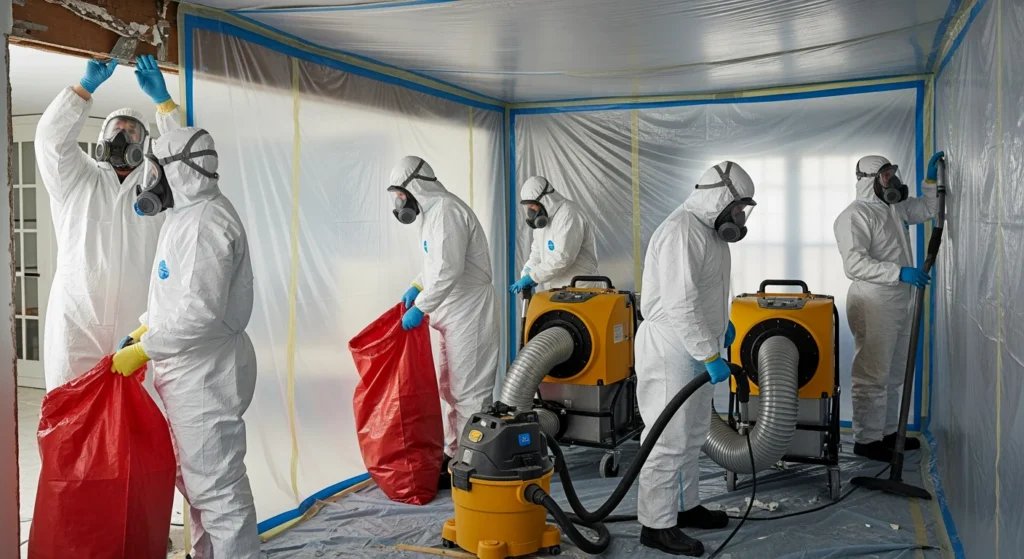
Every licensed abatement team in New York must be state-certified through the NYS DOL, undergo annual medical evaluations, and wear full PPE throughout the job. Beyond labor, the cost includes constructing a negative-pressure containment area using 6-mil polyethylene sheeting, operating HEPA-filtered air scrubbers throughout the project, and disposing of all waste as regulated hazardous material — double-bagged, manifested, and hauled to licensed out-of-state facilities. None of this is optional, and none of it is cheap.
2026 Asbestos Removal Costs by Material Type
The type of asbestos-containing material (ACM) is the single largest cost variable. Friable materials — those that crumble easily and release fibers — require full containment setups and command higher prices. Non-friable materials can sometimes be removed using controlled methods that are less labor-intensive.
| Material Type | Average Cost (LI/NYC) | Friability | Typical Timeframe |
|---|---|---|---|
| Vinyl Floor Tile (9×9 or 12×12) | $8–$15 per sq ft | Non-friable | 1–2 days |
| Black Mastic Adhesive | $5–$12 per sq ft (add-on) | Non-friable | Combined with tile removal |
| Popcorn / Texture Ceiling | $15–$25 per sq ft | Friable | 1–3 days per room |
| Pipe Insulation (Lagging) | $15–$30 per linear ft | Friable | 1–3 days |
| Asbestos Siding (Transite) | $1,500–$5,000 per house | Non-friable | 2–4 days |
| Attic Insulation (Vermiculite) | $4,000–$10,000+ | Friable | 3–5 days |
| Drywall Joint Compound | $20–$45 per sq ft | Friable (when sanded) | 2–5 days per room |
| Full Basement or Attic Abatement | $2,500–$8,000+ | Varies | 3–5 days |
| Third-Party Air Monitoring | $600–$1,200 per day | N/A | 1–2 days minimum |
Notes on Specific Material Types
Floor tiles: The 9×9-inch black vinyl tile is one of the most common ACMs in Long Island basements built between the 1940s and 1970s. If the black mastic adhesive underneath also tests positive for asbestos, the removal price shifts toward the higher end of the range — budget for both when getting quotes.
Popcorn ceilings: These are highly friable and require full room containment and saturation before removal. Cost per square foot is higher than floor tile because of setup complexity and the difficulty of cleaning every surface in a contained overhead environment.
Vermiculite attic insulation: This is typically the most expensive residential project. The work involves HEPA-vacuuming fine particles in confined, poorly ventilated spaces with limited equipment access. Costs starting at $4,000 for a small attic are standard in Nassau and Suffolk County — large attics can exceed $10,000.
The Four Cost Factors Unique to New York State
1. NYS Code Rule 56 Filing Fees
New York has among the strictest asbestos regulations in the country. For projects above certain size thresholds, a formal project notification must be filed with the NYS Department of Labor before work begins. Filing fees are non-refundable and range from $100 to $2,000 depending on project scale. These fees are a pass-through cost that any legitimate contractor will include in your quote — if they are not itemized, ask why.
2. Mandatory Independent Air Monitoring
Under NYS law, the company that removes the asbestos cannot be the same company that performs air clearance testing. A third-party environmental laboratory must monitor air quality during and after abatement. This adds $600 to $1,200 per day to your project cost and is non-negotiable — it is the legal check that protects you. Budget for a minimum of two monitoring days on any residential project: one during abatement and one for final clearance testing.
3. Friable vs. Non-Friable Classification
Friable materials require a “full containment” setup including a multi-stage decontamination shower for workers entering and exiting the work zone. Non-friable materials like transite siding can sometimes be removed using controlled methods without full containment. The classification of your ACM — determined by the independent Mold Assessor’s report — directly controls which setup protocol is required and therefore what you pay.
4. Mobilization Minimums
Because of equipment transport, insurance documentation, and containment setup overhead, most licensed Long Island and NYC asbestos contractors have a minimum project fee of approximately $1,500. Even a very small area — two floor tiles and a small pipe segment — will typically hit that floor. Factor this into your planning if you are considering phasing a larger project.
Removal vs. Encapsulation: Which Is Right for Your Property?
When facing high abatement quotes, homeowners often ask about encapsulation — sealing the asbestos in place with a specialized bridging or penetrating encapsulant that prevents fiber release without physical removal.
Encapsulation costs roughly 15–30% less than full removal and causes less structural disruption. There are no disposal fees. For stable, non-friable materials in areas that will not be renovated — like exterior transite siding or intact floor tiles under a finished floor — it can be a sound short-term strategy.
However, encapsulation has significant limitations in the Long Island real estate market:
- The ACM must be disclosed to buyers during any property sale, which can trigger renegotiation, delays, or price reductions that often exceed what full removal would have cost.
- If the property is ever renovated, the encapsulated material must then be professionally removed — at full removal cost, plus the cost of addressing any encapsulant failures.
- The encapsulant itself degrades over time and requires periodic inspection and possible reapplication.
For most Long Island and NYC homeowners planning to sell within five to ten years, or planning any future renovation, full removal is the better long-term investment. For stable materials in properties with no near-term renovation or sale plans, encapsulation is worth a detailed conversation with your abatement contractor.
Will Homeowners Insurance Cover Asbestos Removal?
The short answer for Nassau, Suffolk, and NYC homeowners is: generally no. Standard homeowners insurance policies exclude “pollutants,” which includes asbestos. Voluntary or maintenance-related removal — simply discovering the material during a renovation — is an out-of-pocket expense.
There are two meaningful exceptions:
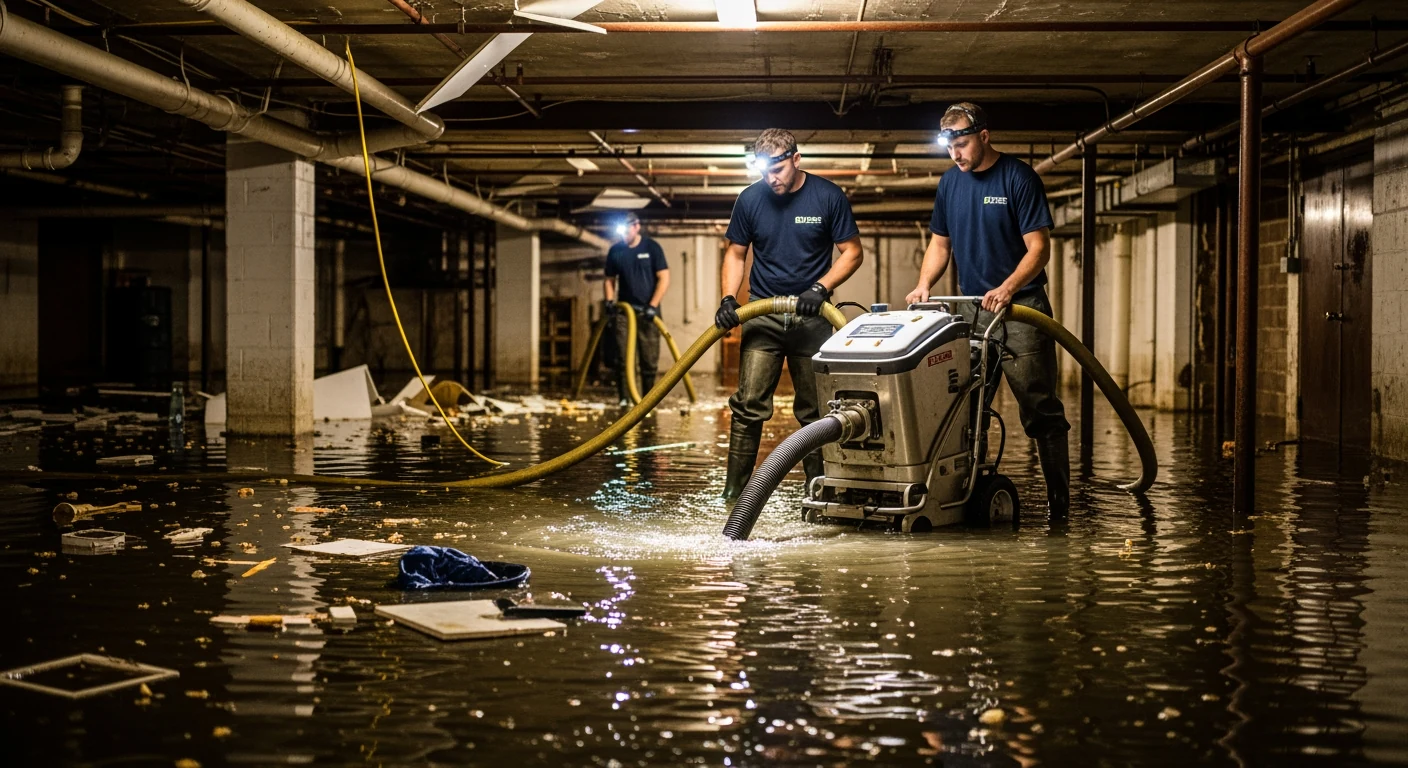
- Covered perils. If a pipe bursts and the water damage claim is covered, the insurance company may include asbestos abatement as part of the covered cleanup — particularly if the burst damaged asbestos-containing pipe insulation or ceiling tiles.
- Fire damage. If a structure fire disturbs ACM, the abatement cost is typically integrated into the fire restoration claim.
Consult with your public adjuster or insurance agent directly, and document any connection between a covered loss and the asbestos exposure. Do not assume the abatement is covered without written confirmation.
The Long Island Real Estate Factor
In the competitive markets of Garden City, Huntington, the Hamptons, and throughout Nassau and Suffolk County, asbestos presence is increasingly a deal-breaker or concession trigger. In 2026, informed buyers routinely request asbestos inspections before closing, and lenders on properties with known ACM may require abatement before funding. Proactively addressing asbestos before listing frequently costs less than the concessions extracted during negotiation — and eliminates the risk of a deal falling through entirely.
What a Transparent Quote Should Include
Low-ball quotes that exclude mandatory cost items create invoice surprises halfway through a project. When evaluating contractor quotes for asbestos work in Long Island or NYC, verify that the following are explicitly itemized:
- NYS DOL project notification filing fees (if applicable to project size)
- Hazardous waste disposal fees, manifesting, and transportation
- HEPA-filtered air scrubber and equipment rental
- Full PPE and decontamination unit costs
- Third-party air monitoring coordination (note: this is a separate invoice from the independent lab)
- Post-abatement clearance air testing
If any of these are absent from a quote, ask for an itemized revision before signing anything.
Frequently Asked Questions: Asbestos Removal Costs in Long Island and NYC
Does homeowners insurance cover asbestos removal costs?
Generally no. Standard homeowners policies exclude asbestos as a pollutant. The exception is when asbestos is disturbed by a covered peril — a burst pipe, a fire, or a sudden accidental water discharge. In those cases, abatement costs may be integrated into the covered loss claim. Voluntary or renovation-triggered removal is an owner expense. Always confirm coverage in writing with your insurer or public adjuster before beginning work.
Can I remove asbestos myself in New York State?
NYS law technically permits homeowners to perform abatement on their own single-family, owner-occupied residence — but it is strongly discouraged. Even if you do the removal yourself, you have no legal path to dispose of the waste: Long Island municipal dumps and NYC transfer stations do not accept asbestos from residents. You would still need to hire a licensed hauler for disposal. More importantly, without proper containment and HEPA filtration, you risk contaminating your entire home with airborne fibers. The money “saved” rarely offsets the cleanup liability.
How long does asbestos removal take for a typical Long Island home?
Most residential projects in Nassau or Suffolk County take two to five days total: one day for containment setup, one to two days for removal, and one day for final air clearance testing and teardown. Larger projects — full basement, attic, or multi-room abatement — may run five to seven days. The independent air monitoring results (required before containment can be removed) typically add 24 to 48 hours for lab turnaround on top of physical work time.
What is an air clearance test and why does it add to the cost?
After abatement and cleaning, a third-party certified laboratory uses a high-volume air pump to pull air through a filter membrane. The filter is analyzed under phase contrast microscopy (PCM) or transmission electron microscopy (TEM) to confirm fiber levels are below the legal threshold before containment is removed and the space is released for reoccupancy. This test is required by NYS law, must be performed by a company independent of the abatement contractor, and typically costs $600–$1,200 per day of monitoring. It cannot be skipped and cannot be performed by the contractor who did the removal.
Why does asbestos removal in NYC and Long Island cost more than national averages?
Three factors drive the premium: (1) NYS Code Rule 56 is among the strictest asbestos regulations in the country, mandating documentation, filing fees, and independent air monitoring that many other states do not require; (2) licensed abatement labor in the New York metro area commands a significant wage premium over national averages; (3) specialized hazardous waste disposal facilities that accept asbestos are not local — material is typically transported to out-of-state landfills, adding transportation and manifesting costs to every project.
What should I do if I find asbestos during a renovation?
Stop work immediately in the affected area. Do not sand, cut, drill, or disturb the material further. Seal off the area if possible and avoid using HVAC in that zone. Contact a licensed asbestos abatement contractor for an emergency assessment — most Long Island and NYC contractors including Upper Restoration offer same-day response. Do not resume renovation work in the area until the material has been professionally sampled, tested, and either safely removed or documented as stable and undisturbed.
Asbestos removal is a regulated, licensed process — not a DIY project and not a service where the lowest bid is the best bid. In the Long Island and NYC market in 2026, a transparent quote from a licensed NYS DOL contractor that includes all regulatory costs is the only reliable baseline for comparison. Upper Restoration provides itemized asbestos abatement quotes for residential and commercial properties throughout Nassau County, Suffolk County, and all five NYC boroughs.
Request a transparent asbestos abatement quote from Upper Restoration →
Related: Asbestos Abatement Services | Long Island Asbestos Abatement | Identifying Asbestos in Pre-1980 Drywall
2026 Asbestos Removal Cost Update: What’s Changed
Asbestos abatement pricing in the New York metro area has shifted in 2026 due to increased contractor licensing requirements under updated NYS DOL regulations and rising disposal costs at permitted facilities. Homeowners and commercial property managers should expect 8–12% higher baseline costs compared to 2024, primarily driven by enhanced containment protocols and post-abatement air clearance testing now required on all residential projects over 25 square feet.
2026 Price Benchmarks by Project Type
- Floor tile removal (per room): $2,200–$6,500 (up from $1,800–$5,500)
- Pipe insulation wrapping: $800–$2,500 per linear 25 feet
- Popcorn ceiling removal: $4–$8 per sq ft (full containment required)
- Full home abatement: $18,000–$45,000+ depending on scope
- Post-abatement air clearance testing: $350–$600 (now standard, not optional)
New in 2026: NYC DEP Enforcement Increase
The NYC Department of Environmental Protection increased asbestos violation fines in early 2026. First-time residential violations now carry fines starting at $5,000 — up from $1,500. Licensed abatement is no longer optional for any renovation disturbing pre-1980 materials in the five boroughs or Long Island.
What to Ask Any Contractor Before Hiring in 2026
- Are you currently licensed under the NY State DOL Asbestos Safety Training Program (ASTP)?
- Is post-abatement air clearance testing included in your quote?
- Who is your licensed waste disposal facility and do you provide manifests?
- Do you carry the minimum $1M per-occurrence liability coverage required by NYC?