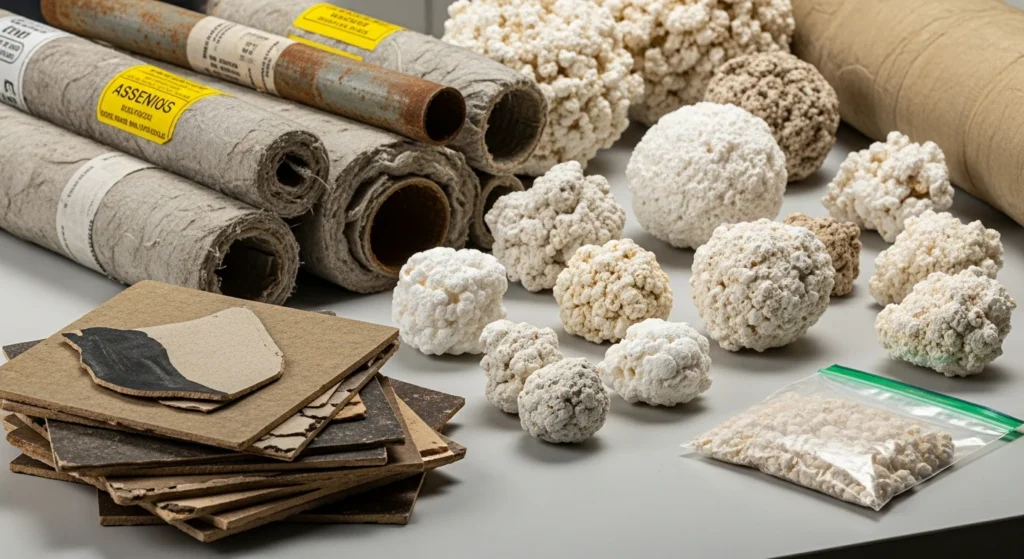
The Asbestos Hazard Emergency Response Act (AHERA), enacted in 1986 and implemented through EPA regulations, establishes a specific asbestos management framework for schools that is separate from and in addition to the workplace regulations that apply to commercial buildings. Every Long Island school district — Nassau County’s 56 districts, Suffolk County’s 69 districts — is required to maintain AHERA compliance for every school building in the district. The compliance requirements are perpetual: they do not end when the asbestos is identified, they continue as long as ACM remains in the building.
Core AHERA Requirements
Initial inspection: Every school building must have been inspected by an AHERA-accredited inspector and all suspect materials sampled and analyzed. This initial inspection requirement was established in 1988 and should be complete in all Long Island school districts by now — but districts that have not maintained AHERA records or have added buildings since the initial inspection must ensure new structures are inspected.
Management plan: Each district must maintain an AHERA management plan that documents all ACM in each school building, the condition of each material, the response actions taken, and the operations and maintenance procedures that prevent disturbance of ACM in good condition.
Three-year re-inspection: All ACM must be re-inspected every three years by an AHERA-accredited inspector to assess condition changes and update the management plan.
Periodic surveillance: The management plan must specify semi-annual surveillance of all ACM by trained AHERA custodial staff — building-level personnel who walk the building and note any condition changes in ACM between formal re-inspections.
Annual notification: Each district must annually notify parents, teachers, and employee organizations of the availability of the AHERA management plan and summarize any activities that have occurred since the previous notification.
What AHERA Compliance Failures Look Like
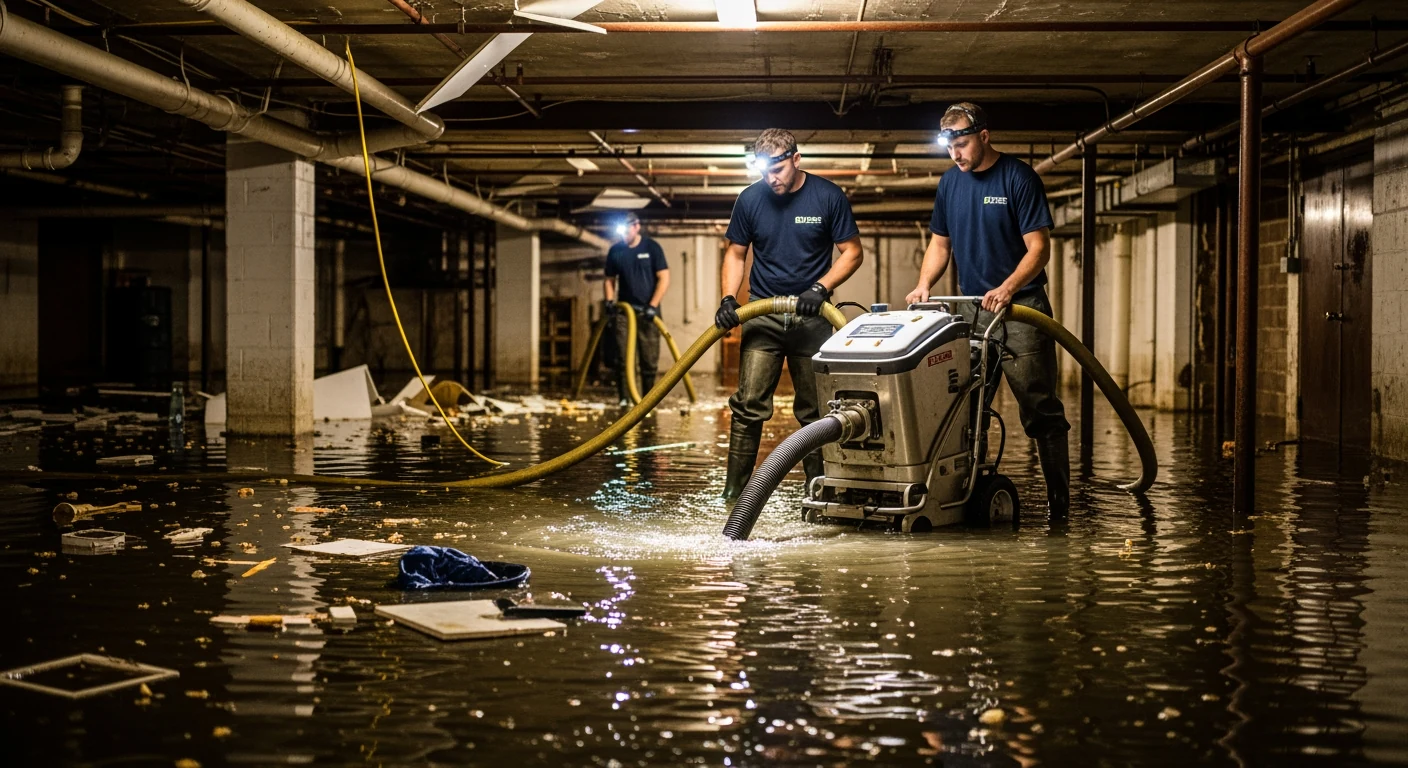
EPA enforcement of AHERA has produced multi-million dollar settlements against school districts and universities nationally. Common violations include: failure to conduct required three-year re-inspections, failure to train custodial staff in AHERA operations and maintenance procedures, performing renovation activities that disturb ACM without the required AHERA-accredited contractor involvement, and failure to maintain complete management plan documentation. Long Island school districts that engage Upper Restoration for building restoration work involving pre-1987 construction receive AHERA-compliant asbestos coordination that protects the district from inadvertent AHERA violations during the restoration project.