When a property suffers damage — from fire, water, mold, or hazardous materials — the path from emergency response to full restoration involves multiple specialized disciplines working in a precise sequence. Upper Restoration provides the full spectrum of property damage restoration services across New York City and Long Island, with certified teams available around the clock for emergencies and a process designed to return properties to pre-loss condition as quickly and safely as possible.
This guide covers every major restoration category Upper Restoration handles: what the process involves, what homeowners and property managers should know before the work begins, and how to navigate insurance, costs, and contractor selection in the New York market.
Fire Damage Restoration: The Most Complex Recovery
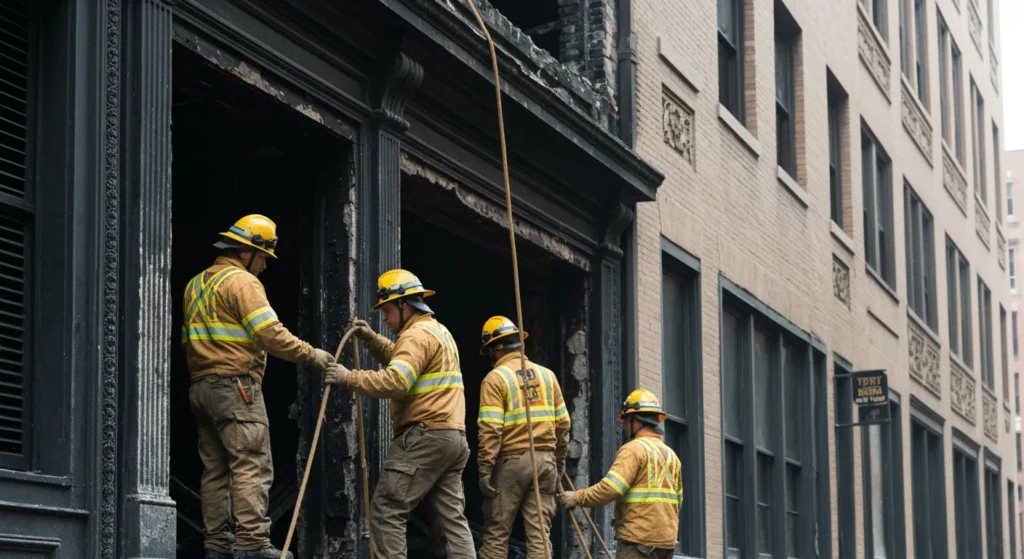
Fire damage is the most multifaceted restoration challenge a property can face. The fire itself is only part of the problem — smoke penetrates wall cavities, ductwork, and porous materials long after flames are extinguished, and water damage from suppression efforts compounds the scope of work immediately. Upper Restoration’s guide to the seven steps of fire damage restoration outlines the complete sequence from initial assessment through final rebuild.
The immediate priority after a fire is structural stabilization and securing the property against weather and unauthorized entry. From there, the work moves through debris removal, smoke and soot remediation, odor neutralization, and finally reconstruction. Recovering from fire damage involves decisions about salvageable materials, insurance documentation, and contractor sequencing that affect both the timeline and the final cost — Upper Restoration’s teams guide property owners through each decision point.
Smoke damage often extends far beyond the visible burn zone. Fire and smoke damage restoration requires specialized equipment — HEPA air scrubbers, thermal foggers, ozone generators — to address the particulate and chemical contamination that standard cleaning cannot reach. For properties on Long Island specifically, Upper Restoration’s smoke damage repair process and fire damage repair and restoration services cover the full geographic footprint from Nassau through Suffolk County. For properties that need targeted structural work, Upper Restoration’s guide on fire damage repair covers what’s repairable versus what requires replacement.
Water Damage: Speed Is Everything
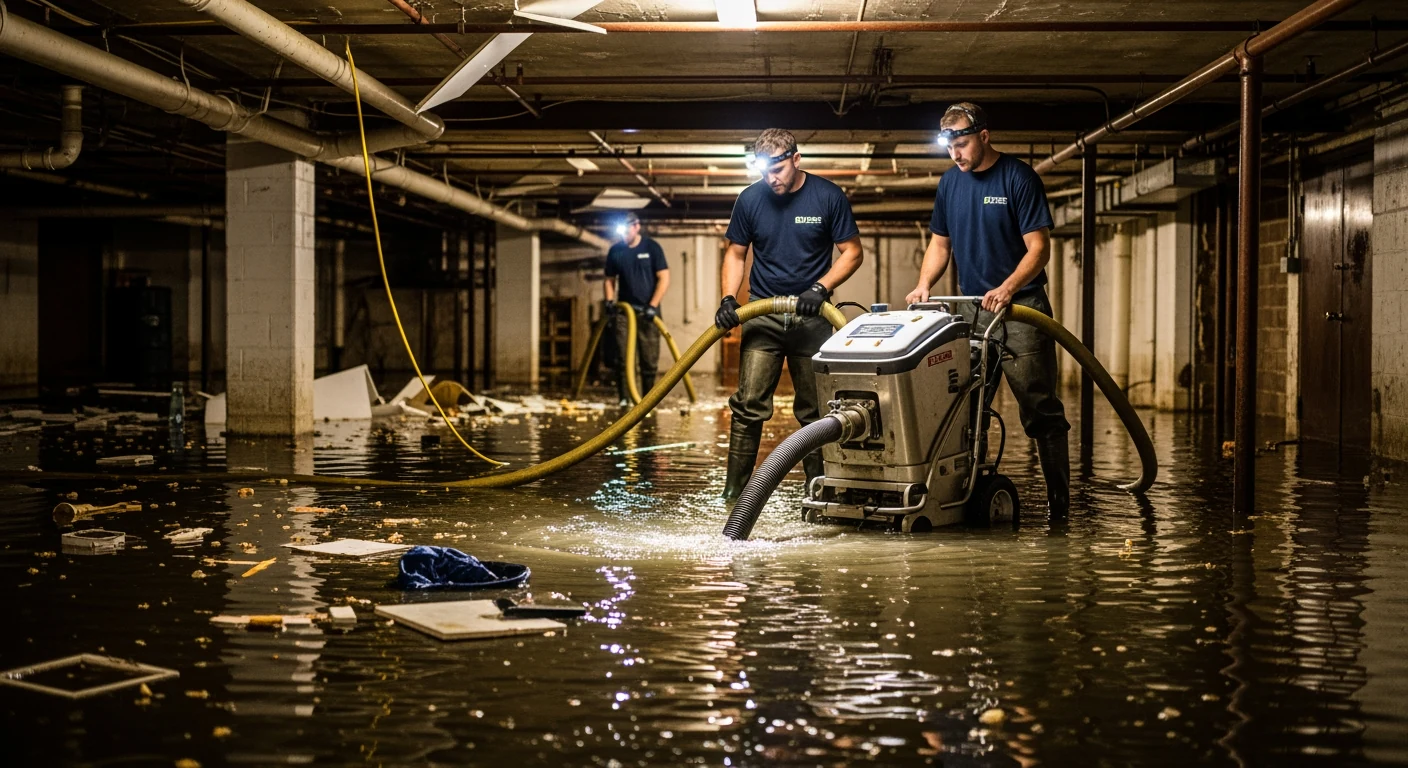
Water damage is the most time-sensitive restoration emergency. The window between initial water intrusion and secondary mold growth is 24-72 hours under typical conditions — and in New York’s humid summers, that window can be shorter. Water mitigation — the process of stopping the water source, extracting standing water, and beginning structural drying — must begin as quickly as possible to contain the damage footprint.
Upper Restoration handles the full range of water damage scenarios across NYC and Long Island: burst pipes, appliance failures, storm flooding, and sewage backups. For Long Island homeowners specifically, water damage repair and mitigation on Long Island covers both the emergency response and the longer-term repair work. Flood damage restoration on Long Island addresses the specific challenges of storm-driven water intrusion, including the contamination categories that determine how materials can be dried versus when they must be removed.
One of the most important — and most overlooked — aspects of water damage is the insurance process. Long Island homeowners routinely face insurance complications around roof-related water damage, and the difference between a properly documented claim and an underpaid one can be significant. Upper Restoration’s guide to avoiding water damage insurance underpayment covers the documentation practices and contractor selection criteria that protect homeowners through the claims process.
Water damage and mold are directly linked. The relationship between water damage and mold growth — how quickly it develops, what conditions accelerate it, and when professional assessment is required — is something every property owner should understand before and after any water event.
Mold Remediation: Assessment, Removal, and Prevention
Mold remediation in New York properties requires a methodical approach: accurate identification, containment, removal, treatment, and verification. Black mold identification in NYC and Long Island is the starting point — not all dark-colored mold is Stachybotrys, and the remediation protocol differs significantly by mold species and contamination extent.
Attics are one of the most common and least-detected mold locations in Long Island homes. Identifying mold types during attic inspections requires knowing what normal wood discoloration looks like versus active fungal growth — Upper Restoration’s guide covers the visual markers that distinguish the two. For properties that need professional assessment before remediation, understanding mold inspection costs on Long Island helps homeowners budget accurately before work begins.
Cost is a primary concern for most homeowners facing mold remediation. Upper Restoration provides transparent pricing guidance: mold remediation cost by project size covers the variables that drive pricing, from square footage to mold species to structural involvement. For Brooklyn apartment owners specifically, mold remediation costs in Brooklyn apartments addresses the unique considerations of multi-unit buildings, tenant notification requirements, and landlord liability. Long Island homeowners can find dedicated cost guidance at mold removal costs on Long Island.
Asbestos: The Hidden Hazard in Pre-1980 Properties
New York City and Long Island have enormous housing stock built before 1980 — the year after which asbestos use in construction materials was largely banned. Any renovation, restoration, or demolition work on pre-1980 properties requires asbestos assessment before work begins. Disturbing asbestos-containing materials without proper abatement protocols creates serious health and legal liability.
Asbestos appears in more places than most property owners expect. Identifying asbestos in home insulation covers the insulation types — pipe wrap, Zonolite attic insulation, spray-applied insulation — that commonly contain asbestos in older construction. Asbestos in ceiling tiles, including suspended, acoustic, and drop ceiling systems, is another widespread presence in pre-1980 buildings across the New York metro area. Flooring is equally common: asbestos floor tile identification, risks, and removal covers the vinyl and resilient floor tile types that most frequently contain asbestos, and everything homeowners need to know about asbestos tiles addresses the core questions about when tiles are hazardous versus when they’re safe to leave in place.
Asbestos removal cost is one of the most common questions Upper Restoration fields. Asbestos removal costs in New York covers the pricing variables — material type, quantity, accessibility, and disposal requirements — that determine the final cost of an abatement project. For homeowners budgeting before a renovation, understanding the cost of asbestos abatement provides the framework for accurate pre-project estimates. Upper Restoration’s asbestos remediation services cover the full process from testing through clearance certification.
For homeowners who suspect but haven’t confirmed asbestos presence, the six steps to take when you suspect asbestos provides a clear action sequence that protects both health and legal standing. For New York City specifically, asbestos testing requirements before renovation in NYC covers the regulatory requirements that apply to permitted work. Long Island property owners can access asbestos-specific services through Upper Restoration’s Long Island and NYC asbestos removal services.
Wood Rot: The Slow-Moving Structural Threat
Wood rot is less dramatic than fire or flood but equally damaging over time. Wet rot and dry rot require different treatment approaches — and misidentifying them leads to incomplete remediation. Upper Restoration’s guide to wet rot and dry rot treatment on Long Island covers the visual and structural differences between the two and the appropriate treatment protocols for each.
Storm Preparedness and Emergency Response
New York’s exposure to hurricanes, nor’easters, and severe spring storms makes storm preparedness a practical necessity. Hurricane preparedness and the essential items to include in an emergency kit covers both the pre-storm steps that reduce damage and the safety priorities that govern the immediate post-storm period. Upper Restoration’s response capabilities cover storm damage assessment and emergency mitigation across the New York metro area.
Contractor Selection and Licensing in New York
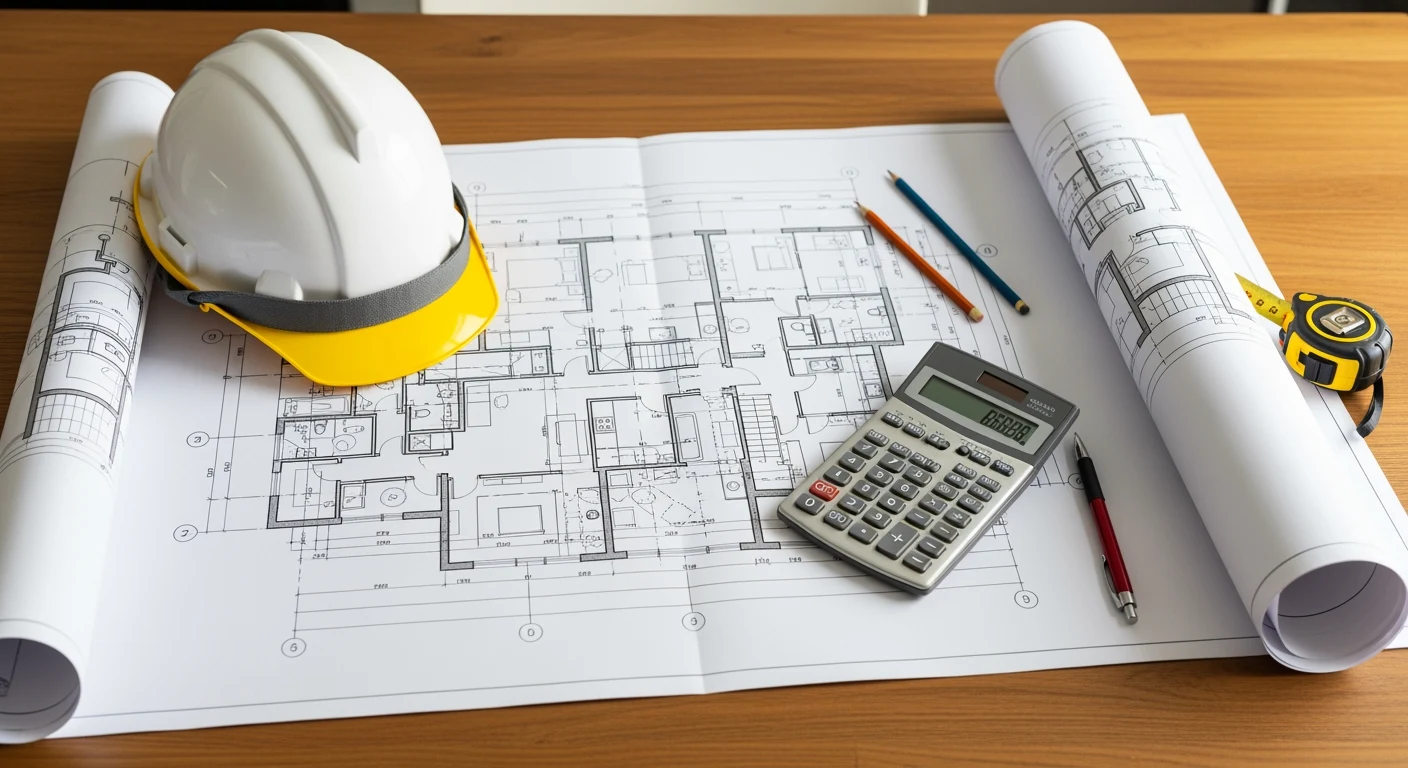
Restoration work in New York — particularly asbestos abatement and mold remediation — is regulated at both the state and city level. The licenses and certifications a restoration contractor should hold is essential reading before hiring any contractor for regulated remediation work. Hiring an unlicensed contractor for asbestos or mold work creates liability for property owners in addition to health risks — knowing what credentials to verify before work begins is the first line of protection.
Frequently Asked Questions — Property Damage Restoration NYC and Long Island
How quickly can Upper Restoration respond to an emergency?
Upper Restoration provides 24/7 emergency response across NYC and Long Island. For active water damage and fire emergencies, rapid response is critical to limiting secondary damage — contact Upper Restoration immediately for emergency dispatch.
Does Upper Restoration work directly with insurance companies?
Yes. Upper Restoration works with all major insurance carriers and can assist with documentation, scope preparation, and claims navigation throughout the restoration process.
What areas does Upper Restoration serve?
Upper Restoration serves New York City (all five boroughs) and Long Island, including Nassau and Suffolk counties.
Can asbestos testing and restoration work happen at the same time?
No. Asbestos testing must be completed and results reviewed before any renovation or restoration work that could disturb asbestos-containing materials. Upper Restoration coordinates testing through certified industrial hygienists and schedules abatement work based on confirmed results.
How long does a typical water damage restoration take?
Structural drying typically takes 3-5 days depending on material types and moisture levels. Full restoration including any necessary reconstruction is project-specific. Upper Restoration provides timeline estimates at the initial assessment.