An asbestos inspection is the critical first step before any renovation, demolition, or purchase of a pre-1980 property in New York. But many homeowners don’t fully understand what an inspection involves, who is qualified to perform one, or what the report actually tells them. This guide covers all of it—from what happens during a professional inspection to what your obligations are if asbestos is found.
What Is an Asbestos Inspection?
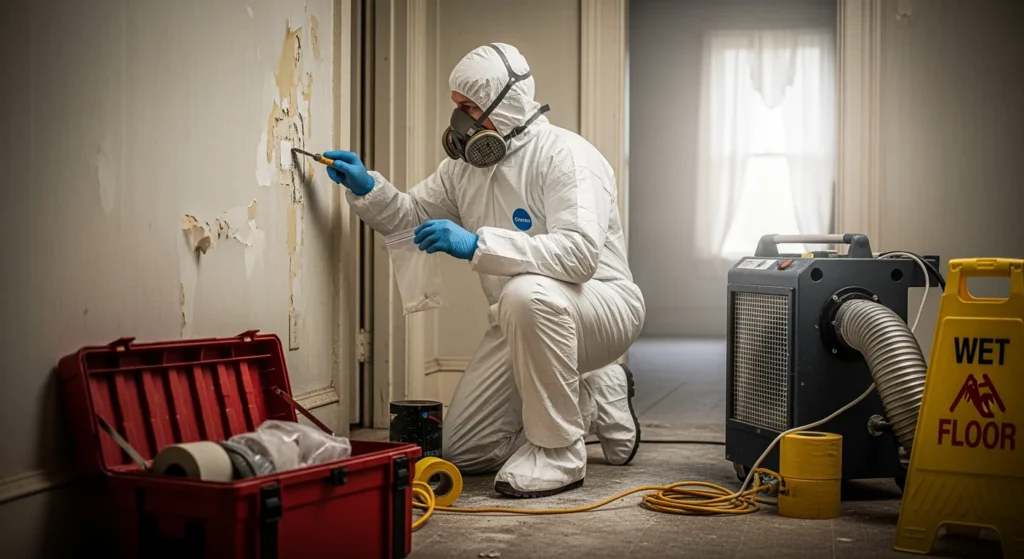
An asbestos inspection—sometimes called an asbestos survey or asbestos assessment—is a systematic evaluation of a building to identify materials that may contain asbestos. A NYS-certified asbestos inspector visually examines all accessible areas of the property, identifies suspect materials based on age, type, and condition, and collects physical samples for laboratory analysis.
The distinction between “inspection” and “testing” matters: inspection is the professional process; testing is the laboratory analysis of collected samples. You cannot test without an inspection, but you can have an inspection identify suspect materials before deciding which ones to test.
When Is a Pre-Renovation Asbestos Inspection Required in New York?
Under EPA NESHAP (National Emission Standards for Hazardous Air Pollutants) and NYC DEP regulations, a thorough building inspection is required before any renovation or demolition that may disturb asbestos-containing materials. Specifically:
- Any demolition: Before any structure or portion of a structure is demolished
- Renovation disturbing 160+ sq ft of friable material: Federal EPA NESHAP threshold
- All NYC commercial projects: NYC DEP requires an asbestos inspection before any renovation in a building constructed before 1987
- Long Island residential projects: Required for most permitted renovation work affecting structural or mechanical systems in pre-1980 homes
For smaller residential projects—removing a bathroom floor, scraping a bedroom ceiling—testing is strongly recommended even when not strictly legally required. A positive test result that surfaces after a contractor has already disturbed the material creates an emergency abatement situation that costs far more than a preventive inspection.
What Happens During a Professional Asbestos Inspection?
Here’s the step-by-step process you should expect from a certified asbestos inspector:
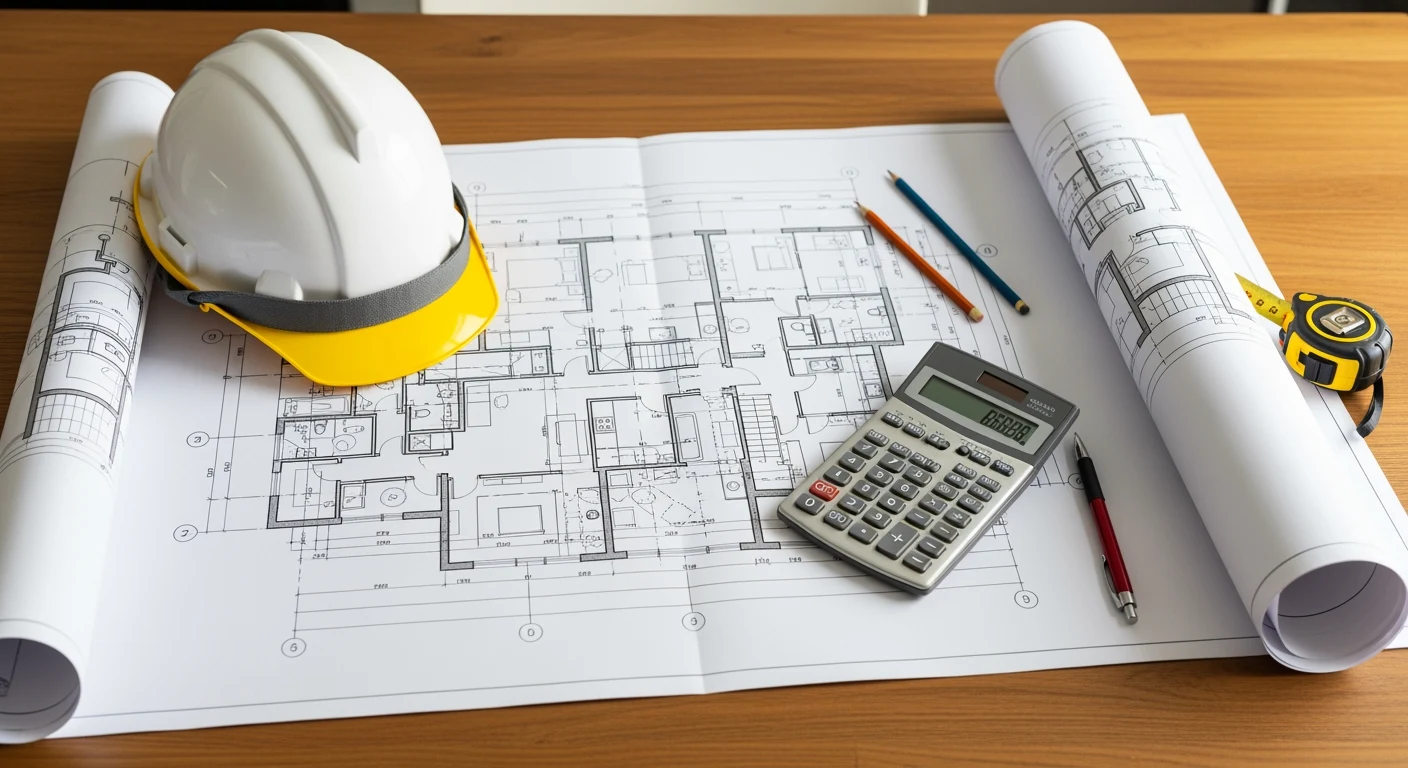
- Pre-inspection documentation review: The inspector reviews building permits, renovation history, and any existing asbestos records.
- Visual survey: All accessible areas are visually inspected. The inspector looks at flooring, ceiling textures, wall materials, pipe insulation, HVAC insulation, roofing, siding, and mechanical rooms.
- Material assessment: Each suspect material is assessed for type, condition (intact vs. damaged/friable), and location. Materials are classified as: presumed asbestos-containing material (PACM), assumed ACM, or known non-ACM.
- Sample collection: The inspector collects physical samples using wet methods and proper containment to minimize fiber release. Samples are labeled with chain-of-custody documentation.
- Laboratory submission: Samples go to an NVLAP or AIHA-accredited laboratory for PLM (Polarized Light Microscopy) analysis.
- Report delivery: A written report is delivered within 24–96 hours, identifying each material sampled, the lab result, the percentage of asbestos if found, and recommendations.
What’s in the Asbestos Inspection Report?
A complete inspection report should include:
- Inspector’s name, certification number, and certification expiration date
- Property address and date of inspection
- Description and location of all suspect materials identified
- Condition assessment of each material (intact, damaged, friable)
- Lab results for each sample with percentage of asbestos by material type
- Classification of each material (ACM or non-ACM)
- Recommendations: leave in place, encapsulate, or abate
- Chain-of-custody documentation from sample to lab
If your inspector provides only a verbal summary or a simple positive/negative form, that is not a complete report. Permitted renovation work, real estate transactions, and NYC DEP compliance require a full written report in the format above.
How Much Does an Asbestos Inspection Cost on Long Island?
| Property Type | Typical Cost (LI/NYC) |
|---|---|
| Single-family home (pre-1980) | $400–$1,000 |
| Multi-family home or small apartment | $600–$1,500 |
| Commercial building (small) | $1,500–$5,000 |
| Pre-demolition survey (residential) | $600–$1,500 |
| Limited inspection (1-2 materials) | $200–$600 |
What Happens If the Inspection Finds Asbestos?
A positive result means you have asbestos-containing material (ACM). Your options:
- Leave it alone: ACM in good condition that will not be disturbed can remain. Many Long Island homes have intact asbestos floor tiles or pipe insulation that never require removal.
- Encapsulation: For materials in fair condition or in areas that will remain accessible, sealants prevent fiber release without removal.
- Abatement: Required when materials are damaged, friable, or will be disturbed by renovation. Abatement must be performed by a separate, licensed contractor—not the inspection company.
Choosing a Certified Asbestos Inspector in New York
The credentials to verify:
- NYS DOL Asbestos Inspector Certificate: Required for all inspectors working on projects in New York State. Verify the certificate number at the NYS DOL website.
- NYC DEP Supervisor Certificate: Required for work in the five boroughs.
- Independence: The inspection company should have no financial relationship with any abatement contractor. New York law prohibits the same entity from inspecting and abating the same project.
- Lab accreditation: Confirm the lab they use is NVLAP or AIHA-accredited.
Upper restoration is a NYS-licensed, NYC DEP-certified abatement contractor. We maintain a network of certified independent inspectors across Nassau and Suffolk County. We’ll connect you with an inspector and provide a free abatement consultation once results are in.
Call: | Request a Free Consultation
Frequently Asked Questions
Can the same company do the asbestos inspection and the removal in New York?
No. New York law requires that the asbestos inspector and the abatement contractor be independent parties with no financial relationship. This separation prevents conflicts of interest. Always use a separate certified inspector and a separate licensed abatement contractor.
How soon can abatement begin after an inspection?
Once you have the written inspection report and lab results, abatement can begin as soon as logistics allow. In NYC, a 10-day prior notification to the DEP is required before most abatement projects. On Long Island, timeline requirements vary by municipality and project scope.
Do I need an asbestos inspection before a home sale in New York?
New York does not require mandatory asbestos disclosure for residential sales. However, buyers of pre-1980 homes increasingly request asbestos inspections as standard due diligence. Some lenders and attorneys recommend it as a condition before closing.
Need professional asbestos abatement on Long Island? Upper Restoration provides licensed asbestos abatement and removal services across NYC and Long Island. Contact us for a free assessment.