Water damage restoration decisions in Long Island homes are driven by one foundational determination before any other: what category is the water? The IICRC S500 Standard for Professional Water Damage Restoration defines three water categories based on contamination level, and the category determines the entire restoration approach — what materials must be demolished versus what can be dried in place, how long the project takes, and in many cases, whether your insurance claim is processed as a standard water loss or as a contamination event requiring different documentation.
Category 1: Clean Water
Category 1 water originates from a sanitary source and presents no substantial risk from contact. On Long Island, Category 1 losses include supply pipe failures (broken copper or galvanized lines), dishwasher and washing machine overflow from fresh water supply, failed water heater connections, and roof leaks from rainwater. Category 1 is the most favorable classification because wet materials can potentially be dried in place rather than demolished — drywall that absorbed Category 1 water for less than 24 to 48 hours at standard conditions can be dried without removal if moisture readings support it. Category 1 can degrade to Category 2 within 24 to 72 hours as microbial growth begins.
Category 2: Gray Water
Category 2 water contains significant contamination and has potential to cause discomfort or sickness if contacted or consumed. On Long Island, Category 2 sources include dishwasher or washing machine discharge (wastewater side), toilet overflow from the bowl without fecal material, sump pump failures when the water source has mixed with soil drainage, and in some cases tidal flooding from the Long Island Sound where harbor contamination elevates the classification above clean freshwater. Category 2 materials that have been wet for more than 24 to 48 hours must generally be removed — Category 2 wet porous materials cannot be dried in place to a hygienically safe standard after this window.
Category 3: Black Water
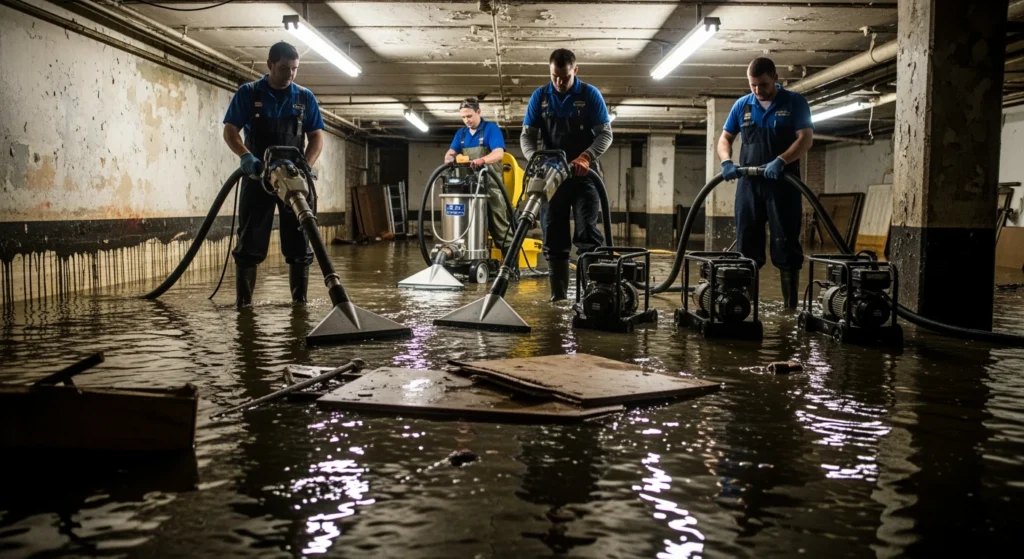
Category 3 water is grossly contaminated and contains pathogenic agents. On Long Island, Category 3 is significantly more common than in inland markets because the classification applies to all storm surge from Great South Bay, Reynolds Channel, Jamaica Bay, Long Island Sound harbor areas, and the Peconic Estuary system — all of which carry sewage from the island’s drainage systems. This means that every south shore Nassau County flooding event, every Lindenhurst canal community flood, every Bay Shore or Freeport storm surge event is a Category 3 loss regardless of how clean the water appears. Category 3 requires demolition of all wet porous materials to 12 inches above the waterline — there is no drying-in-place option for Category 3 wet materials.
Why Category Matters for Long Island Claims
Category 3 losses require more complete material demolition, longer project timelines, and higher labor costs than Category 1 or 2 losses of the same apparent damage extent. Insurance adjusters are trained to challenge Category 3 classifications if the restoration contractor cannot document the water source clearly. Upper Restoration photographs and documents water source evidence — water line marks, bay debris in the structure, drainage system backflow evidence — on every south shore Long Island loss to establish Category 3 classification in the claim file before any adjuster challenges it.
The Degradation Timeline
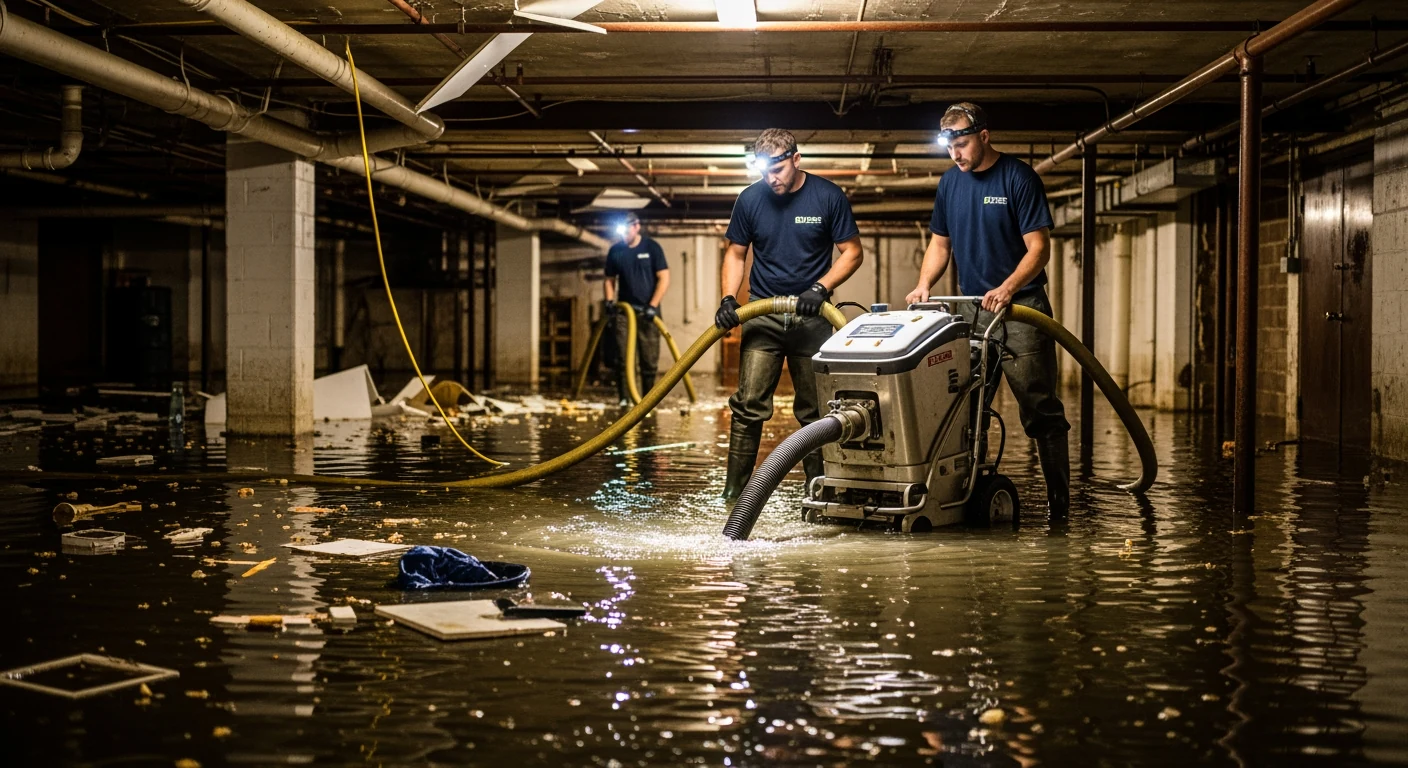
Categories are not static. Category 1 water that sits undrained for 48 to 72 hours degrades to Category 2 as microbial activity begins. Category 2 water that enters previously mold-contaminated assemblies may elevate to Category 3 classification based on the pre-existing contamination. Long Island’s summer ambient humidity — consistently above 70 percent from June through September — accelerates the degradation timeline compared to drier climates. A Category 1 pipe failure in a Long Island basement in August has a shorter window before contamination classification elevates than the same event in November.