
Asbestos in Long Island Office Buildings: Identification, Testing & Next Steps

Long Island office buildings built before 1985 likely contain asbestos. Learn where it hides, how to test, and what building owners and tenants need to do.
Pre-Renovation Asbestos Surveys for Commercial Buildings on Long Island

New York requires asbestos surveys before commercial renovation. Learn what a pre-renovation survey covers, who performs it, and how Long Island building owners stay compliant.
Commercial Asbestos Removal Cost on Long Island: What Building Owners Pay

What does commercial asbestos removal cost on Long Island? Explore price ranges per square foot, factors that drive cost, and how to budget for safe abatement.
Nor’easter vs. Hurricane: How Storm Type Determines Long Island Restoration Response

Nor’easters and hurricanes produce different damage profiles on Long Island — different flooding mechanisms, different wind loads, different debris patterns, and different insurance claim frameworks. Understanding the distinction helps Long Island homeowners and business owners prepare more accurately and navigate post-storm claims more effectively.
Psychrometrics for Structural Drying: How Temperature, Humidity, and Dew Point Drive Restoration
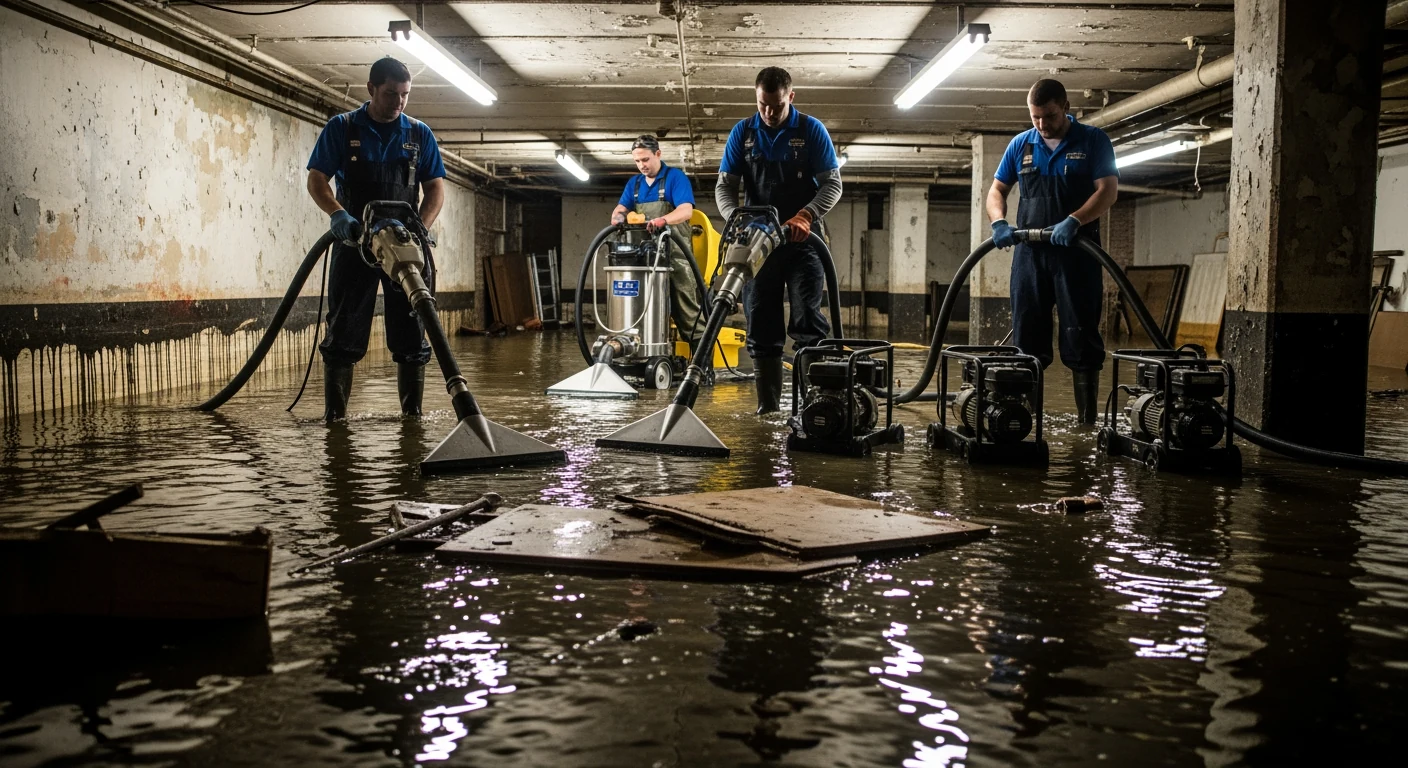
Psychrometrics — the science of moisture in air — is the technical foundation that separates professional structural drying from equipment guessing. Understanding how temperature, relative humidity, grain depression, and dew point interact explains why drying logs matter and what they should show.
Hurricane Season Prep for Long Island Homeowners: The Complete June 1 Checklist
June 1 is the official start of the Atlantic hurricane season. For Long Island homeowners — particularly in Nassau’s south shore and Suffolk’s east end communities — the preparation that happens before June 1 determines the difference between a manageable storm event and a catastrophic loss. This is the complete checklist.
Repetitive Loss Properties on Long Island: NFIP Classification and Mitigation Options

FEMA’s Repetitive Loss and Severe Repetitive Loss designations apply to thousands of Long Island properties in Nassau’s south shore communities — classifications that affect flood insurance premiums, mitigation grant eligibility, and a property’s long-term insurability under the NFIP.
FEMA Elevation Certificates on Long Island: Why You Need One Before the Next Storm

An Elevation Certificate documents your Long Island property’s lowest floor elevation relative to the Base Flood Elevation — the foundational document for NFIP flood insurance pricing, Substantial Damage determinations, and building permit applications in Special Flood Hazard Areas. Many Long Island homeowners who should have one don’t.
Hurricane Sandy 10 Years Later: What Long Island Homes Still Need to Address

Sandy made landfall on October 29, 2012. More than a decade later, thousands of Long Island homes in the communities most severely affected have unresolved structural, mold, and asbestos issues from incomplete post-storm remediation. This is an audit framework for south shore Nassau and Suffolk homeowners who experienced Sandy damage.
Institutional Asbestos Management: AHERA Requirements for Long Island Schools
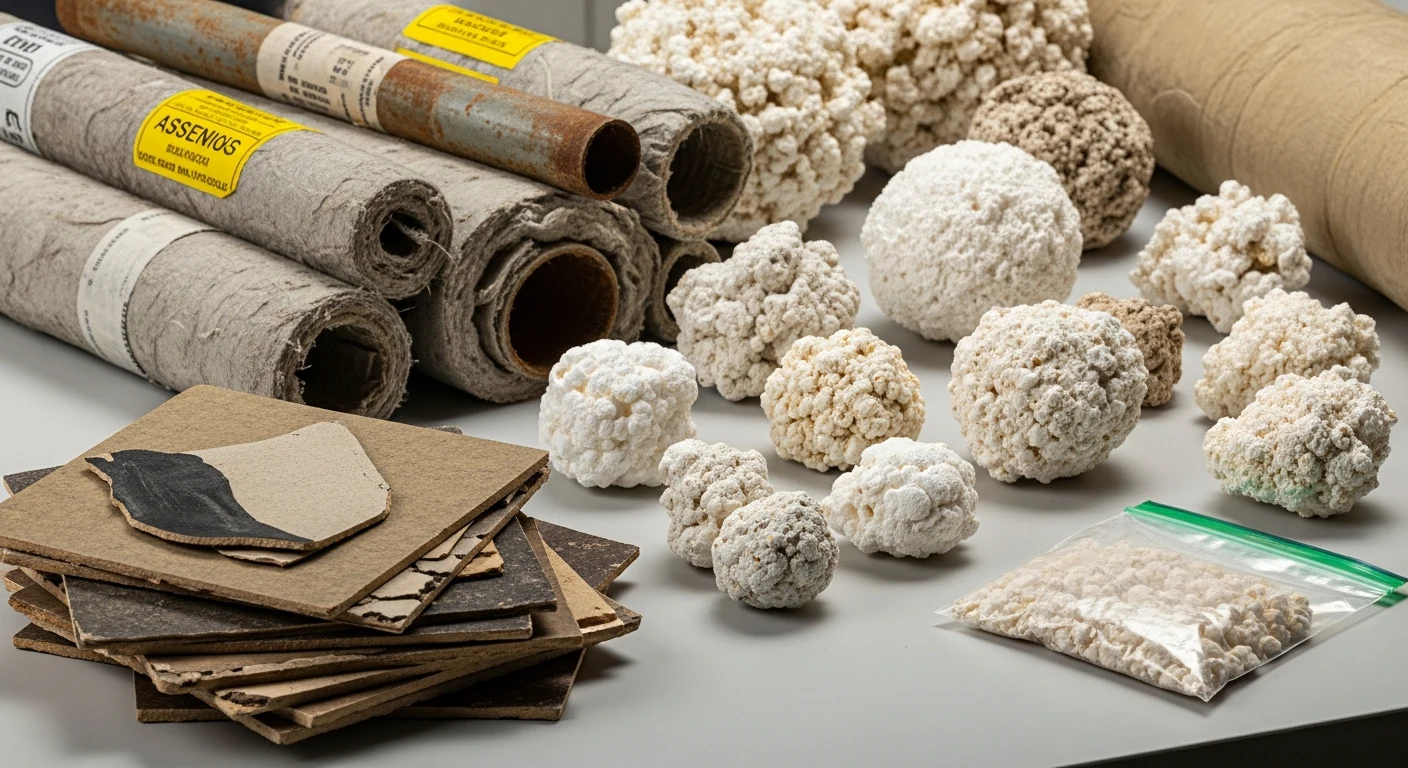
The Asbestos Hazard Emergency Response Act (AHERA) requires every Long Island school district to maintain a management plan for asbestos-containing materials in school buildings, conduct periodic inspections, and provide annual notification to parents and staff. This is what AHERA requires and what happens when school districts fail to maintain compliance.
