
Mold Remediation in the Town of Brookhaven, NY
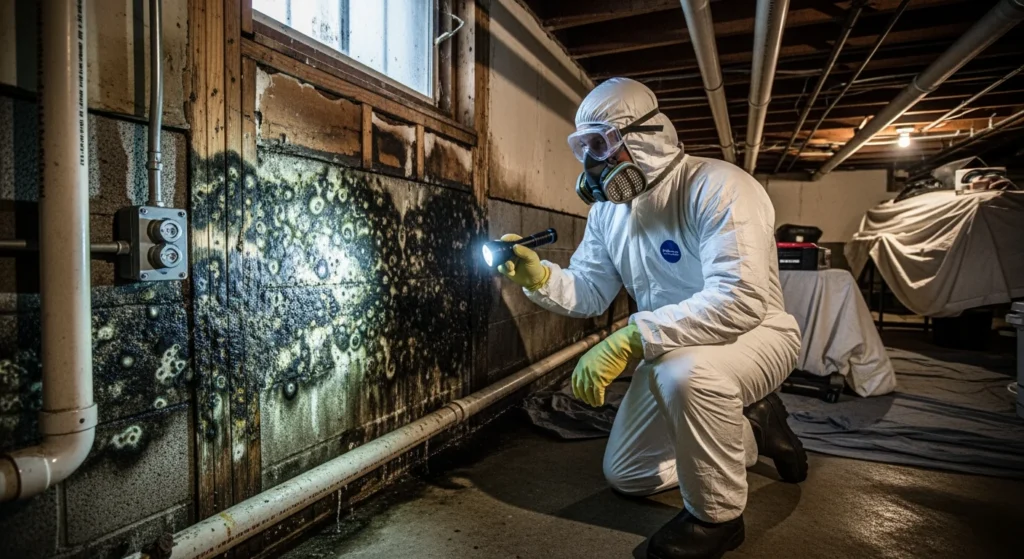
As New York’s largest township by area, Brookhaven’s mold remediation landscape spans Mastic Beach’s severe post-Sandy south shore legacy, Coram and Medford’s shallow water table hydrostatic basement mold, and Stony Brook and Port Jefferson’s north shore older construction — three distinct mold risk profiles in a single township covering 531 square miles.
Mold Remediation in the Town of Huntington, NY
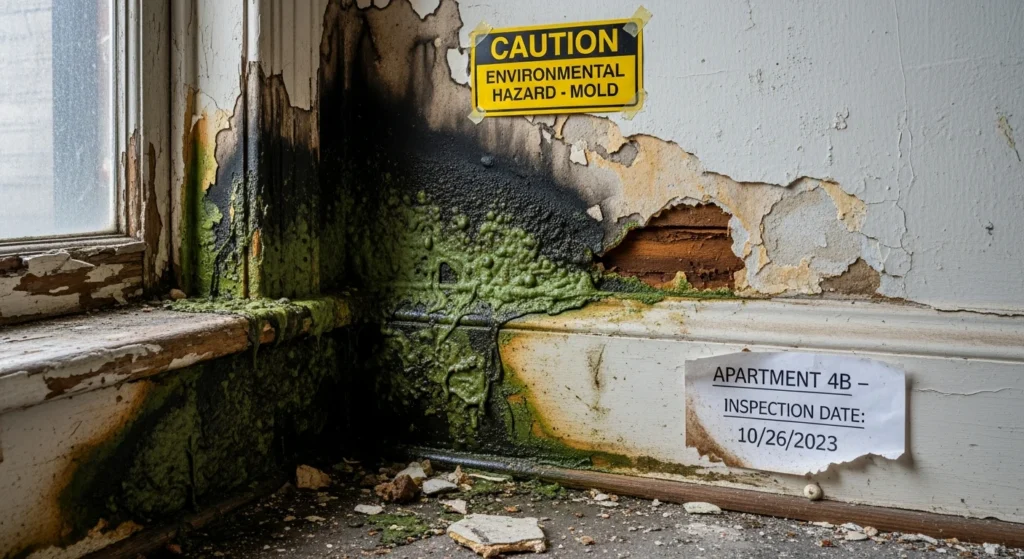
Huntington’s mold remediation profile is shaped by the split-level below-grade family rooms of Huntington Station and Dix Hills — a housing type uniquely prone to condensation-driven mold from its below-grade configuration — and the north shore’s Sound-shore humidity amplification in older Cold Spring Harbor and Northport construction.
Mold Remediation in the Town of Islip, NY
Islip’s mold remediation workload spans Bay Shore and East Islip’s post-Sandy south shore legacy, Brentwood’s dense multi-family housing stock where mold in one unit typically indicates mold in adjacent units, and the island’s interior where Connetquot River flooding creates freshwater mold events distinct from the Category 3 bay water pattern on the coast.
Mold Remediation in the Town of Babylon, NY
Babylon’s south shore — built on marsh land one to two feet above sea level with recurrent Great South Bay flooding — creates a mold risk environment defined by Category 3 water legacy, inadequately dried flood events across multiple storm seasons, and a housing stock where original 1950s–1960s paper-faced drywall installed against unprotected foundation walls feeds mold at the first sign of moisture.
Mold Remediation in the Town of Oyster Bay, NY
Oyster Bay’s dual-shore span creates two distinct mold risk populations: Massapequa and Seaford’s post-Sandy south shore homes with hidden basement and wall cavity mold from incompletely remediated flood events, and the north shore’s older construction with fieldstone foundation moisture and Sound-shore humidity amplification.
Mold Remediation in the Town of North Hempstead, NY
North Hempstead’s mold remediation profile is defined by two distinct building populations: pre-war Gold Coast estates with historic building assemblies that trap moisture differently than modern construction, and post-war interior colonials where aging plumbing and Sound-shore humidity create the standard Long Island mold pattern.
Mold Remediation in the Town of Hempstead, NY
Hempstead’s 65,000 flood-zone homes, the largest concentration of post-Sandy incompletely remediated structures on Long Island, and the highest ambient mold discovery rate in Upper Restoration’s township data make this Nassau County township the epicenter of Long Island’s mold remediation workload.
Mold Remediation Long Island: The Complete Nassau & Suffolk County Guide
Long Island’s combination of aging pre-1980 housing stock, high summer humidity, post-Sandy moisture events, and NYS Article 32 licensing requirements makes mold remediation one of the most regulated and complex restoration services across Nassau and Suffolk Counties.
What Kills Mold — 5 Methods Compared (And What Actually Works in NYC Homes)
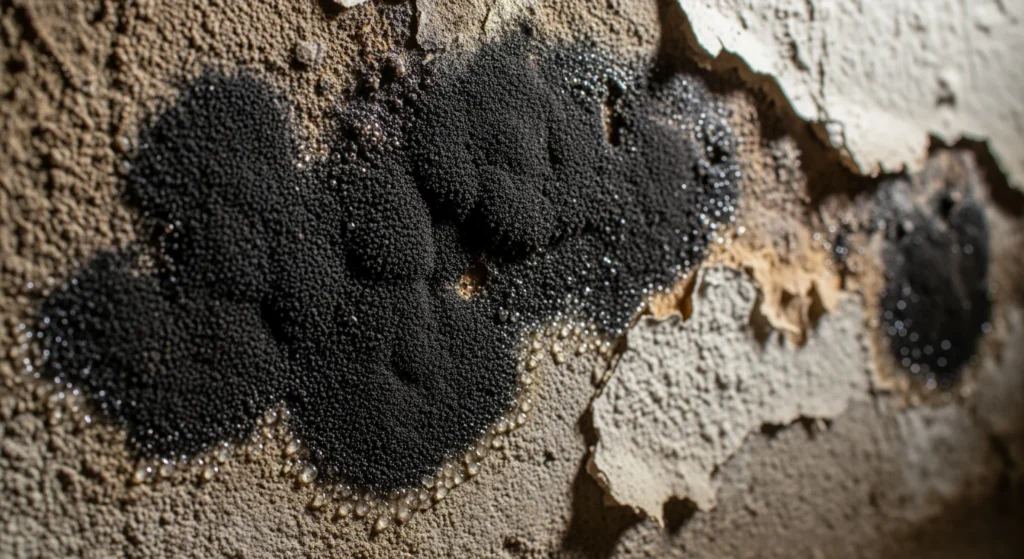
Tired of mold myths? We compare 5 common cleaning methods — including bleach, vinegar, and alcohol — and explain what works in real NYC homes.
10 Mold Questions Everyone Is Asking — With Advice for NYC & Long Island Homes
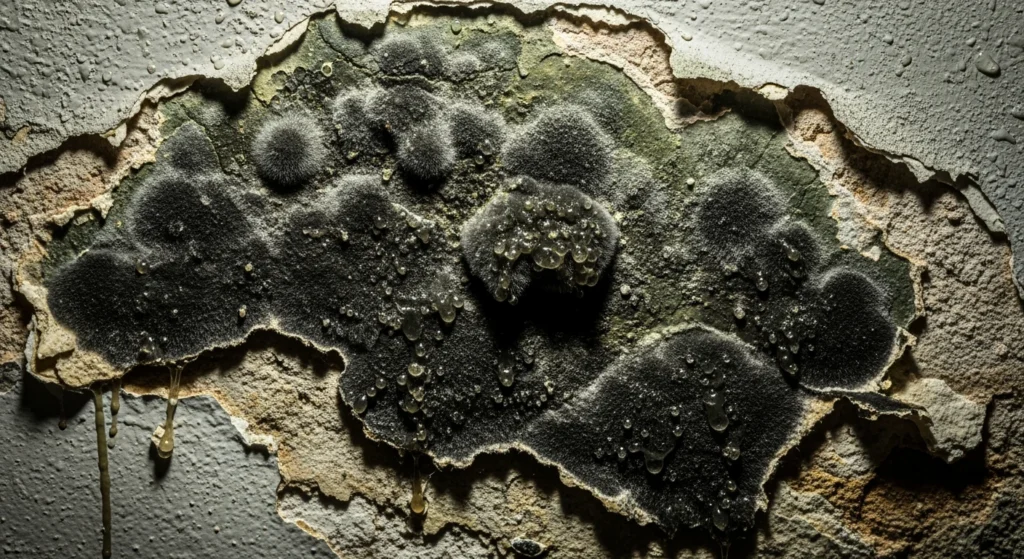
Mold is a serious issue in NYC and Long Island homes. We answer 10 of the most searched questions — from vinegar and bleach to smell, health risks, and removal.
