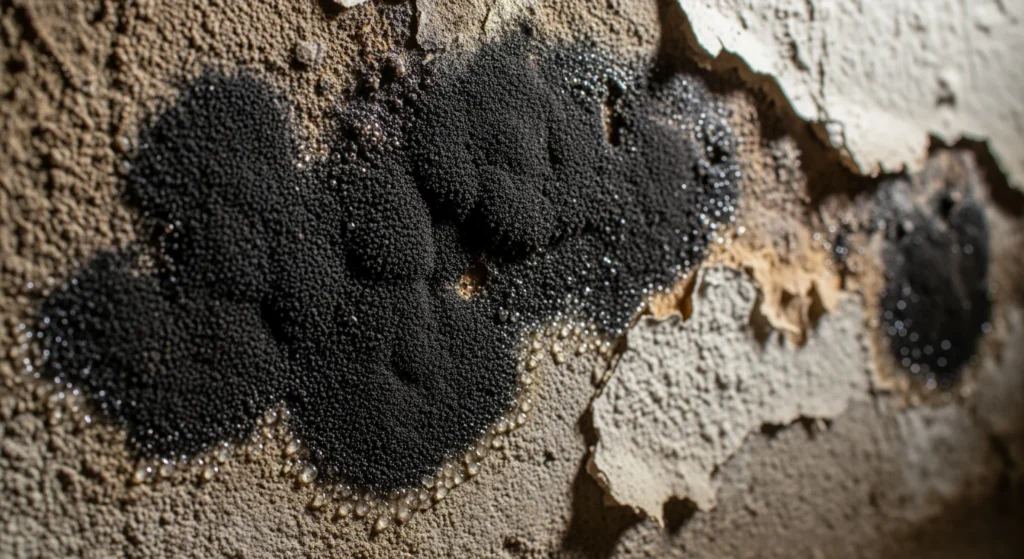
When it comes to mold, everyone has an opinion — vinegar, bleach, Lysol, alcohol, baking soda… But which of these actually work? And which are just covering up the smell?
In New York City and Long Island homes, mold isn’t just a surface issue. It hides behind baseboards, grows inside walls, and spreads through old HVAC systems. So while DIY methods might seem quick and cheap, they’re not always enough.
Here’s a side-by-side breakdown of five popular mold “killers” — what they work on, what they don’t, and when to call for professional help.
1. Bleach
Effectiveness:
- Works on: Non-porous surfaces (tile, sinks, glass)
- Fails on: Wood, drywall, fabrics
Reality:
Bleach kills surface mold but doesn’t penetrate porous materials. Worse, it adds moisture to soft surfaces, which can actually make mold come back stronger. It also emits fumes that may irritate the lungs. In NYC apartments with drywall, old flooring, or layered wood trim, bleach gives the illusion of control — but rarely solves the root problem.
Verdict:
❌ Outdated and limited — not recommended for real remediation.
2. Vinegar
Effectiveness:
- Works on: Many household surfaces, including some porous ones
- Mildly effective against 80% of mold species
Reality:
White distilled vinegar is acidic and breaks down many mold structures. It works well for surface mold on wood, tile, and clothing. Let it sit undiluted for an hour before scrubbing. In NYC homes, it’s helpful for window sills, bathroom walls, or closets — but ineffective on deep-set mold or water-damaged insulation.
Verdict:
✅ Safe and effective for small jobs, but not for widespread infestations.
3. Lysol
Effectiveness:
- Works on: Surface bacteria and some mold spores
- Not EPA-registered for mold remediation
Reality:
Lysol kills germs and may reduce some visible mold. But it’s not strong enough to stop mold from regrowing, especially on porous or textured surfaces. In older NYC buildings, spraying Lysol on a problem spot might mask the smell — but the mold beneath the surface keeps thriving.
Verdict:
⚠️ Smell-control, not mold control — limited effectiveness.
4. Alcohol (Isopropyl or Ethanol)
Effectiveness:
- Kills mold on non-porous materials
- Evaporates quickly, reducing moisture risk
Reality:
70%+ isopropyl alcohol can kill some mold spores and reduce surface contamination. It’s effective in clean-room environments but less reliable in real-world housing. NYC homeowners sometimes use it for electronics, furniture, or small mold spots, but it won’t solve deeper or systemic mold problems.
Verdict:
🟡 Useful in isolated situations, not a whole-home solution.
5. EPA-Registered Mold Remediation Products
Effectiveness:
- Designed specifically for mold and fungi
- Used by licensed remediation professionals
Reality:
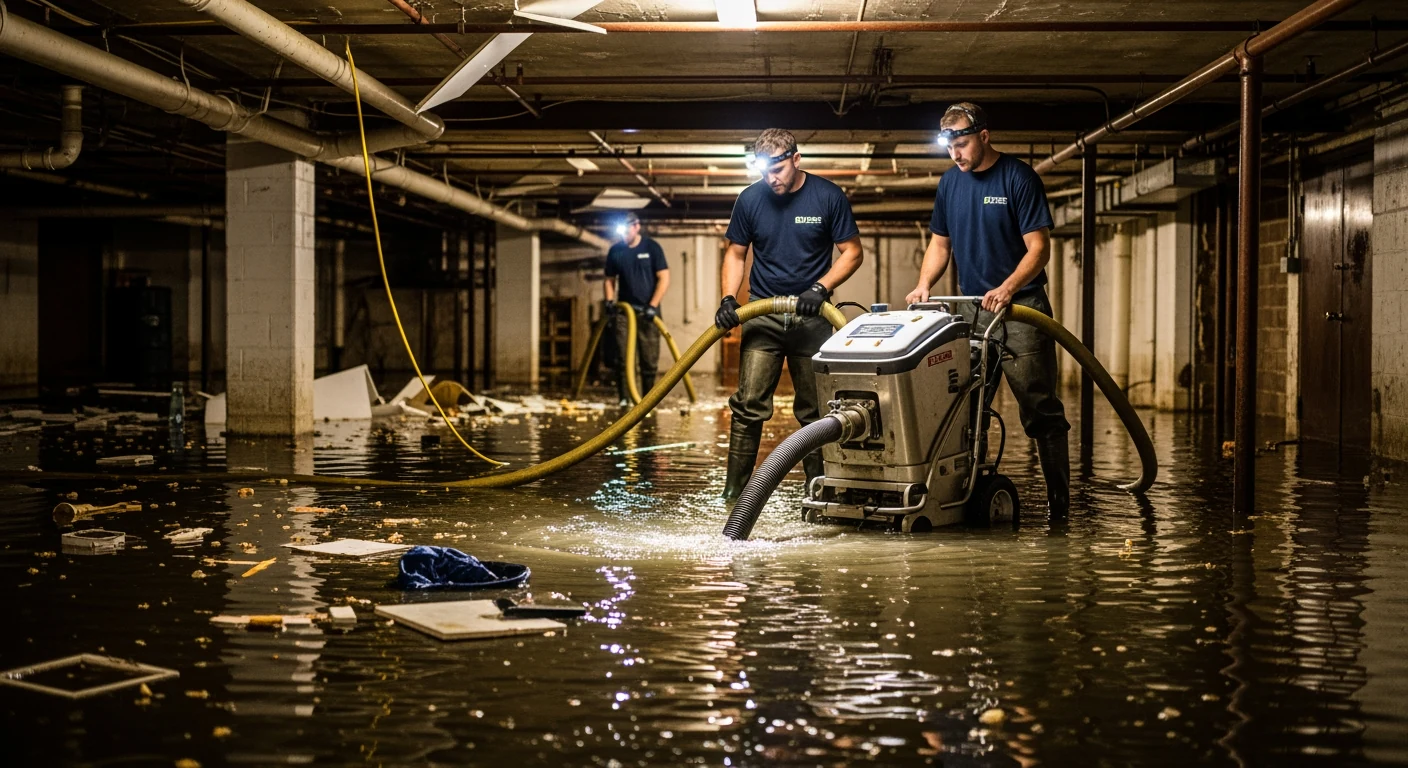
These solutions contain powerful antimicrobial agents that destroy mold spores and prevent regrowth. They’re applied with HEPA vacuums, air scrubbers, and negative air machines during professional jobs. In NYC, where mold often hides inside multi-layered walls or behind water-damaged plaster, these are essential.
Verdict:
✅ The only reliable solution for deep, recurring, or hidden mold.
🧼 Final Thoughts
If you’re dealing with a small surface issue — like mold on a window sill or in a bathroom corner — vinegar or alcohol might help. But if:
- The mold keeps returning
- The smell is musty throughout the space
- There was a past leak
- You live in a pre-war building with aging materials…
…it’s time to get the space professionally assessed. NYC and Long Island buildings often contain the perfect conditions for mold to thrive — behind the walls, not just on them.
🔗 Want to talk to a licensed remediation specialist?
Contact Upper Restoration for certified mold assessments and same-day help in NYC and beyond.