
Mold Remediation in East Hampton, NY: Seasonal Vacancy, Article 32 & Montauk Guide (2026)
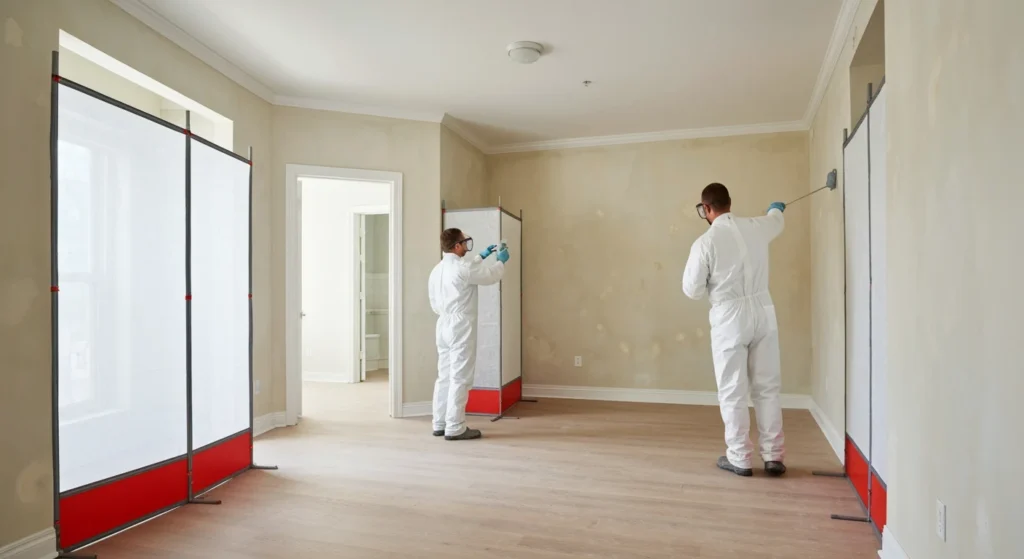
Mold remediation in East Hampton, NY — how seasonal vacancy creates hidden mold in Hamptons properties, NYS Article 32 licensing requirements, Montauk coastal mold risks, and what certified remediation costs on the East End in 2026.
Mold Remediation Long Island: NYS Law, Costs & Township Risk Guide (2026)
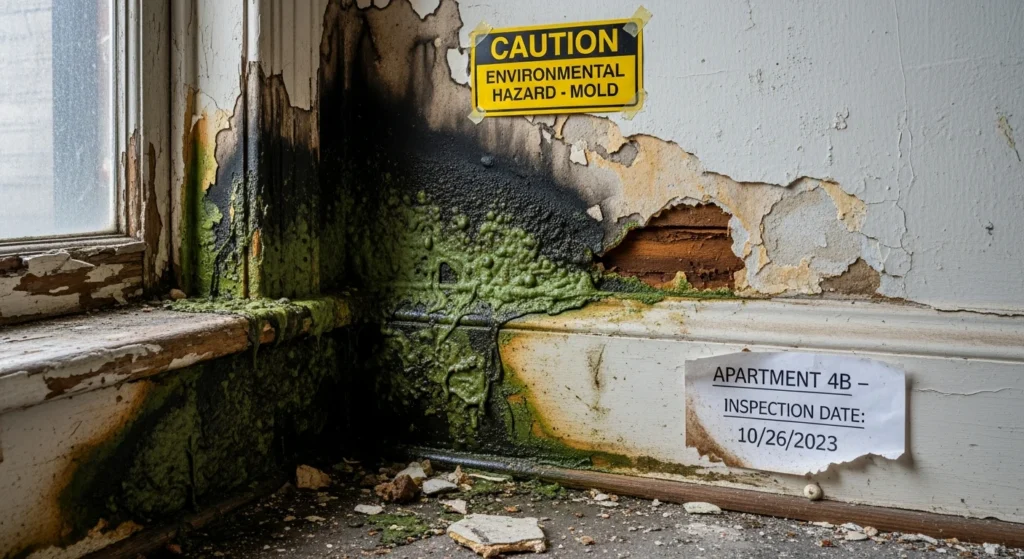
Complete guide to mold remediation on Long Island — NYS Article 32 requirements, township mold risk profiles by Nassau and Suffolk County, 2026 cost breakdown, insurance coverage, and how to verify a licensed contractor.
Hurricane Season Prep for Long Island Homeowners: The Complete June 1 Checklist
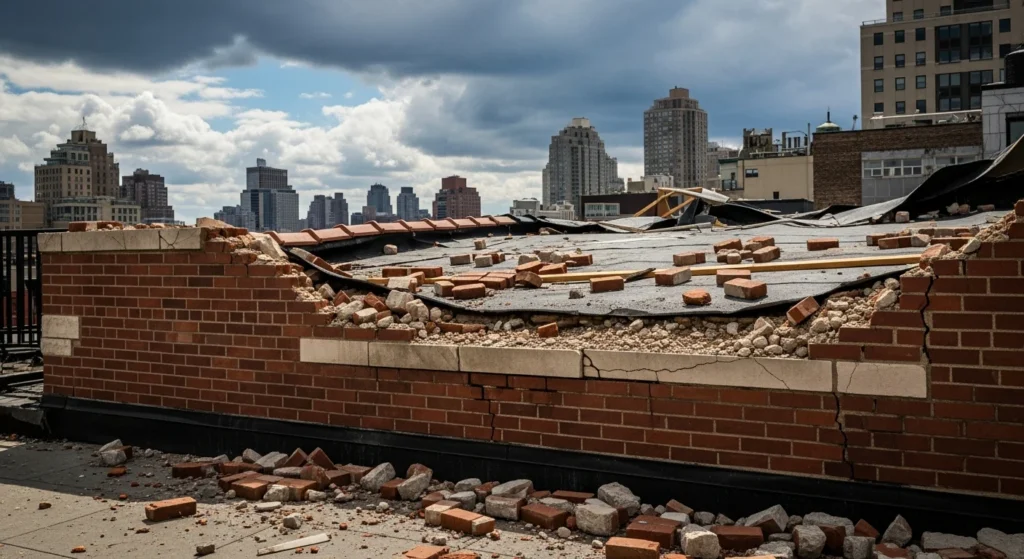
June 1 is the official start of the Atlantic hurricane season. For Long Island homeowners — particularly in Nassau’s south shore and Suffolk’s east end communities — the preparation that happens before June 1 determines the difference between a manageable storm event and a catastrophic loss. This is the complete checklist.
Hurricane Sandy 10 Years Later: What Long Island Homes Still Need to Address
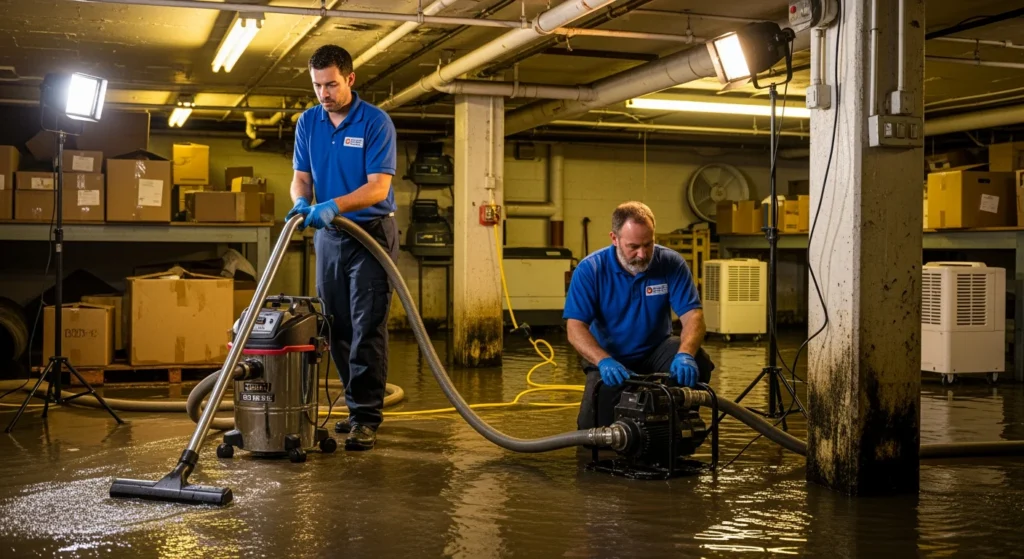
Sandy made landfall on October 29, 2012. More than a decade later, thousands of Long Island homes in the communities most severely affected have unresolved structural, mold, and asbestos issues from incomplete post-storm remediation. This is an audit framework for south shore Nassau and Suffolk homeowners who experienced Sandy damage.
Commercial Mold Remediation for Long Island Businesses: OSHA, Insurance, and ROI
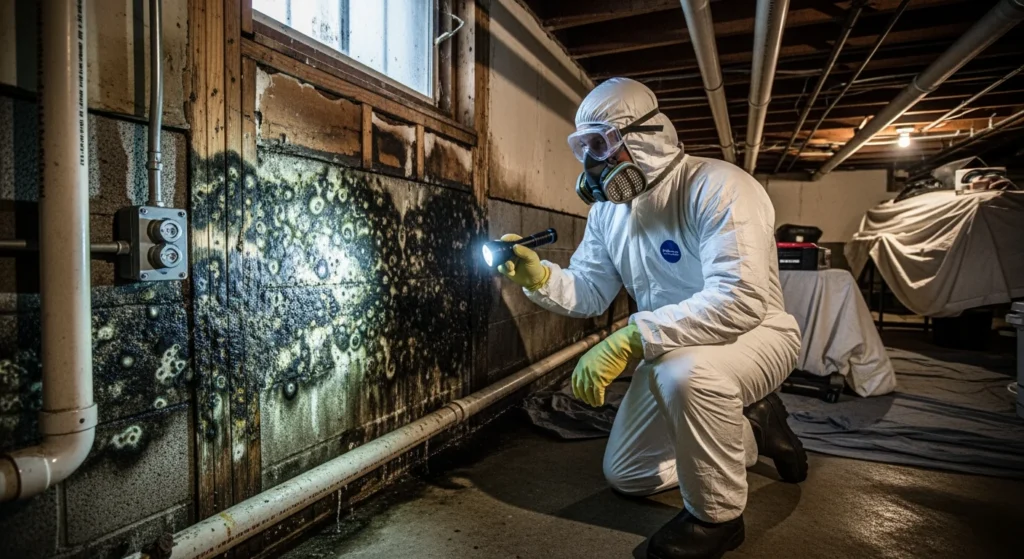
Commercial mold in a Long Island office, retail, or restaurant space creates simultaneous OSHA worker exposure compliance obligations, insurance claim documentation requirements, and business interruption cost calculations — all of which must be managed concurrently rather than sequentially.
Xactimate Line Items Long Island Contractors Fight For — and How to Support Them

Insurance adjusters routinely challenge specific Xactimate line items in Long Island water damage and fire claims — asbestos assessment add-ons, Category 3 demolition scope, lead-safe work practice surcharges, and LGR dehumidifier deployment are the most commonly disputed. This is what the disputes look like and how Upper Restoration supports each contested item.
How Long Island Restoration Claims Work: From First Call to Final Payment
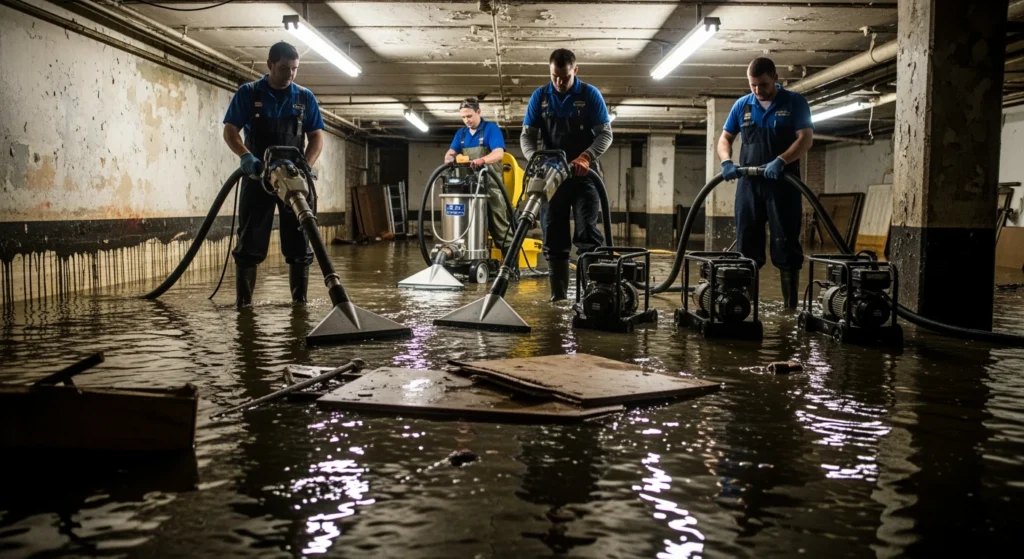
The insurance claim process for a Long Island water damage, fire, or mold restoration project involves your carrier, your adjuster, your restoration contractor, and in complex cases a public adjuster or attorney — understanding how these roles interact and what documentation is required at each stage prevents payment delays and underpaid claims.
Mold in HVAC Ductwork: Detection, Remediation, and Long Island Humidity Context
HVAC ductwork mold on Long Island is driven by the island’s 70%+ summer ambient relative humidity and the specific failure mode of improperly insulated supply ducts — when cold supply air flows through ductwork in humid space, condensation forms on the duct exterior and interior mold initiates. This is what detection and remediation looks like in Long Island’s residential systems.
Mold and Property Sales in New York: Disclosure, Remediation, and Closing Timelines
Mold discovery during a Long Island real estate transaction is one of the most time-pressured remediation scenarios — buyers, sellers, attorneys, and inspectors are all operating on contract timelines that may not align with Article 32 assessment and remediation requirements. This is what every party to a Long Island property transaction should know.
Cladosporium vs. Penicillium vs. Aspergillus: Long Island’s Three Most Common Mold Species
Three mold genera account for the overwhelming majority of residential mold found in Long Island homes — Cladosporium, Penicillium, and Aspergillus. Understanding where each thrives, what it looks like, and what its presence indicates about moisture conditions helps Long Island homeowners interpret assessment findings accurately.
