Fire Damage Restoration Cost on Long Island: What You’ll Actually Pay in 2025

Real 2025 fire damage restoration costs for Long Island: minor fires cost $5,000–$20,000; major fires cost $60,000–$150,000+. Learn why smoke damage often costs more than the fire, and how to protect your insurance claim.

Navigating a Fire Damage Insurance Claim in New York: A Step-by-Step Guide (2026)

A fire damage insurance claim in New York involves specific steps from first call to final settlement. Here is how to document, file, and negotiate your claim to maximize your recovery.
NYC Tenant Rights After Mold, Water & Fire Damage: What Your Landlord Must Do

NYC tenants have strong rights after mold, water, or fire damage. Here is what your landlord must do under NYS law, how HPD complaints work, and when rent withholding is legal.
Nor’easter vs. Hurricane: How Storm Type Determines Long Island Restoration Response

Nor’easters and hurricanes produce different damage profiles on Long Island — different flooding mechanisms, different wind loads, different debris patterns, and different insurance claim frameworks. Understanding the distinction helps Long Island homeowners and business owners prepare more accurately and navigate post-storm claims more effectively.
Hurricane Season Prep for Long Island Homeowners: The Complete June 1 Checklist

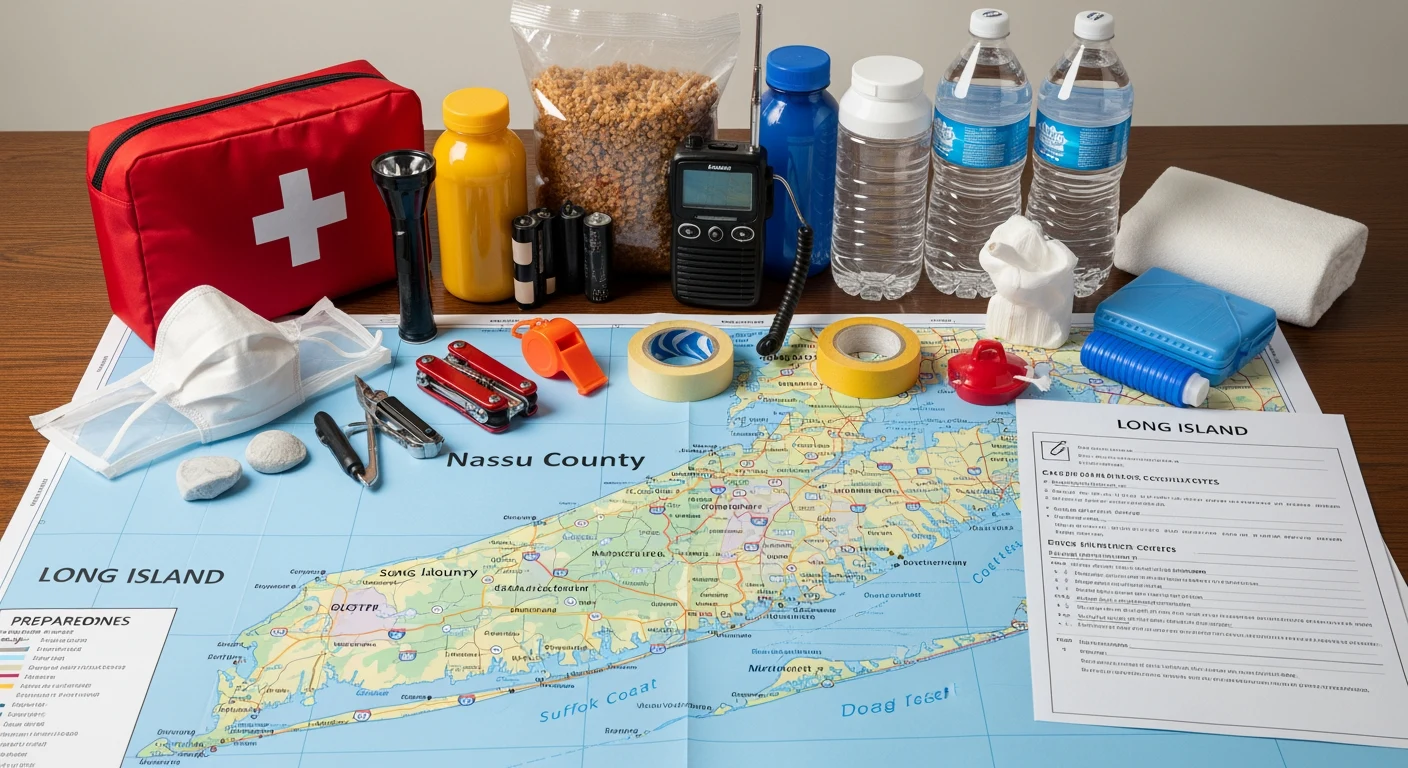
June 1 is the official start of the Atlantic hurricane season. For Long Island homeowners — particularly in Nassau’s south shore and Suffolk’s east end communities — the preparation that happens before June 1 determines the difference between a manageable storm event and a catastrophic loss. This is the complete checklist.
Xactimate Line Items Long Island Contractors Fight For — and How to Support Them

Insurance adjusters routinely challenge specific Xactimate line items in Long Island water damage and fire claims — asbestos assessment add-ons, Category 3 demolition scope, lead-safe work practice surcharges, and LGR dehumidifier deployment are the most commonly disputed. This is what the disputes look like and how Upper Restoration supports each contested item.
How Long Island Restoration Claims Work: From First Call to Final Payment

The insurance claim process for a Long Island water damage, fire, or mold restoration project involves your carrier, your adjuster, your restoration contractor, and in complex cases a public adjuster or attorney — understanding how these roles interact and what documentation is required at each stage prevents payment delays and underpaid claims.
Thermal Fogging vs. Hydroxyl Generators vs. Ozone: Matching Odor Technology to Smoke Type

Three primary technologies are used to eliminate smoke odor after Long Island fire events — thermal fogging, hydroxyl generation, and ozone treatment. Each has specific applications, limitations, and situations where it is the correct choice or the wrong choice. Understanding the differences prevents paying for the wrong technology.
Contents Restoration After Fire: Pack-Out, Cleaning Methods, and What Can Be Saved

After a Long Island house fire, the restoration of personal property — furniture, electronics, clothing, documents, heirlooms — is a parallel track to structural restoration that requires specialized cleaning methods, off-site pack-out facilities, and realistic expectations about what can and cannot be restored.
Asbestos in Fire Debris: Why Pre-Demolition Testing Is Non-Negotiable in Pre-1980 Long Island Construction

Every structural fire in pre-1980 Long Island construction — which is the majority of the housing stock in Nassau County and western Suffolk — requires asbestos bulk sampling of demolition materials before a single piece of debris can be removed. This is NYS DEC Code Rule 56 compliance, and contractors who skip this step expose Long Island homeowners to regulatory liability and uncapped remediation costs.