
Flood Damage Restoration on Long Island: What to Expect, What It Costs, and Who to Call
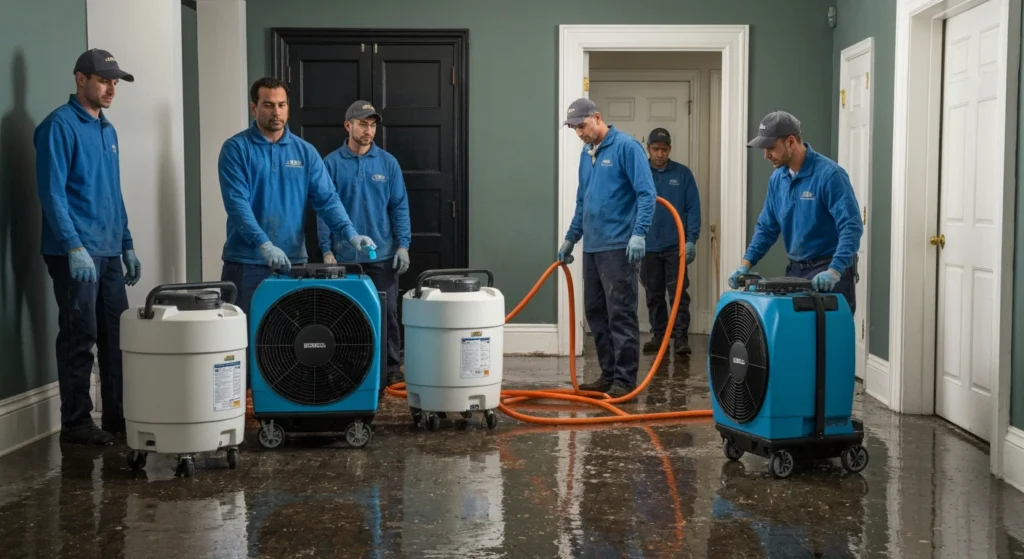
Flood damage restoration on Long Island costs $4,000–$35,000+ depending on severity. All exterior floodwater is Category 3 contamination. Learn the full process, 2026 pricing, insurance coverage, and what to do immediately after a flood in Nassau or Suffolk County.
Mold Remediation in the Town of Smithtown, NY
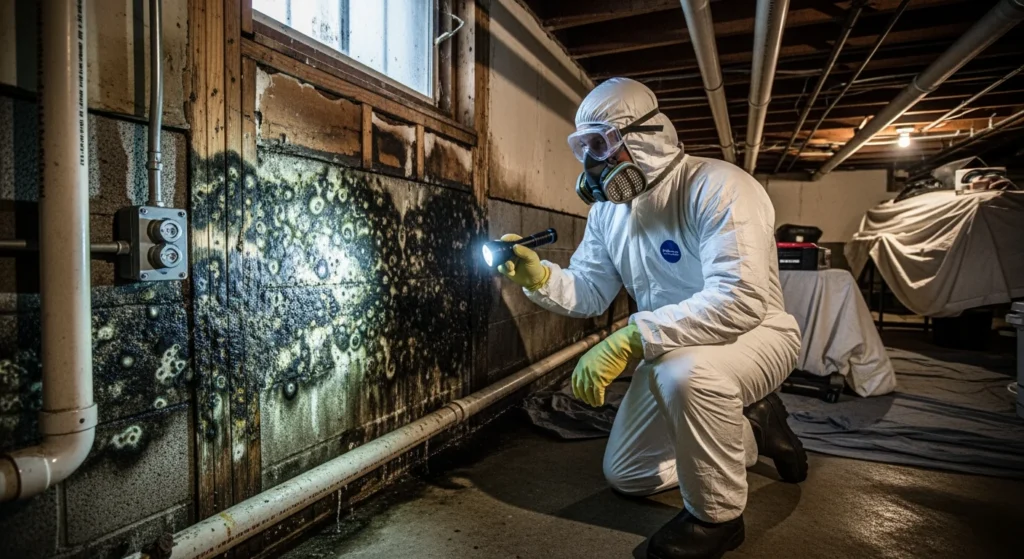
Smithtown’s mold remediation profile is defined by its interior suburban character — the Nissequogue River watershed creates freshwater flooding events that produce different mold risk than the coastal bay water pattern, and the township’s 1960s–1980s split-level and Colonial housing stock carries the standard pre-1980 attic and below-grade family room mold vulnerabilities.
Mold Remediation in the Town of Brookhaven, NY
As New York’s largest township by area, Brookhaven’s mold remediation landscape spans Mastic Beach’s severe post-Sandy south shore legacy, Coram and Medford’s shallow water table hydrostatic basement mold, and Stony Brook and Port Jefferson’s north shore older construction — three distinct mold risk profiles in a single township covering 531 square miles.
Mold Remediation in the Town of Huntington, NY
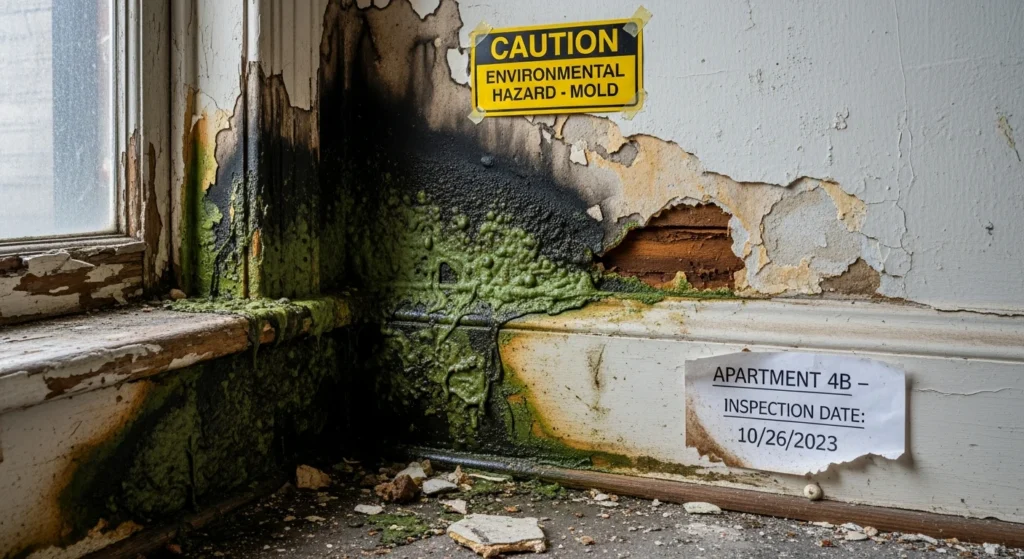
Huntington’s mold remediation profile is shaped by the split-level below-grade family rooms of Huntington Station and Dix Hills — a housing type uniquely prone to condensation-driven mold from its below-grade configuration — and the north shore’s Sound-shore humidity amplification in older Cold Spring Harbor and Northport construction.
Mold Remediation in the Town of Islip, NY
Islip’s mold remediation workload spans Bay Shore and East Islip’s post-Sandy south shore legacy, Brentwood’s dense multi-family housing stock where mold in one unit typically indicates mold in adjacent units, and the island’s interior where Connetquot River flooding creates freshwater mold events distinct from the Category 3 bay water pattern on the coast.
Mold Remediation in the Town of Babylon, NY
Babylon’s south shore — built on marsh land one to two feet above sea level with recurrent Great South Bay flooding — creates a mold risk environment defined by Category 3 water legacy, inadequately dried flood events across multiple storm seasons, and a housing stock where original 1950s–1960s paper-faced drywall installed against unprotected foundation walls feeds mold at the first sign of moisture.
