
What Does Asbestos Look Like? How to Spot Potential Hazards
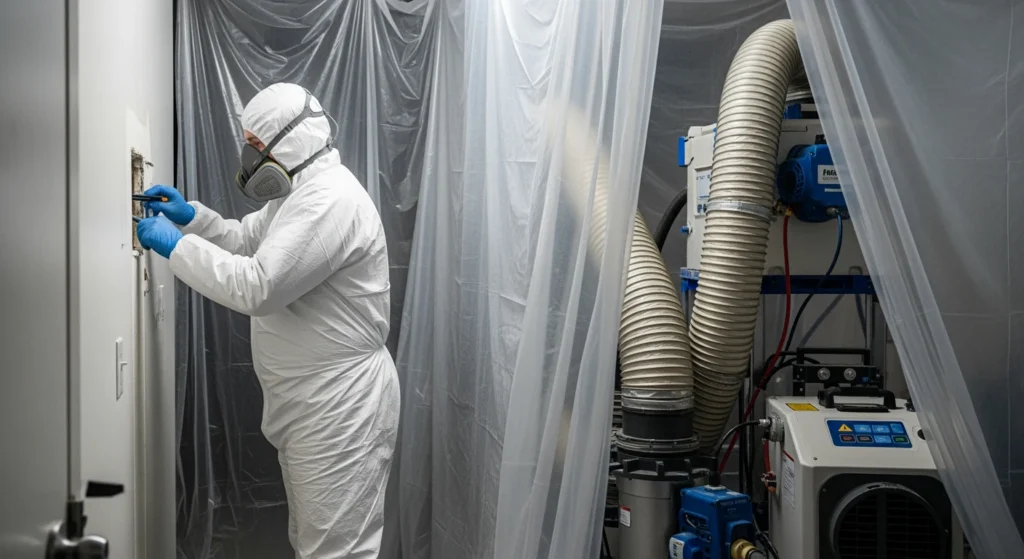
The spray-painted “ASBESTOS” on an abandoned building is a clear warning, but in most homes and businesses, the danger is hidden in plain sight. One of the most common questions property owners ask is, “What does asbestos look like?” The frustrating but true answer is: it can look like almost anything. Asbestos is a microscopic […]
The Commercial Asbestos Abatement Process: A Guide for Business Owners
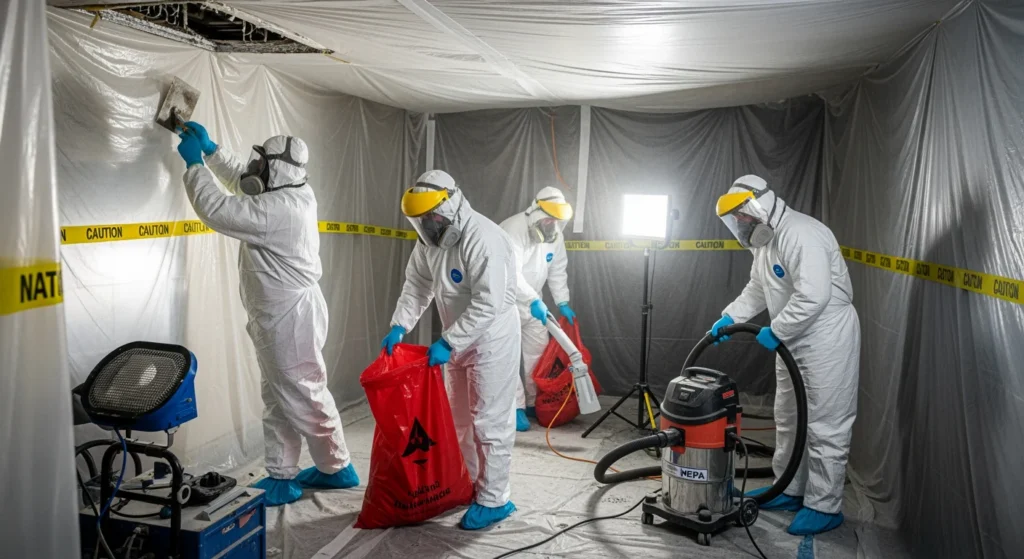
For a business or Commercial Property owner, discovering asbestos requires immediate and professional action. Seeing your property sealed off with caution tape during an abatement can be concerning, especially when considering the impact on your operations. However, understanding the strict, regulated process can provide peace of mind that the job is being done safely, legally, […]
Don’t Risk It: Why “Licensed & Insured” is Non-Negotiable for Asbestos Removal in Long Island
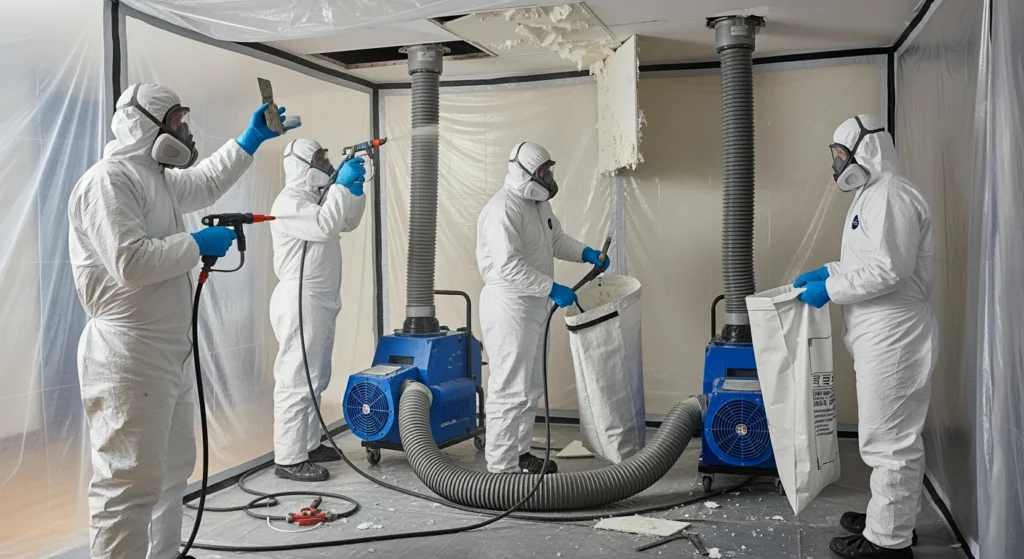
When you’re facing an asbestos problem, you might see many companies offering removal services. However, the two most important words you should always look for are “Licensed & Insured.” These aren’t just marketing buzzwords; they are your primary shield against health risks, legal trouble, and potential financial disaster. Hiring an unlicensed or underinsured contractor for […]
The Industrial Legacy: Tackling Commercial Asbestos in Long Island’s Factories

Long Island has a rich industrial history, from the steel mills that built our cities to the factories that powered our growth. However, this legacy has left a hidden danger lurking within the walls of many older commercial and industrial buildings: asbestos. The “Long Island Steel Co.” building is a stark reminder of an era […]
Licensed vs. Unlicensed: What’s at Risk in DIY Asbestos Removal?
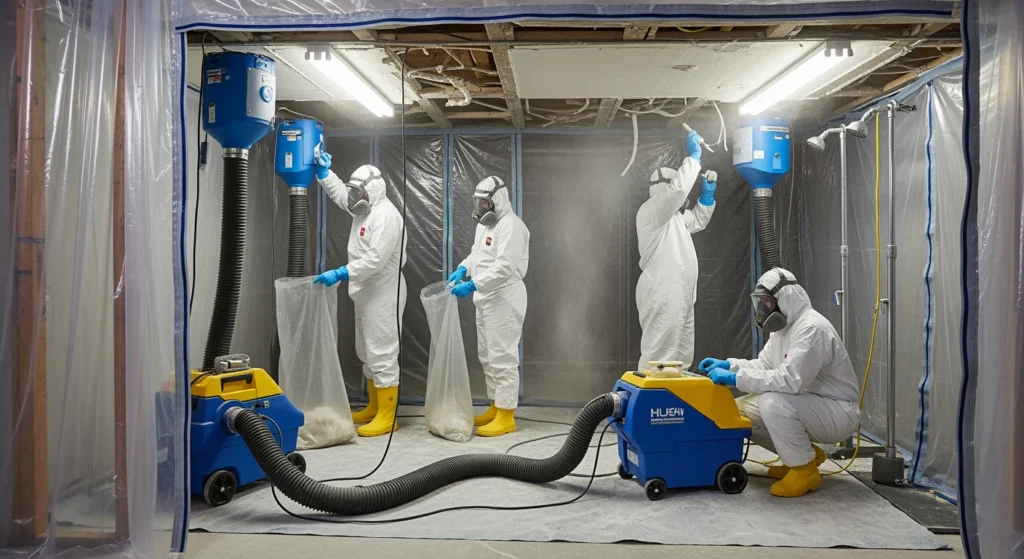
A Hidden Hazard Older Homes Can’t Ignore Many pre-1980 houses still hide asbestos in floor tile, pipe wrap, or joint compound. For older or health-sensitive residents, the temptation to “save money” by tackling it yourself can back-fire—financially, legally, and medically. Let’s unpack what’s really at stake when the work isn’t done by a licensed contractor. […]
What Makes an Asbestos Abatement Contractor Licensed in NY?
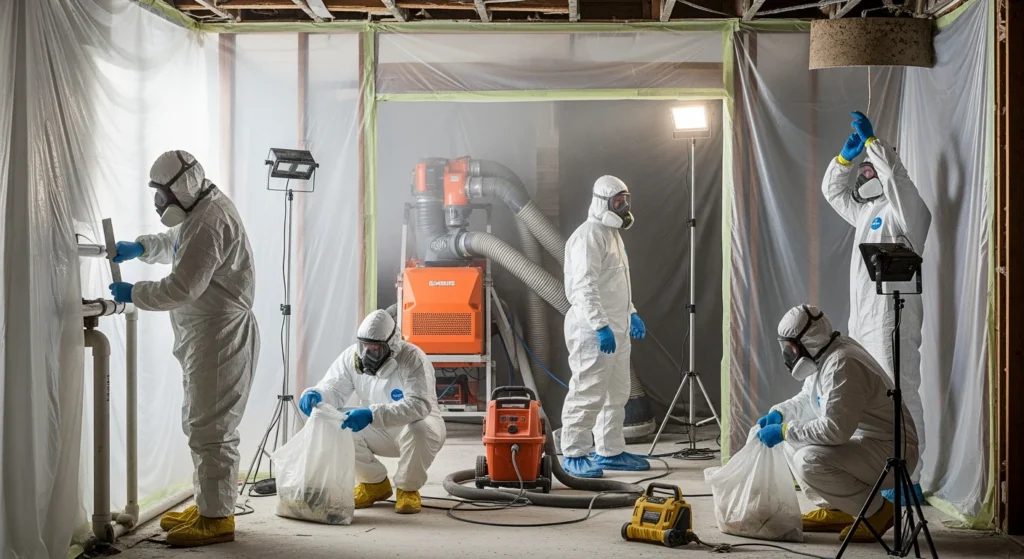
Why Licensing Details Matter to Insurance Pros If you insure or underwrite commercial property in New York, asbestos projects land on your desk sooner or later. Knowing the exact licensing boxes a contractor must tick protects policyholders from fines, medical claims, and coverage disputes—and it shields you from approving the wrong vendor. 1. NY State […]
What Are the Early Signs of Asbestos in Older Homes?
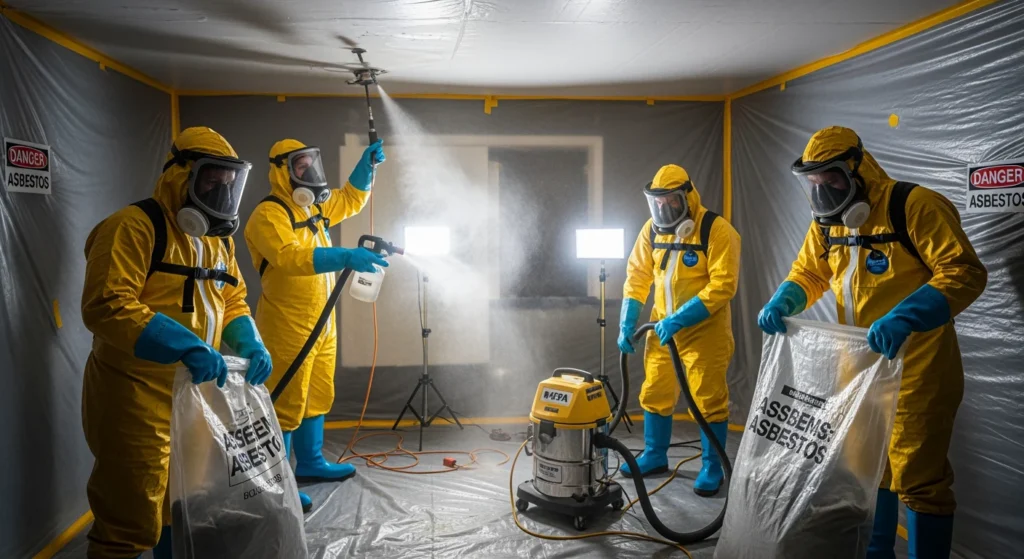
If your home was built before the 1980s, there’s a good chance it contains asbestos — a once-popular building material now known to pose serious health risks. But asbestos isn’t always obvious. It doesn’t have a smell. It doesn’t grow like mold. And often, it’s sealed away — until renovation, water damage, or deterioration bring […]
What Does Asbestos Look Like in Ceiling Tiles? Drop Ceiling, Acoustic & Panel Guide (2026)

How to identify asbestos in ceiling tiles — drop ceiling panels, suspended grid tiles, acoustic tiles, and the 9×9 rule. Visual indicators, NYC and Long Island regulations, testing guidance.
Asbestos Rules Changed in 2025—What Tri-State Building Owners Must Know
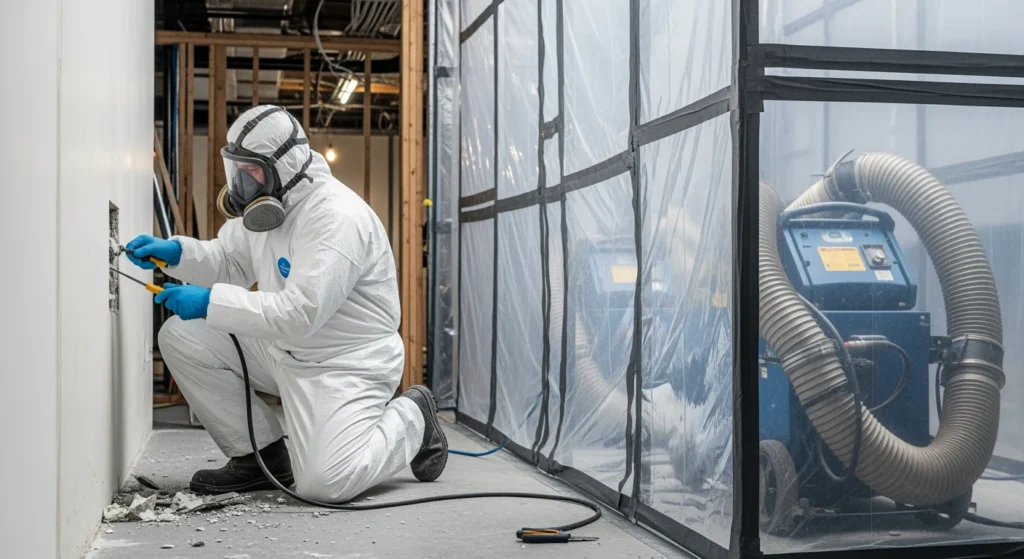
Asbestos Rules Changed in 2026—What Tri-State Building Owners Must Know If you manage or own property in New York, New Jersey, or Connecticut, 2026 has brought major changes to how asbestos is regulated, tested, and removed. Whether you’re planning renovations or responding to tenant complaints, understanding the new rules is essential to stay compliant — […]
Asbestos Removal in Historical Buildings: Upper Restoration’s Delicate Approach
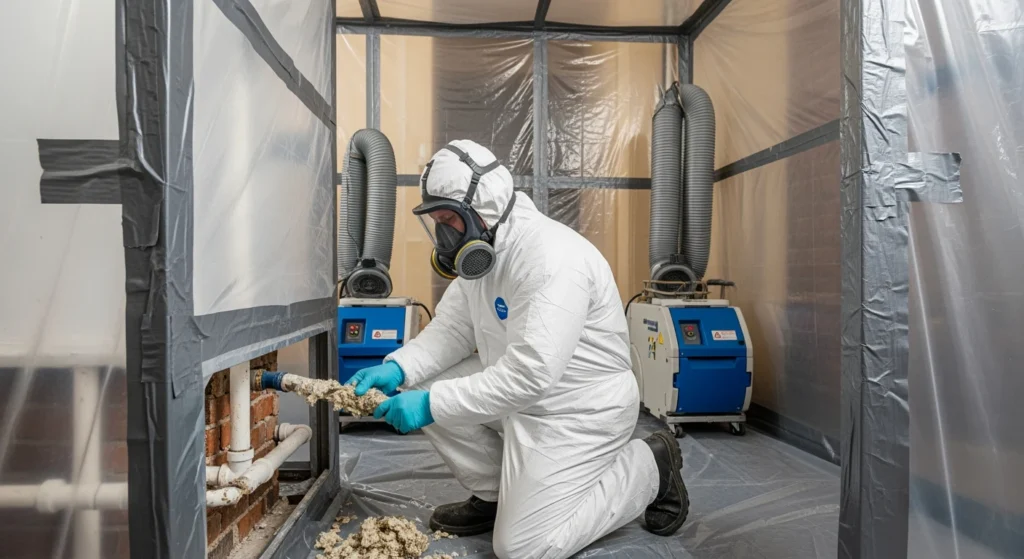
Historical buildings are treasures that offer a glimpse into our past, but they often harbor hidden dangers, particularly in the form of asbestos. This hazardous material, once widely used for its fire-resistant properties, poses significant health risks when disturbed. Removing asbestos from these architectural gems requires a delicate balance between preservation and safety. This article […]
