Signs of Hidden Water Damage: 12 Warning Signs Most Homeowners Miss
Water damage doesn’t always announce itself with visible puddles and flooded basements. In fact, the most destructive signs of water damage often hide behind walls, under flooring, and within your home’s structural systems. According to the Insurance Information Institute, water damage claims account for nearly one-third of all homeowners insurance claims, yet many homeowners don’t discover the damage until it’s already caused extensive harm.
Early detection of water damage is critical. The longer water sits hidden in your home, the more it compromises structural integrity and creates conditions for mold growth. This guide will help you identify 12 warning signs of hidden water damage that most homeowners miss—and when each sign requires immediate professional attention.
Understanding Hidden Water Damage
Hidden water damage occurs when water infiltrates areas you can’t easily see: behind drywall, under subflooring, in crawl spaces, and within walls. Unlike visible water stains or obvious flooding, hidden damage develops silently, sometimes for weeks or months before you notice any symptoms.
The danger is that water continues to cause damage even after it stops flowing. It weakens wood structures, corrodes metal connections, breaks down insulation, and creates the perfect environment for mold colonies to develop. By the time homeowners discover hidden water damage, they’re often facing thousands of dollars in repairs.
The 12 Warning Signs of Hidden Water Damage
1. Musty, Earthy Odors
Why it matters: A persistent musty smell is often the first indicator of hidden water damage. This odor comes from microbial growth and deteriorating building materials in damp areas.
Where to look: Notice the smell coming from crawl spaces, basements, bathrooms, or under kitchen sinks? Pay special attention to areas beneath bathrooms and around water heater locations.
When it’s urgent: If the musty smell is strong or pervasive throughout your home, water damage may already be extensive. Contact a professional within 24-48 hours.
2. Discoloration and Staining on Walls or Ceilings
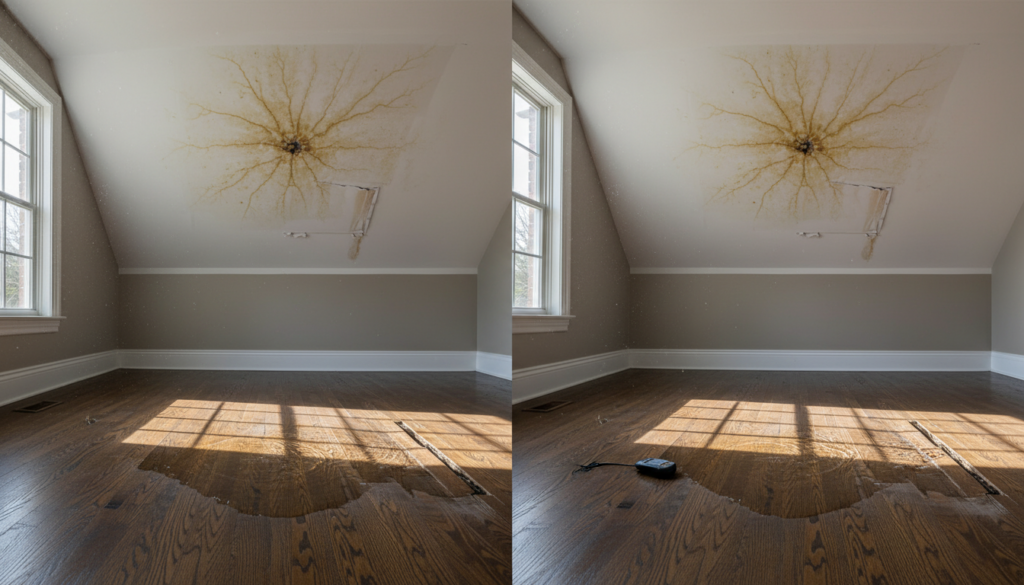
Why it matters: Brown, tan, or yellowish stains indicate water has seeped through materials. These stains expand over time as water wicks through walls and ceilings.
Where to look: Check exterior walls (particularly corners), basement walls below windows, ceiling areas near roof penetrations, and walls adjacent to plumbing.
When it’s urgent: Fresh stains with active moisture indicate ongoing leaks. Old, dried stains suggest past water events that may still pose hidden risks. Either way, professional inspection is recommended.
3. Warped or Buckled Flooring
Why it matters: Wood absorbs water and expands. When flooring warps, buckets, or develops a wave-like appearance, significant moisture has infiltrated the subfloor.
Where to look: Inspect hardwood and laminate flooring, particularly in kitchens, bathrooms, and areas with plumbing underneath. Walk across floors and feel for soft spots or areas that flex abnormally.
When it’s urgent: Warped flooring needs attention immediately. The subfloor beneath is likely compromised and may pose safety risks. If flooring feels soft or spongy, don’t delay calling professionals.
4. Peeling or Bubbling Paint and Wallpaper
Why it matters: Paint and wallpaper don’t peel without reason. Moisture from hidden water damage pushes paint away from the surface and causes wallpaper adhesive to fail.
Where to look: Check exterior walls, areas around windows and doors, basement walls, and walls adjacent to bathrooms. Look for paint that bubbles before peeling.
When it’s urgent: Recent bubbling or peeling indicates active moisture. If you notice this in multiple rooms or recurring in the same location, water damage is likely ongoing.
5. Sagging or Soft Drywall
Why it matters: Drywall loses structural integrity when saturated with water. Soft or spongy drywall indicates water has thoroughly infiltrated, and mold growth is likely developing inside the wall cavity.
Where to look: Press gently on walls, especially in bathrooms, laundry rooms, kitchens, and basements. Areas of concern feel soft, squishy, or concave.
When it’s urgent: Soft drywall is a critical warning sign. This is urgent—contact professionals immediately. The wall cavity behind the surface likely contains substantial moisture and may be developing mold.
6. Rapidly Increasing Water Bills
Why it matters: A spike in your water bill without obvious explanation often indicates a hidden leak in your plumbing. A small leak can waste 50+ gallons daily.
Where to look: Check your water meter. If it continues running when no fixtures are in use, you have a leak. Often these are in main water lines under foundation or walls.
When it’s urgent: A sudden, unexplained increase of 20%+ warrants investigation. Small leaks become massive water damage events quickly, particularly if they’re in structural areas.
7. Visible Mold Growth or Discoloration
Why it matters: Where you see mold, there’s significant moisture. Mold thrives in damp environments, so visible growth indicates water damage that’s been present for weeks or months.
Where to look: Bathrooms, kitchens, basements, crawl spaces, window sills, and areas with poor ventilation. Mold appears as black, green, white, or orange spots or patches.
When it’s urgent: Any visible mold growth is urgent. Don’t attempt to clean large mold areas yourself—this spreads spores and creates health hazards. Professional remediation is necessary.
8. Soft, Rotting Wood
Why it matters: Wood that feels soft, crumbly, or spongy indicates rot—the advanced stage of water damage where structural material breaks down at the cellular level.
Where to look: Check wood subfloors, floor joists (in basements/crawl spaces), window frames, door frames, and structural beams. Press with a screwdriver; it should resist penetration.
When it’s urgent: Rotting wood is a structural emergency. If you find soft wood, call professionals immediately. This poses safety risks and can lead to catastrophic structural failure.
9. Condensation or Moisture on Windows and Mirrors
Why it matters: Excess condensation indicates elevated indoor humidity levels, suggesting moisture is coming from hidden sources, not just shower steam.
Where to look: Notice condensation on windows and mirrors even when you haven’t been running hot water? Check for persistent condensation that doesn’t dry quickly.
When it’s urgent: Occasional condensation is normal, but persistent or widespread moisture suggests hidden water damage elevating home humidity. A humidity meter (under 50% is healthy) can confirm this.
10. Cracked or Bowing Basement Walls
Why it matters: Water pressure from outside (hydrostatic pressure) causes basement walls to bow inward or develop cracks. These cracks then allow water infiltration.
Where to look: Inspect basement walls closely for horizontal cracks, diagonal cracks, or visible bowing. Check corners where walls meet floors or other walls.
When it’s urgent: Any wall cracking needs professional assessment. Active water seeping through cracks requires immediate waterproofing and remediation.
11. Pest Infestations or Rodent Activity
Why it matters: Pests and rodents are attracted to moisture. An unexpected increase in insect or rodent activity often indicates hidden moisture problems attracting them.
Where to look: Notice more termites, roaches, ants, or mice? These seek out damp areas. Their presence is a secondary sign of hidden water damage.
When it’s urgent: Combined with other warning signs, pest activity suggests serious hidden moisture. Investigate the root cause—it’s often water damage creating ideal conditions.
12. Higher Humidity Levels and Allergy or Respiratory Symptoms
Why it matters: Hidden water damage increases indoor humidity and promotes mold and dust mite proliferation. You may notice symptoms before seeing damage.
Where to look: Are family members experiencing unexplained allergies, respiratory issues, or asthma flare-ups? This can indicate mold and moisture problems.
When it’s urgent: If these symptoms correlate with seasons or specific rooms, water damage and mold growth are likely. Professional inspection and remediation can resolve both the damage and health impacts.
Where to Look for Hidden Water Damage
High-Risk Areas in Your Home
- Basements and crawl spaces: Ground-level vulnerability to groundwater and hydrostatic pressure
- Bathrooms: High moisture areas with extensive plumbing; check under vanities and around toilets
- Kitchens: Plumbing runs extensively; check under sinks, around dishwashers, and near refrigerator water lines
- Attics: Roof leaks are common; check rafters, insulation, and ceiling joists
- Around windows and doors: Weather seals fail; water infiltrates around frames
- HVAC system locations: Condensation lines and humidifiers leak; check furnace areas
- Water heater areas: Tank leaks and burst lines cause significant hidden damage
- Laundry rooms: Washing machine hoses burst; check behind and under machines
DIY Water Damage Inspection Tips
Visual Inspection Checklist
- Schedule it: Conduct inspections regularly, especially after heavy rain, snow melt, or cold snaps
- Look for discoloration: Scan all visible surfaces for brown, tan, or yellowish stains
- Feel for soft spots: Gently press on floors and walls; they should feel firm and solid
- Check the smell: A musty odor often indicates moisture before visible signs appear
- Examine sealants: Check caulking around windows, doors, and plumbing penetrations
- Inspect foundation: Look for water stains on basement walls and floors
- Monitor humidity: Use an inexpensive humidity meter; maintain 30-50% humidity
- Test your water meter: Close all water fixtures; meter should stop. If it continues, you have a leak
When DIY Inspection Isn’t Enough
While visual inspection helps catch obvious signs, professional assessment with moisture detection equipment is essential for confirming hidden damage. Professionals use:
- Moisture meters: Detect water in walls, floors, and materials before visible damage
- Thermal imaging cameras: Identify temperature variations indicating moisture behind surfaces
- Humidity meters: Measure precise humidity levels indicating moisture sources
- Borescopes: Visual inspection inside wall cavities and hidden spaces
- Water line tracing: Pinpoint exact leak locations in plumbing systems
When to Call Water Damage Professionals
Contact restoration professionals immediately if you notice:
- Any visible water intrusion or active leaks
- Soft, rotting, or crumbly wood
- Any visible mold growth or strong musty odors
- Multiple warning signs from this list
- Unexplained spikes in water bills
- Sudden onset of structural issues (bowing walls, cracks, sagging)
- Previous water events you want professionally assessed
The faster water damage is identified and addressed, the less extensive repairs will be and the lower your final costs. IICRC-certified professionals follow industry standards to ensure proper water removal and structural drying within critical timeframes.
Preventing Hidden Water Damage
While detection is important, prevention is your best defense against hidden water damage:
- Maintain gutters and downspouts: Keep them clean and ensure water directs away from the foundation
- Grade soil properly: Ensure ground slopes away from your home’s foundation
- Inspect and replace weatherstripping: Around windows and doors
- Check caulking: Around tubs, showers, and sink areas; replace annually
- Service your HVAC system: Ensure condensation lines drain properly and filters stay clean
- Monitor plumbing: Inspect visible pipes for corrosion, pinhole leaks, or signs of damage
- Test backflow preventers: Especially important in flood-prone areas
- Install sump pumps: Particularly valuable in basements with water history
- Consider water detection systems: Smart sensors alert you to moisture in high-risk areas
Frequently Asked Questions
How can I tell if water damage is old or recent?
Old water stains are typically brown or tan and feel completely dry. Recent water damage often feels slightly damp, shows brighter discoloration, and may have active seepage. A moisture meter will definitively show moisture levels—recent damage registers higher readings.
Can hidden water damage resolve on its own?
No. Water damage that sits untreated will worsen. Even if water stops entering, moisture trapped in walls and materials continues causing damage: wood rot accelerates, structural integrity weakens, and mold growth spreads. Professional drying is necessary.
How long can water damage go undetected?
Hidden water damage can progress for weeks or months before visible signs emerge. By that point, significant structural damage and mold growth have occurred. This is why early detection through regular inspections is so valuable.
Will homeowners insurance cover hidden water damage?
Coverage depends on the cause. Sudden, accidental water events (burst pipes, storms) are typically covered. Gradual leaks from poor maintenance are usually not. Review your specific policy and report incidents promptly.
What’s the most common location for hidden water damage?
Basements are most common, particularly in homes with poor drainage or foundation cracks. However, hidden damage also frequently occurs within walls around bathrooms and kitchens where plumbing runs extensively.
Can I remediate hidden water damage myself?
Small, freshly discovered water issues might be manageable if water hasn’t infiltrated structural materials or created mold. However, hidden damage often involves wall cavities and structural areas requiring professional extraction and drying equipment. When in doubt, call professionals.
How much does professional hidden water damage assessment cost?
Initial inspections typically range from $200-$500, depending on home size and complexity. Some companies waive this fee if you proceed with their remediation services. This investment is worthwhile compared to thousands in undetected damage repairs.
Conclusion: Don’t Let Hidden Water Damage Spread
The signs of hidden water damage are often subtle—a musty smell here, a soft wall section there—but each one deserves attention. The longer you wait to investigate and address water damage, the more expensive repairs become and the greater the health risks from mold growth.
Regular inspections, immediate attention to warning signs, and professional assessment when you’re unsure are your best protection. If you’ve noticed any of these 12 warning signs in your Long Island, NYC, or tri-state area home, don’t wait for the damage to worsen.
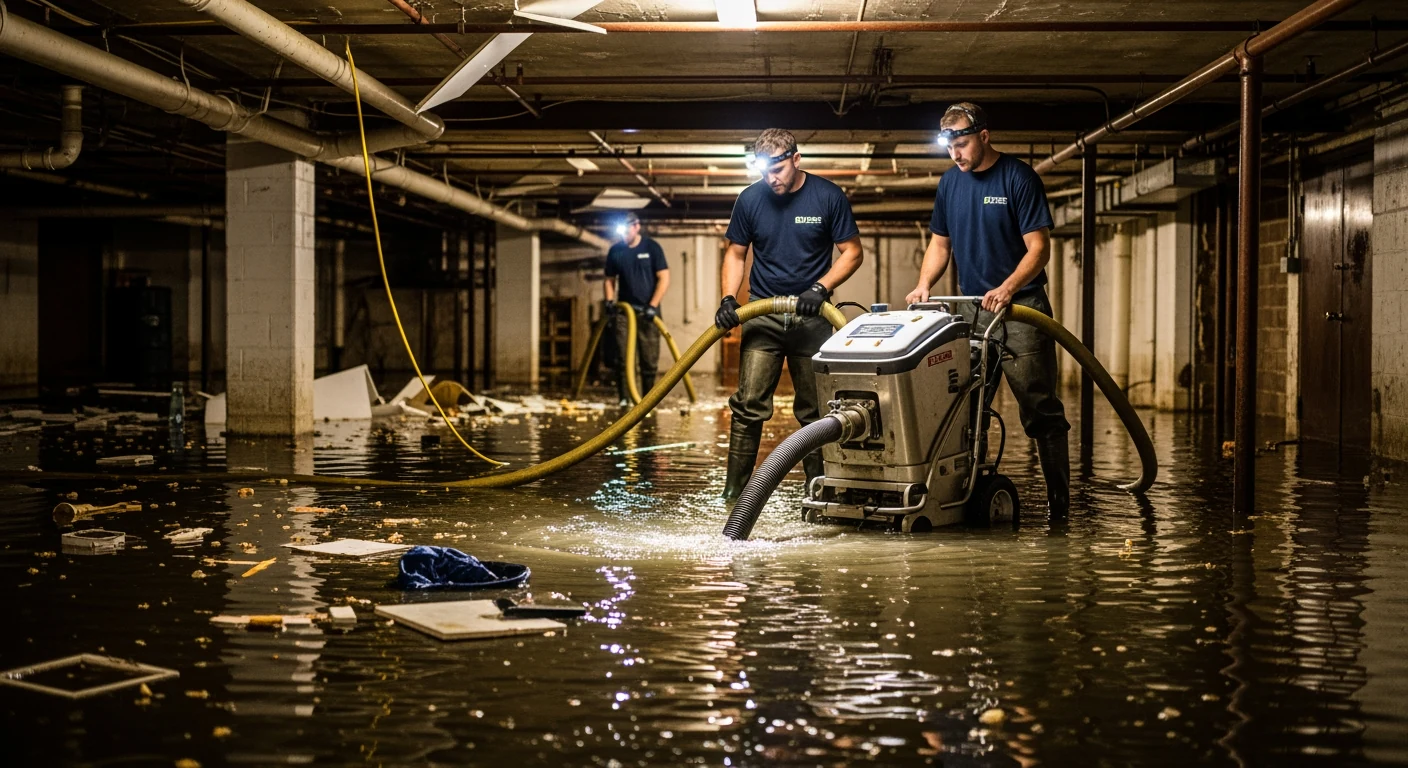
Upper Restoration offers 24/7 emergency water damage assessment and remediation services throughout Long Island, all five boroughs of NYC, and the surrounding tri-state area. Our IICRC-certified team uses advanced moisture detection equipment to identify hidden damage, extract water, and dry your home according to industry standards—all to prevent further damage and mold growth.
Contact us today for a professional inspection and to discuss your water damage concerns. Call now or visit upperrestoration.com to learn more about our emergency restoration services.
About Upper Restoration
Upper Restoration is a full-service property restoration company serving New York City and Long Island. Licensed by the NYC Department of Labor for mold remediation and the NYC Department of Environmental Protection for asbestos abatement, Upper Restoration provides 24/7 emergency response for water damage, fire damage, mold contamination, asbestos hazards, and storm damage. Our IICRC-certified technicians serve all five NYC boroughs — Manhattan, Brooklyn, Queens, the Bronx, and Staten Island — as well as Nassau County and Suffolk County communities across Long Island.