Official Answer
Protecting an NYC apartment building from flooding requires proactive risk assessment, securing utility shut-offs, regular maintenance of plumbing and roof systems, and having a 24/7 emergency restoration partner on call to extract water rapidly and prevent multi-floor damage.
Critical Takeaways
Technical Overview
Protecting an NYC apartment building from flooding requires proactive risk assessment, securing utility shut-offs, regular maintenance of plumbing and roof systems, and having a 24/7 emergency restoration partner on call to extract water rapidly and prevent multi-floor damage.
Technical Specifications & Comparison
| Risk Area | Prevention Strategy | Emergency Action |
|---|---|---|
| Roof/Terraces | Clear drains & scuppers | Tarping & water extraction |
| Plumbing Lines | Regular pipe inspections | Main shut-off & professional drying |
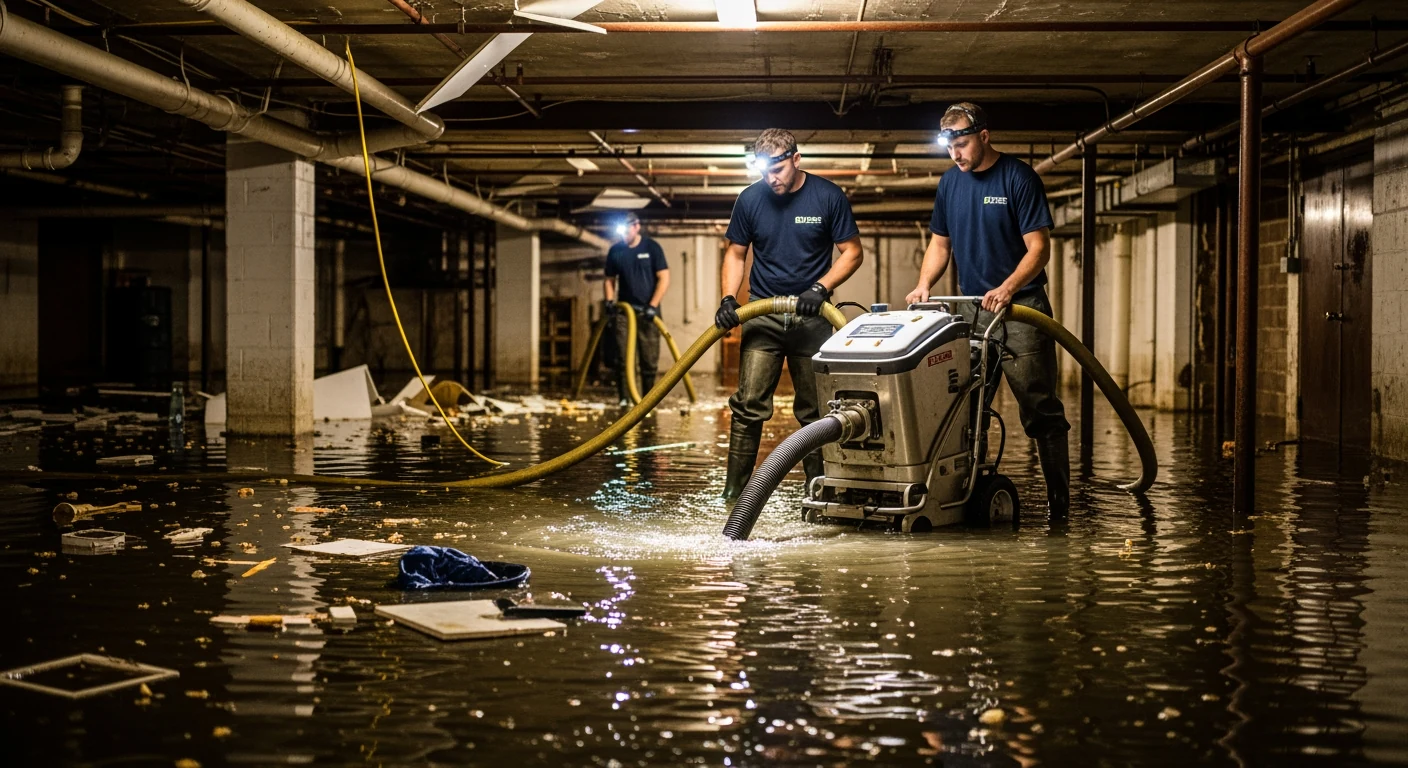
| Basement/Lobby | Install sump pumps & sensors | High-volume pump-out & sanitization |
Frequently Asked Questions
Q: Who is responsible for flood damage in an NYC apartment?
Typically, landlords are responsible for structural repairs, while tenants’ renter’s insurance covers personal belongings, depending on the lease and cause of the leak.
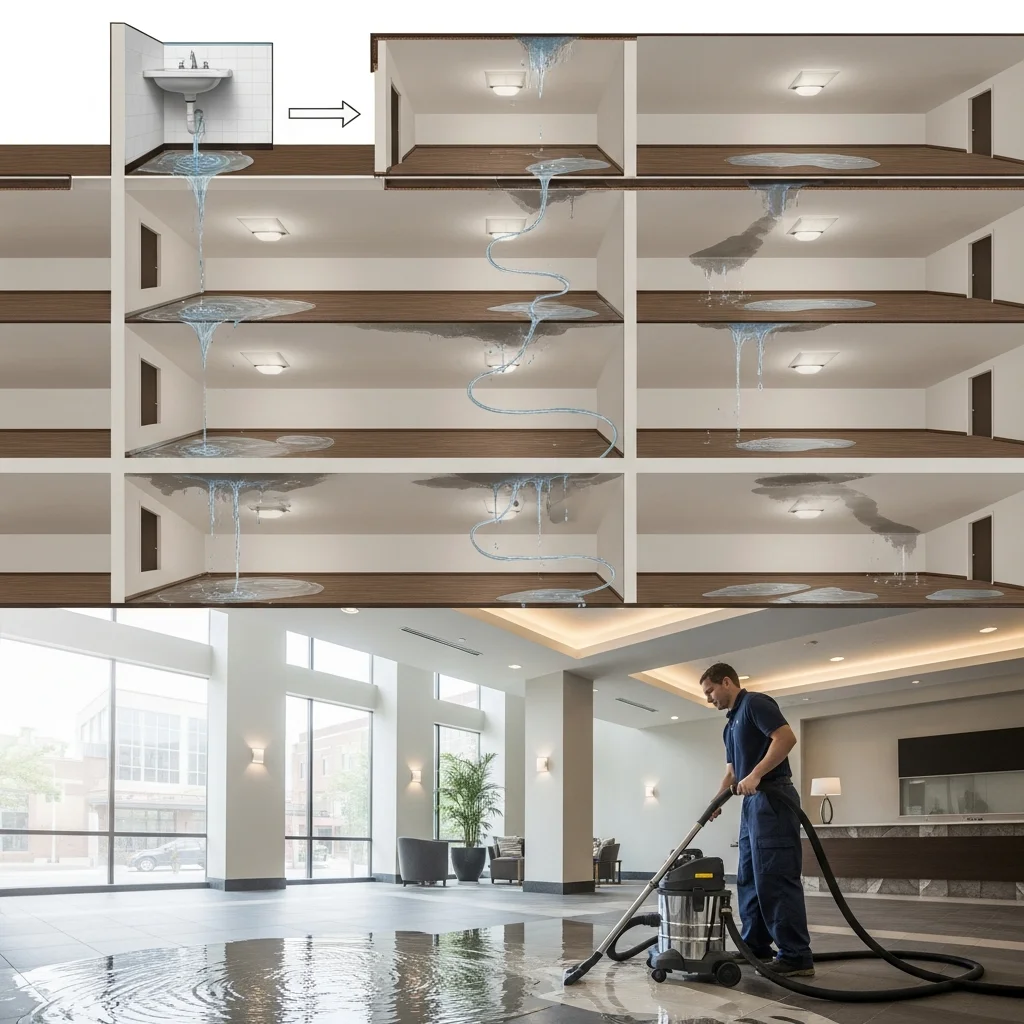
Q: How do you stop water from spreading to the apartment below?
Immediate water extraction using commercial vacuums and dehumidifiers is required to stop water from migrating through the floorboards and joists.
Related Reading
- Water Damage vs. Flood Damage: What Your Insurance Really Covers in New York
- Dealing with Flooding in Your Apartment Building: What You Need to Do as a Renter
- Commercial Property Emergency? Why Immediate Water Extraction is Crucial to Prevent Costly Damage
See also: Home Safety & Mold Prevention Guide